Protests17 November, 20253 min read
Bangladesh War Crimes Tribunal Sentences Ousted Prime Minister Sheikh Hasina to Death for Crimes Against Humanity in Student Uprising Crackdown
Bangladesh's International Crimes Tribunal sentenced Sheikh Hasina to death for crimes against humanity. Court found she ordered lethal force during July–August 2024 student uprising, killing about 1,400.
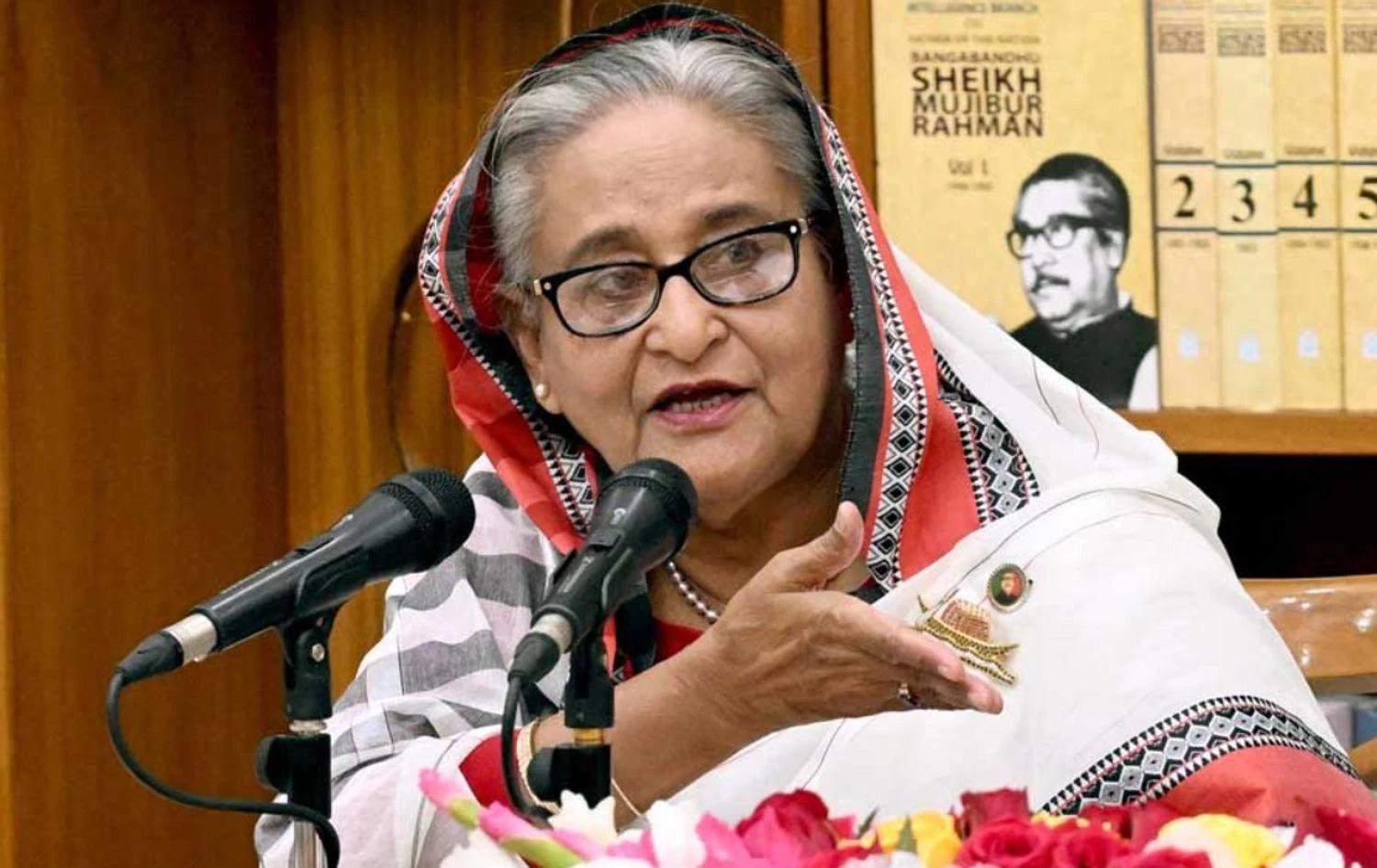
58 outlets told this the same way.
Outlets did split on France Suspends Police Stun Grenades at High School Protests After 15-Year-Old Loses Hand →
Bangladesh tribunal verdict
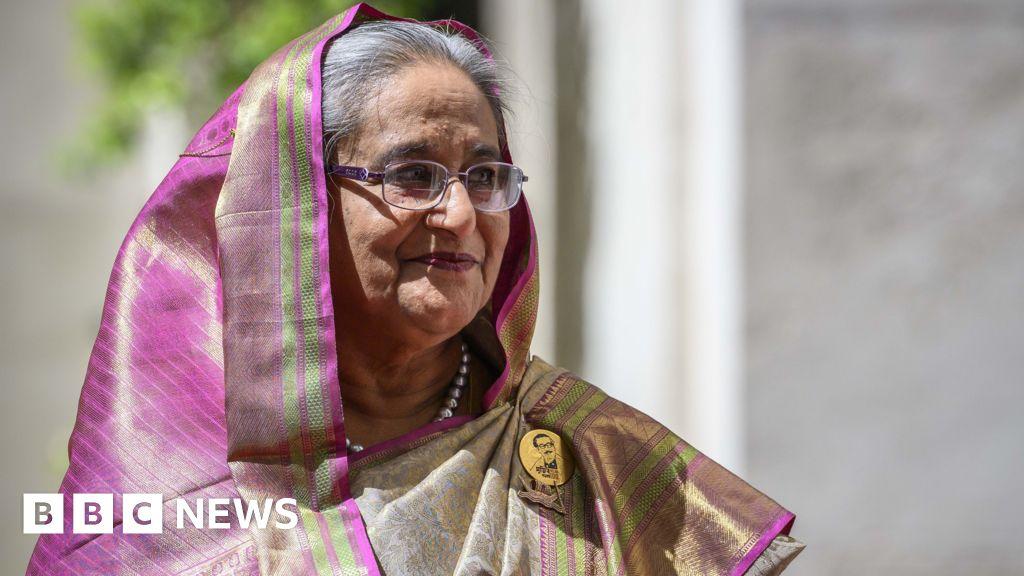
On 17 November 2025, Bangladesh’s International Crimes Tribunal (ICT‑BD) convicted ousted prime minister Sheikh Hasina in absentia and sentenced her to death for crimes against humanity over a July–August 2024 crackdown on a student‑led uprising. The verdict was delivered by a three‑judge panel, broadcast live, and occurred amid heavy courtroom security and cheering. Reports say co‑accused former home and interior minister Asaduzzaman Khan Kamal was also handed the death penalty.
“Bangladesh’s International Crimes Tribunal has convicted former prime minister Sheikh Hasina in absentia of crimes against humanity for ordering a deadly crackdown on student‑led anti‑government protests in 2024 and sentenced her to death.”
A former police chief pleaded guilty, became a state witness, and received a five‑year term, while some outlets additionally reported life terms alongside the death sentences. The tribunal’s verdict came against the backdrop of a UN fact‑finding estimate that up to about 1,400 people were killed in the unrest. The ruling arrives during an interim government led by Nobel laureate Muhammad Yunus, which is preparing for elections early next year.
Charges and trial overview
Tribunal prosecutors tied five formal charges to what they described as a coordinated, systematic campaign of violence against protesters, alleging incitement, ordering killings, authorising drones and helicopters, and failing to restrain security forces, and they read months of evidence in hearings that lasted into October. Multiple outlets cite alleged recordings and prosecution exhibits that they say show orders to use aerial and lethal force; the UN and prosecutors say the repression left a very high death toll, while defence lawyers and some commentators dispute documentary proof of direct orders. Coverage also stresses that the trial was held largely in absentia for Hasina and the former interior minister, with only the ex-police chief present as a cooperating witness.
Hasina exile and extradition
Hasina fled to India in August 2024 and has been living in self-imposed exile in New Delhi. She rejected the proceedings as politically motivated and called the tribunal 'rigged' or a 'kangaroo court'. She objected to being represented by a state-appointed lawyer, a point many outlets emphasised when noting she did not attend.
“Hasina and Khan were tried in absentia after fleeing to India; they denounced the tribunal as a ‘kangaroo court’ and objected to being represented by a state-appointed lawyer.”
Dhaka has sought her extradition and summoned India’s envoy. New Delhi has 'noted' the verdict and said it will engage constructively but has not indicated it will hand her over. Some reporting (Firstpost, Morocco World News) suggests analysts think India is unlikely to extradite Hasina.
Security response and unrest
The ruling triggered immediate security measures and unrest. Authorities bolstered deployment of security forces, armoured vehicles and paramilitary units around Dhaka and other cities. Reports described crude-bomb explosions, vehicle torchings and arson that in some accounts killed people.
Local authorities used crowd-control measures including tear gas and, according to some outlets, issued a police 'shoot-on-sight' order against those setting off explosives or torching vehicles. The interim administration has banned Awami League activity and called for calm, while supporters announced nationwide shutdowns and warned of election disruption.

Political and legal fallout
Observers, rights groups and commentators warn the verdict could deepen political polarisation and complicate regional diplomacy. Some victims’ families welcomed the conviction as a form of accountability. International monitors and many media outlets raised fair-trial and due-process concerns about in-absentia proceedings and the use of state-appointed defence counsel.
“Families of victims welcomed the ruling and called for harsh punishment, but rights groups and observers warned the verdict is unlikely to heal deep political divisions, noting the Awami League and Hasina have not apologised.”
Others stressed the tribunal’s rapid reconstitution under the interim government and prosecutors’ framing of the case as crimes against humanity. The decision’s legal path remains open, and appeals to the Supreme Court are possible. Its immediate political impact includes a ban on the Awami League and a heightened risk of election disruption in February 2026.