Syria24 November, 20253 min read
Bani Khaled Tribe Attacks Alawi Neighborhoods in Homs, Sparking Sectarian Violence
This article is an automated aggregation of coverage from news outlets. Our editorials offer in-depth analysis curated by the NewsCord team.
Bani Khalid couple murdered in Zaidal; wife burned and sectarian graffiti left at the scene Violence spread to Alawite neighborhoods, with arson, shootings and kidnappings by Bedouin assailants

6 outlets told this the same way.
Outlets did split on Asad Al-Shaibani Meets Saddam Haftar in Benghazi Over Syrian Consulate And Missing Syrians →
Zaydal sectarian violence
Violence erupted in and around the town of Zaydal, east of Homs, after the reported killing of a couple connected to the Bani Khalid tribe. Multiple sources described arson, shootings and attacks on Alawi-majority neighbourhoods. Harici reported that violence followed the discovery of sectarian slogans at the scene, and said assailants set homes on fire, destroyed vehicles, opened fire and carried out kidnappings, leaving dozens dead and injured.
“Violence erupted in the town of Zaydal after a couple from the Bani Khalid tribe was murdered and sectarian slogans were found at the scene. Clashes spread to other neighborhoods; assailants reportedly from Bedouin tribes set homes on fire, destroyed vehicles, opened fire and carried out kidnappings, leaving dozens dead and injured.”
Middle East Eye said state media SANA reported the man was stoned and his wife burned, with alleged sectarian slogans scrawled at the scene. The UK-based Syrian Observatory for Human Rights told Middle East Eye that armed men from the Bani Khalid tribe attacked Alawi-majority neighbourhoods.

AL-Monitor likewise reported armed members of the Bani Khalid tribe attacked Alawite-majority neighborhoods, burning property, firing on homes and shops and prompting random gunfire. The National said authorities extended a 12-hour curfew for a second day after arson and attacks on Alawite neighbourhoods, reportedly carried out by Bedouin tribesmen angered by the couple's killing.
Widespread attacks and casualties
Reports across sources describe widespread arson, indiscriminate shooting and at least dozens of casualties and injuries, though exact tolls vary. Harici’s account says the attacks left dozens dead and injured, while AL-Monitor reports health officials reported at least 18 wounded and the Supreme Alawite Islamic Council reported two deaths.
The National cites a state health official saying random gunfire wounded 18 people, and residents described overnight gunfire and explosions, especially in the Muhajireen district. Middle East Eye reports attackers burning homes and cars and firing indiscriminately, and notes social media footage that appears to show tribesmen setting houses ablaze and plainclothed security forces helping Alawi residents evacuate.

Security response and claims
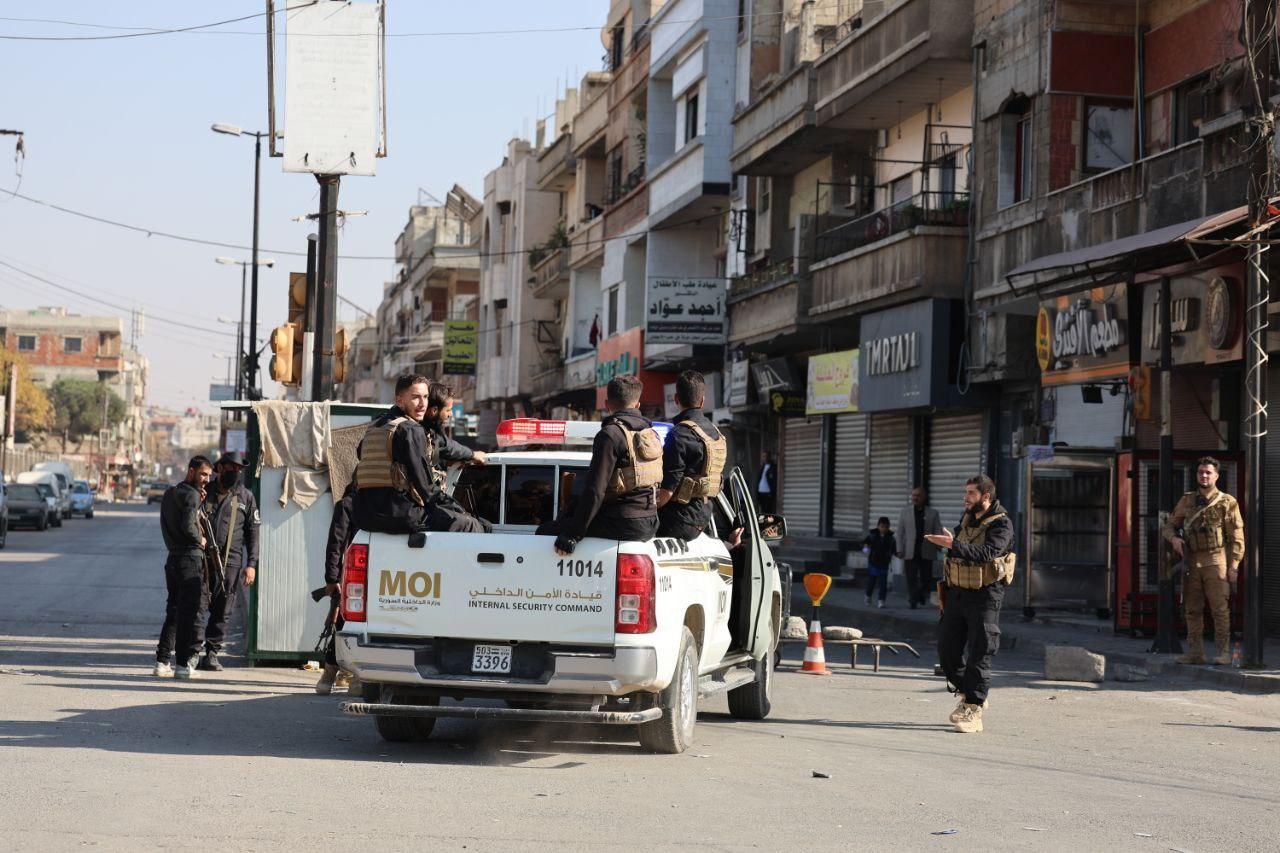
Authorities imposed curfews, deployed security forces and promised investigations, but official statements and local reporting differ on motive and responsibility. Harici reports a security source on the HTS-controlled al-Ikhbariya channel said order has been restored, residents cooperated with deployed security units, and authorities have launched a comprehensive investigation. He also notes the governor's office imposed a ban and curfew on multiple districts.
“A security source speaking to the HTS-controlled al‑Ikhbariya channel said order has been restored, residents cooperated with deployed security units, and authorities have launched a comprehensive investigation.”
The National says authorities extended a 12-hour curfew for a second day and alleges pro-government social media videos show plainclothes security personnel helping evacuate Alawite residents after buildings were set on fire. Middle East Eye records that the interior ministry urged calm and said there was no material evidence of a sectarian motive. The National and AL-Monitor echoed that language, reporting the Interior Ministry said there was no physical evidence the murder was sectarian.
Media framing of Syrian violence
AL-Monitor situates the incident amid a documented surge in communal and sectarian violence across Syria. It notes SOHR records at least 381 revenge killings in Homs this year, 240 of them identified as sectarian, and recounts earlier deadly clashes in Latakia, Tartous and Suwayda. Harici foregrounds immediate official action and investigation, reporting the imposition of a curfew and a security source's claim that order was restored.
Middle East Eye stresses the sectarian dimension and highlights graphic allegations from SANA and SOHR. The National balances reporting of attacks with the Interior Ministry's caution that there is 'no material evidence' the murder was sectarian. These different emphases shape distinct narratives: AL-Monitor frames the episode as part of a wider pattern of sectarian revenge; Harici amplifies security-state reassurances; Middle East Eye emphasizes on-the-ground sectarian targeting and brutality; and The National underscores official uncertainty and local disorder.
Zaydal incident reporting
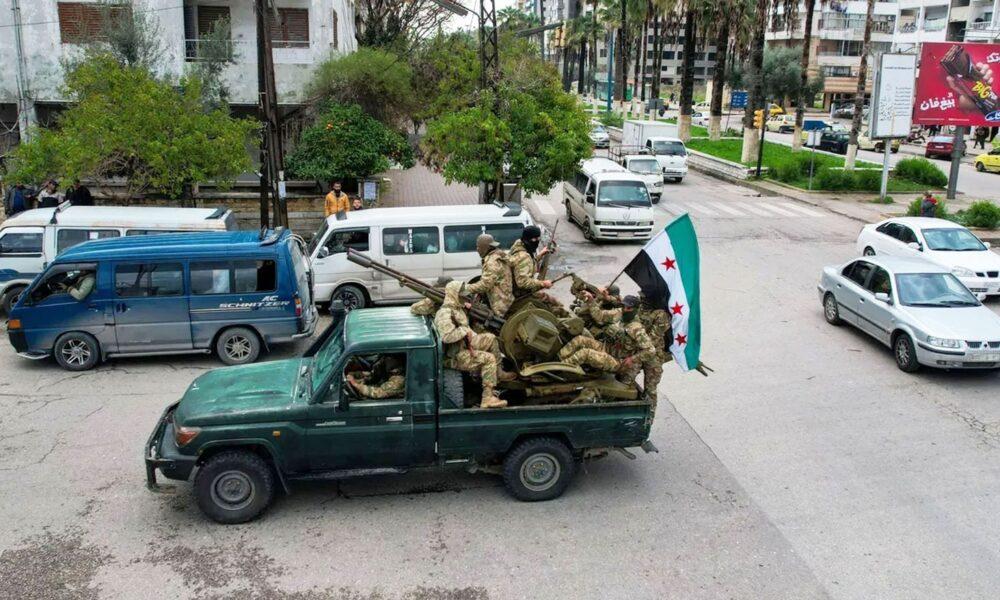
The incident in Zaydal has been reported consistently as a flashpoint of sectarianized violence involving members of the Bani Khalid tribe and Alawi neighbourhoods in Homs, with curfews, evacuations and investigations following. Key uncertainties and differences remain across accounts. Graphic details of the killings appear in some reports, with Middle East Eye relaying SANA.
“Social media footage appeared to show tribesmen setting houses ablaze and plainclothed security forces helping Alawi residents evacuate. Authorities imposed a curfew, later extended to Monday evening, and by 16:00 GMT Monday SANA reported the violence had subsided.”
Casualty totals vary, with Harici reporting "dozens dead and injured" while official counts cited by The National and AL-Monitor note 18 wounded. Officials repeatedly state there is "no material or physical evidence" the murder was sectarian even as others document revenge attacks and sectarian targeting. Readers should note the coexistence of official reassurances, local footage and human-rights-style tallies in the coverage, which are all invoked by different sources.