Full Analysis Summary
UK inflation January change
UK annual inflation eased to 3.0% in January, down from 3.4% in December and the lowest rate since March 2025.
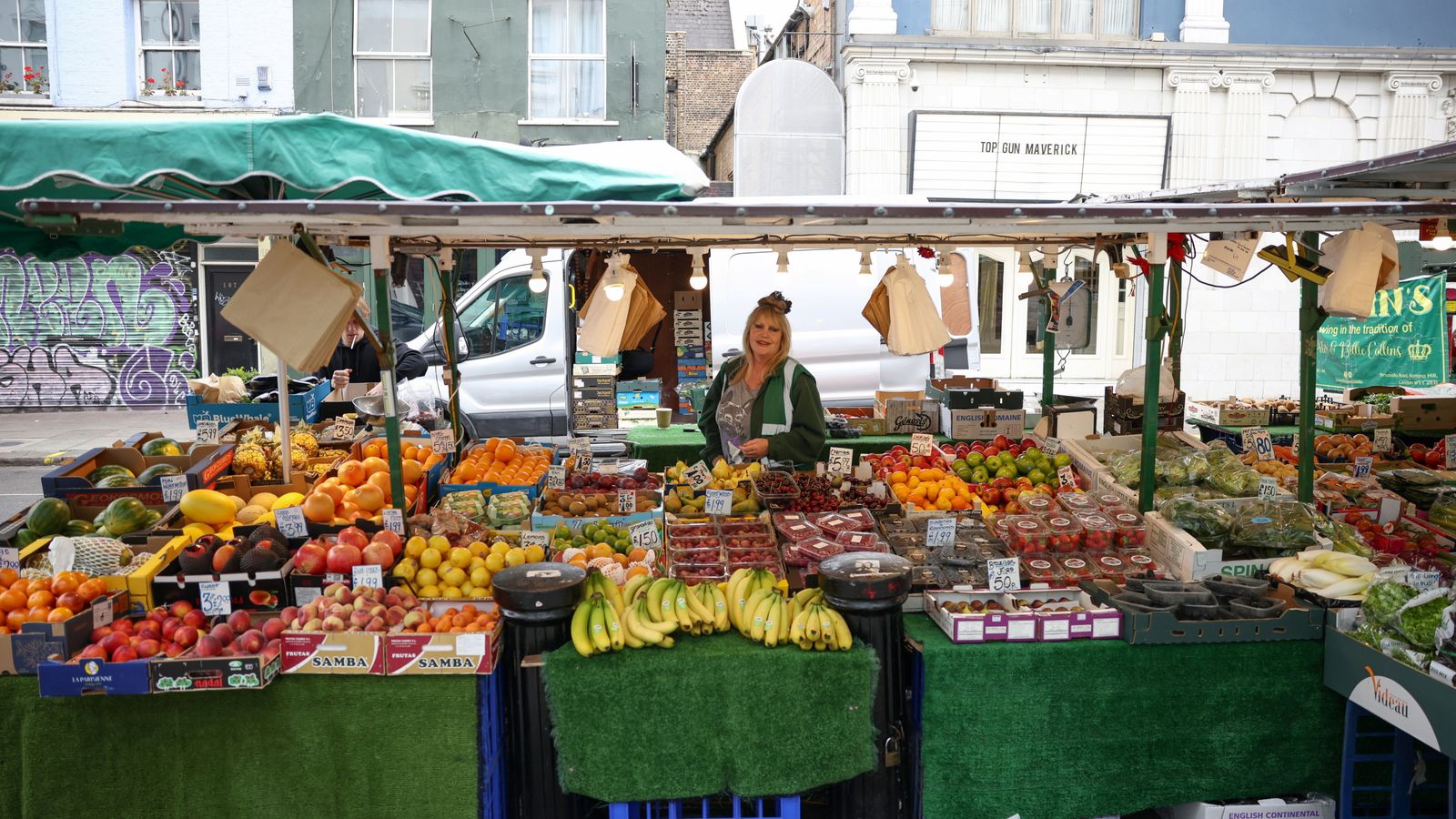
The decline was driven largely by cheaper petrol, lower airfares and falls in some food items such as bread, cereals and meat, while higher costs for hotels and takeaways partly offset the drop.
The Office for National Statistics framing that this is prices "rising more slowly, not actual price falls" was emphasised by ONS chief economist Grant Fitzner in coverage of the numbers.
Analysts link the headline drop to oil-price falls in December and lower wholesale gas that will interact with planned government energy measures from April.
Coverage Differences
Tone
All three sources report the same headline drivers (petrol, airfares, food), but they differ in emphasis: Scottish Financial News highlights the March-2025 comparison and a nine-month low in food inflation; the BBC stresses the ONS framing that prices are rising more slowly and adds detail on political reaction and the energy-cap estimate; Sky News foregrounds oil-price lows as the main petrol driver and stresses analysts' longer-term inflation expectations.
Bank Rate cut outlook
Weaker inflation readings and slower wage growth have sharpened market expectations that the Bank of England (current Bank Rate 3.75%) may begin cutting rates as soon as its March meeting.
Some forecasters put the odds of a March cut at around 80%.
Analysts such as KPMG project multiple cuts this year that could take the Bank Rate toward about 3% by the end of 2026.
However, commentators and forecasting firms remain split.
Some see a clear path to early easing if the labour market softens.
Others warn the Bank will wait until core services inflation and jobs data show sustained easing.
Coverage Differences
Narrative Framing
BBC frames the weaker inflation plus slower wages as increasing the odds of a March cut and cites an ~80% market probability; Scottish Financial News presents a debate among economists with named forecasters both expecting and cautioning on timing; Sky News cautions that a second cut is "far from certain" because services inflation remains high, underlining disagreement on near-term certainty.
Services inflation outlook
Analysts disagree over how persistent services and core services inflation will be.
Sky News flags services inflation at 4.4% as a major constraint on easing.
Scottish Financial News and the BBC note that core services inflation is a focus for the Bank and that some forecasters warn the signal on timing 'is not yet clear.'
The labour market and wage growth data are pivotal.
If the jobs market weakens, forecasters such as KPMG and RSM say further cuts become more likely, but if services inflation remains elevated the Bank could hold fire.
Coverage Differences
Contradiction
Sky News emphasizes the stubborn 4.4% services inflation as evidence that further cuts are 'far from certain'; Scottish Financial News reports both views, quoting economists who expect a March cut if the labour market weakens while also citing EY ITEM Club's caution that core services rose; the BBC highlights slower wage growth and government energy measures as reasons markets see cuts sooner. Each source is reporting others' forecasts or the BoE's preferred measure rather than asserting a single 'truth.'
Inflation and rate forecasts
Several forecasters cited across the outlets expect headline inflation to continue drifting toward the Bank's target over the coming months, with many projecting rates around 2% by April and the possibility of multiple Bank Rate cuts this year.
KPMG is cited by both the BBC and Scottish Financial News as expecting three cuts leaving rates near 3% by end-2026.
RSM is reported by Sky to treat a third cut as a downside risk rather than the base case, underscoring divergence on policy path and timing.
Coverage Differences
Unique Coverage
BBC and Scottish Financial News both quote KPMG's view of three cuts and a 3% year‑end 2026 rate; Sky News includes RSM's more cautious framing that a third cut is a downside risk and highlights the Bank's own view that April inflation may be 'around' 2%. The outlets therefore align on a medium-term descent in inflation but offer different degrees of confidence in the scale and timing of cuts.
Reactions to inflation data
The BBC reports a split in political responses, with Chancellor Rachel Reeves welcoming the fall while Conservatives blamed Labour for inflation remaining above target.
Scottish Financial News records consumer caveats that easing inflation means prices are "rising more slowly, not falling."
Analysts caution that the headline improvement does not eliminate risks — services inflation, labour market strength and energy prices will shape whether the Bank acts in March or waits for clearer evidence.
Coverage Differences
Narrative Framing
BBC provides explicit political reaction and an estimate from Cornwall Insight on the energy-cap fall; Scottish Financial News foregrounds consumer perspectives and expert debate on timing; Sky News stresses analyst expectations that inflation could fall toward ~2% but frames the third cut as conditional. Each source therefore presents a different balance between politics, consumer experience and technical forecasting.