
Bank of England Reconsiders Stablecoin Caps After Crypto Firm Pushback, Sarah Breeden Says
Key Takeaways
- BoE to soften proposed stablecoin ownership caps amid industry pushback.
- BoE will treat stablecoins as a new form of money and open issuer applications.
- Deputy Governor Sarah Breeden says BoE is reviewing the regime and may ease rules.
BoE eases stablecoin caps
The Bank of England is reconsidering parts of its proposed stablecoin framework after pushback from crypto firms, with Deputy Governor Sarah Breeden saying the central bank is exploring “softer alternatives” to earlier restrictions on holdings and reserve requirements.
“The Bank of England is softening its stablecoin rules after industry pushback, while the UK markets watchdog is making pound-linked stablecoin payments a key 2026 goal”
The original proposal, introduced in late 2025, would have capped stablecoin holdings at £20,000 for individuals and £10 million for businesses, and required systemic stablecoin issuers to hold around 40% of reserves in non-interest-bearing accounts at the Bank of England.
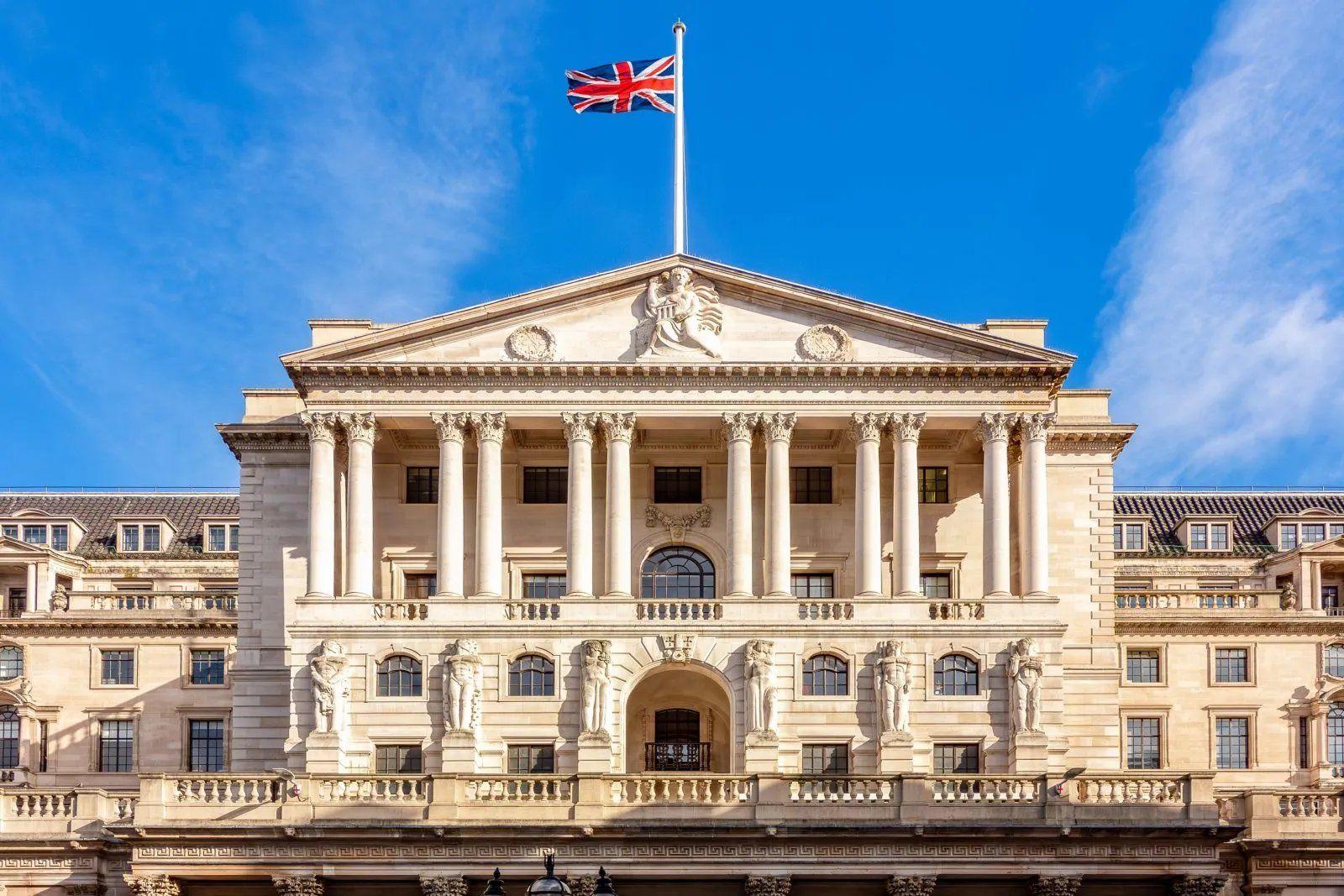
Breeden said the BoE is now weighing a “less prescriptive” approach aimed at balancing financial stability with competitiveness in digital payments, while also considering broader use of UK government bonds in reserve portfolios.
The DailyCoin report also said sterling-backed stablecoins still account for less than 0.5% of the global $318 billion market, even as policymakers see potential long-term use in payments and settlement systems.
Breeden cites operational burden
In comments relayed by The Crypto Times, Breeden said the BoE is preparing to soften parts of its proposed stablecoin framework after feedback suggested the measures may have been “overly conservative.”
Breeden told the Financial Times that “We are keen to create a regime where stablecoins can succeed and can deliver benefits to users,” while also saying “it is money, and we want to make sure that this new form of money is safe.”

The Crypto Times also said one proposal under review is the BoE’s planned ownership limits, including a £20,000 cap for individuals and a £10 million cap for businesses, designed to prevent large-scale outflows of deposits from traditional banks into digital assets.
The Block added that Breeden said the way the BoE proposed to implement limits was “cumbersome operationally for a temporary measure,” and that the central bank is “genuinely open to thinking whether there are other ways of achieving our objective.”
UK competitiveness and oversight
The Blockonomi report said the Bank of England will treat stablecoins as “a new form of money,” with Sasha Mills explaining that the BoE will accept applications for systemic stablecoin issuers by the end of the year.
“Table of Contents TheBank of Englandwill open applications for systemic stablecoin issuers before year-end, a senior executive said”
It said the BoE will supervise “systemic stablecoins” that are widely used for retail or corporate payments because they could pose risks to U.K. financial stability, while stablecoins that do not reach systemic scale will fall under Financial Conduct Authority oversight.
CoinDesk reported that the UK government plans to extend existing financial regulation to cover cryptocurrency companies starting in 2027, and said the Treasury published a bill in April laying out proposed rules for crypto exchanges and the issuance of stablecoins.
In the same policy context, CoinDesk quoted Chancellor Rachel Reeves saying the regulation would provide “clear rules of the road” while “excluding dubious actors” from the market, as the BoE’s stablecoin consultation runs until February 2026.
More on Crypto
Claude AI Helps Recover 5 BTC Worth About $395,000 After 10 Years Locked
13 sources compared

BitGo Reports Q1 2026 Revenue Up 112.6% to $3.77 Billion, Net Loss Widens
10 sources compared

Moody’s Assigns Aaa-mf Top Rating To Fidelity And BlackRock Tokenized Money Market Funds
10 sources compared

Solana Activates Alpenglow Upgrade for Live Validator Testing, Cutting Finality Times
10 sources compared