
Basel III Update Could Unlock Huge Bitcoin Liquidity for Banks
Key Takeaways
- Basel III update planned for 2026 could change crypto asset risk-weighting.
- Lower Bitcoin risk weight could trigger substantial institutional liquidity inflows.
- Currently Bitcoin carries a 1,250% risk weight, banks must back BTC 1:1.
Current Regulatory Restrictions
The Basel III banking regulatory framework currently imposes severe restrictions on Bitcoin adoption by financial institutions.
“The Basel III rules, which govern bank capital requirements, are set to be updated in 2026, and if Bitcoin (BTC) receives a lower risk rating in the revised rules, it could trigger a “huge” influx of liquidity into BTC, according to market analyst Nic Puckrin”
Under current rules established by the Basel Committee on Banking Supervision in 2021, Bitcoin is classified in the highest risk category.

Bitcoin carries a staggering 1,250% risk weight under current Basel rules.
This means banks must hold reserve assets at a 1:1 ratio to back any Bitcoin holdings on their balance sheets.
This requirement makes it prohibitively expensive for most banks to participate in the cryptocurrency market.
This regulatory barrier has significantly limited institutional involvement in Bitcoin despite growing interest from the financial sector.
2026 Regulatory Changes
Significant regulatory changes are planned for 2026 that could dramatically alter Bitcoin's accessibility to traditional banking institutions.
The Basel Committee is currently reviewing crypto asset regulations under what's being called SCO60.

Updates to the Basel framework are scheduled for release in 2026.
Market analysts suggest that even modest reductions in Bitcoin's risk weight could trigger massive institutional investment.
The U.S. Federal Reserve has begun the implementation process by proposing how Basel rules will apply domestically.
The Fed has established a 90-day public comment period that industry participants are monitoring closely.
Industry groups are watching for potential reforms that could ease restrictions on cryptocurrency adoption.
Expert Optimism
Industry experts and market analysts are expressing optimism about the potential impact of Basel rule reforms on Bitcoin adoption.
“Basel Rule Changes Could Unlock Huge Bitcoin Liquidity: Analyst - The Basel III update planned for 2026 could change how crypto assets are risk-weighted, potentially easing bank capital requirements for holdings and services tied to digital assets”
Market analyst Nic Puckrin believes even slight improvements to Bitcoin's risk rating could unlock 'huge' liquidity.
This regulatory change could bring large institutional investment that has been constrained by current barriers.
Several crypto treasury company executives have actively pushed for Basel rule reforms.
They advocate for more accommodating risk weights for digital assets.
Industry leaders argue the current framework suppresses legitimate use cases and innovation in the blockchain economy.
Risk Weight Disparities
The current Basel framework creates significant disparities in risk treatment between Bitcoin and other established asset classes.
Crypto faces disproportionately harsh capital requirements compared to traditional assets.
Under existing rules, investment-grade corporate bonds carry risk weights of up to 75%.
Gold, government bonds, and physical cash enjoy 0% risk weights under current Basel rules.
This stark contrast highlights what experts describe as 'mispriced' risk assessment.
Traditional safe-haven assets face minimal regulatory burden compared to Bitcoin.
Jeff Walton, chief risk officer at Bitcoin treasury company Strive, has emphasized this disparity.
Industry experts argue the current approach represents a covert form of industry suppression.
Implementation Timeline
The implementation timeline for Basel reforms is taking shape with concrete regulatory milestones.
“Basel rule update in 2026 may allow banks to invest in Bitcoin”
The Basel Committee's planned 2026 updates represent a critical juncture for cryptocurrency integration.
Industry stakeholders are preparing to influence the rule-making process through public comment periods.
Market analysts suggest successful regulatory reform could unlock institutional liquidity.
Such changes could fundamentally transform Bitcoin's position within the global financial ecosystem.
Bitcoin could potentially move from the periphery to the core of banking operations worldwide.
More on Crypto

Mastercard to acquire BVNK for up to $1.8B to accelerate stablecoin strategy.
24 sources compared

Boris Johnson Calls Bitcoin a Ponzi Scheme; Saylor, Eric Trump Defend Crypto
12 sources compared

Bybit Pay Joins Mastercard Crypto Credential Network, Lets Users Send Digital Assets Using Verified Aliases
10 sources compared
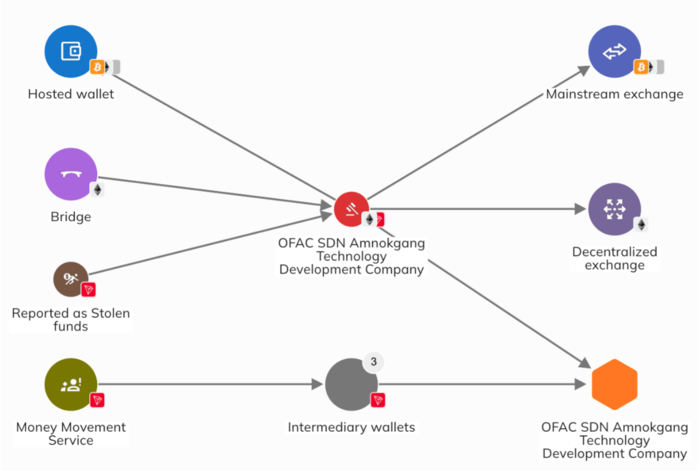
U.S. Treasury Freezes Crypto Network Feeding Nearly $800 Million To North Korea's Weapons Programs
10 sources compared