Full Analysis Summary
BBC identity findings
The BBC reports that a tout operating under the name "Ahadeen" has been identified as Anil Ahmed.
The corporation matched a phone number he provided to one sent by BBC reporters on WhatsApp.
It linked the supplied address he gave to public records for Anil Ahmed.
The BBC traced bank details used to buy a driving test to that account name.
The BBC says its checks led it to conclude the identity link.
It also says the corporation confronted the man in person during its investigation.
This account forms the core factual finding presented by the BBC's reporting.
BBC identification dispute
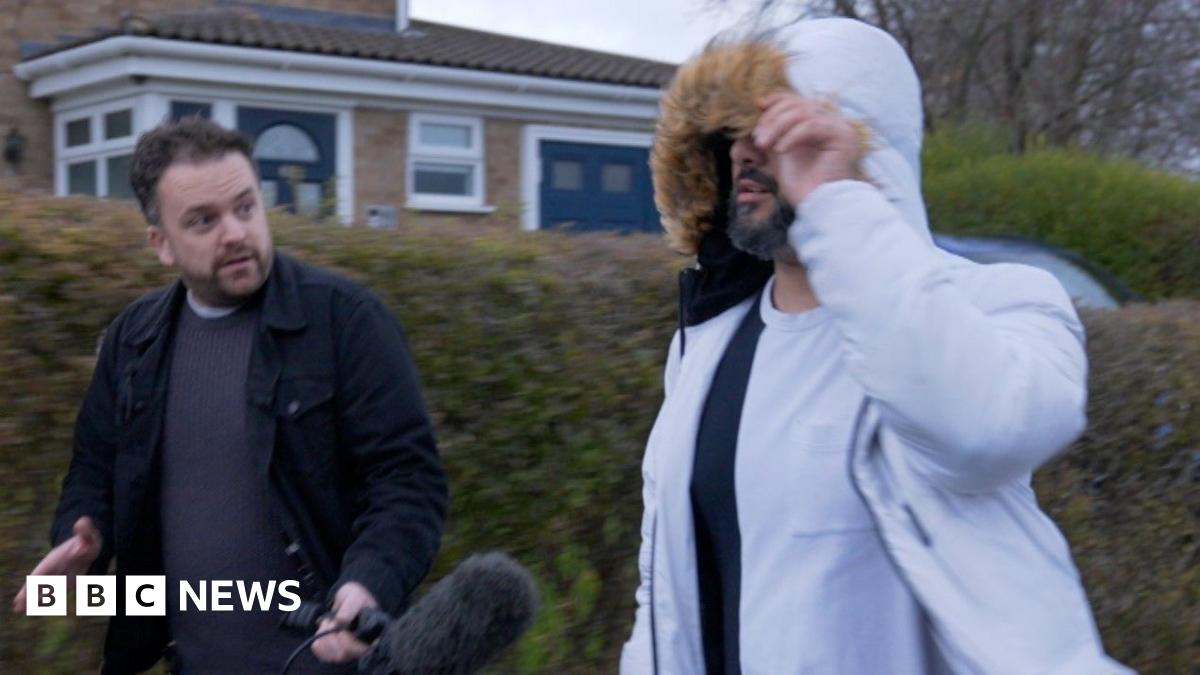
When BBC reporters approached the man identified as Ahadeen/Anil in person, he initially responded to being called 'Anil'.
He then denied he was Mr Ahmed and later described the allegations as a 'complete fabrication'.
The BBC records the subject's denial alongside the documentary links that led reporters to that individual, creating a direct dispute between the BBC's identification effort and the subject's rejection of the claim.
Coverage Differences
Tone and direct quotes vs. reported evidence
Within the BBC’s own account there is an internal contrast: the BBC reports tangible evidence (phone, address, bank details) linking the name to Anil Ahmed while also reporting the man's denial and his quote calling the allegations a "complete fabrication." Because only BBC reporting is provided, we cannot assess whether other outlets prioritise the denial over the documentary evidence, or vice versa.
Alleged driving test network
The BBC's investigation further documents a network of alleged touts beyond the man identified as Ahmed.
It names a figure called Khalid in the West Midlands who allegedly offered reporters £250 a month in exchange for driving instructors' logins.
He claimed to use an automated tool to grab test slots on OBS accounts.
Khalid also asserted he had over 1,000 partner instructors and paid an extra £50 for each instructor recruited.
He even claimed some instructors earn more than £500 a month.
These reported claims, the BBC says, paint a commercialised operation around driving tests.
Coverage Differences
Narrative detail vs. absent cross-sourcing
The BBC provides granular claims about Khalid's offers, tools and network; however, with only BBC material available, there is no way to cross-check whether other outlets corroborate Khalid's self-described scale (over 1,000 partners), the automated tool claim, or the £250 monthly payment claim. The BBC is reporting Khalid's own offers and assertions, and without additional sources we cannot resolve whether these are independently verified.
Driving test allegations
The BBC names a third figure, 'Jamal', who is said to operate in the Home Counties and to have offered to sell driving tests.
WhatsApp messages seen by the BBC suggest Jamal and Khalid are connected.
The report adds that driving instructor Peter Brooks has written to the head of the DVSA, Loveday Ryder, with evidence about Jamal, and the BBC has seen the letter indicating that at least one instructor has taken documentary concerns to the regulator.
Coverage Differences
Source-reported evidence vs. regulator response gap
The BBC reports both the WhatsApp links between Jamal and Khalid and Peter Brooks's letter to the DVSA, but the supplied material does not include the DVSA's response or reporting from other outlets on the regulator's actions. Thus the BBC's account documents the complaint and the messages but leaves open how, or whether, the regulator has acted — a gap that could be filled by other sources if they were available.
BBC driving-test access market
The BBC portrays an organised market in driving-test access, facilitated by touts who recruit instructors, exchange logins, use automated tools to grab OBS slots, and sell or broker tests.
The scale and mechanics are shown through the BBC's interviews, WhatsApp evidence and document checks, but only BBC material is available here so the broader picture — including the DVSA's response, law-enforcement action and corroboration from other outlets — is not present in these excerpts.
That absence leaves material questions about the full scale and regulatory outcome unresolved.
Coverage Differences
Narrative completeness vs. external corroboration
The BBC's reporting compiles identification, quotations and message evidence to present a narrative of organised malpractice; with only BBC content provided, we cannot compare how other source types (for example Western Alternative or West Asian outlets) might emphasise different angles, tone, or terminology, nor can we show contradiction or corroboration across distinct source types.