Europe03 December, 20252 min read
Belgian Police Arrest Former EU Foreign Policy Chief Federica Mogherini on Fraud and Corruption Charges
This article is an automated aggregation of coverage from news outlets. Our editorials offer in-depth analysis curated by the NewsCord team.
Belgian police detained Federica Mogherini in an EPPO probe into alleged procurement fraud. Probe centers on EU‑funded contracts to train junior diplomats at the College of Europe.
32 outlets told this the same way.
Outlets did split on Marco Rubio Urges Europe To Awaken From Slumber In Athens Speech →
Belgian probe of EU official
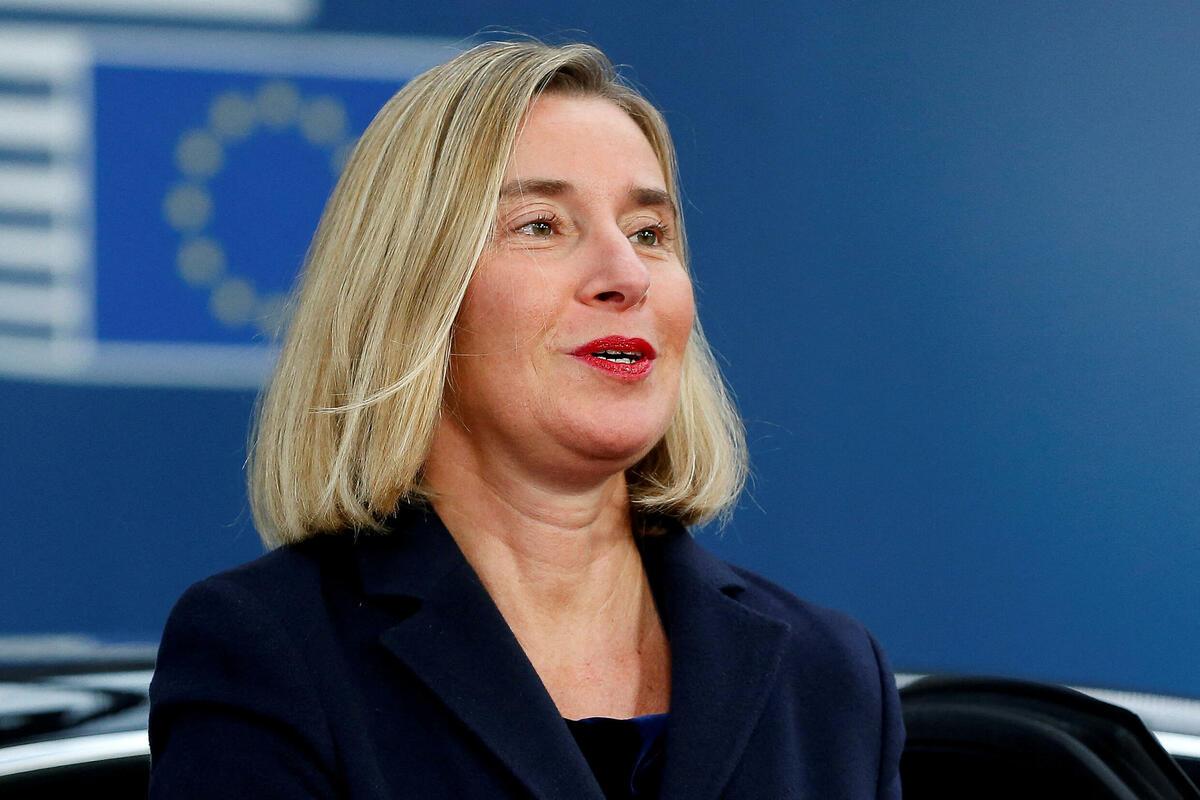
Belgian police detained former EU foreign policy chief Federica Mogherini after raids at the College of Europe campus in Bruges and at European External Action Service (EEAS) premises in Brussels. The actions were part of an investigation led by the European Public Prosecutor's Office (EPPO) into alleged procurement fraud, corruption, conflict of interest and violation of professional secrecy. The three suspects were questioned, formally notified of the accusations and released because they were not considered flight risks.
“Mogherini, who led EU foreign policy from 2014–2019 and has headed the College of Europe since 2020 (taking charge of the Diplomatic Academy in 2022), was detained for questioning after raids Tuesday at the College’s Bruges campus, EEAS Brussels premises and private homes.”
Suspects questioned in EU case
The detained group consistently includes Federica Mogherini alongside a senior College of Europe official and a high-ranking EU official. Multiple reports identify Stefano Sannino, the former EEAS secretary-general, among those questioned.
Some outlets also name Cesare Degliotti or describe the other suspect simply as the college's deputy rector or a senior staffer. Belgian police questioned the three individuals and released them pending further proceedings.

EU Diplomatic Academy probe
The European Public Prosecutor's Office (EPPO) says the probe centers on the award of a 2021–22 tender for the EU Diplomatic Academy. The Academy is a nine-month training programme for junior diplomats. Reports disagree on the sums involved, with several outlets citing a contract worth about €650,000.
“The EPPO is leading the investigation with support from OLAF; the College, the European Commission and current High Representative Kaja Kallas say they are cooperating and stress commitment to transparency. ... The contract at issue was worth about €650,000.”
At least one outlet describes the sums tied to the programme as about €1.7 million. Investigators are examining possible procurement fraud, corruption, conflict of interest and breaches of professional secrecy. Some reports allege confidential EEAS information may have been shared with the College.
Institutional response to allegations
Several institutions emphasised cooperation with investigators and the presumption of innocence. The College of Europe, the European Commission and the EEAS said they will cooperate with investigators. Federica Mogherini and Stefano Sannino publicly said they trust the justice system and expect clarification.
The EPPO and several media outlets stressed that the allegations are unproven and that suspects remain presumed innocent. Some outlets also flagged political risks and warned of reputational damage for the EU given prior scandals.
Context of EU probe
Observers placed the investigation in a wider context of EU corruption controversies and institutional reform. Multiple sources linked the probe to broader concerns about procurement and the EU's anti-corruption credibility, noting the 2022 'Qatargate' fallout.
“The case is an embarrassment for the 27-nation bloc — coming as the EU presses Ukraine to tackle corruption and following the 2022 ‘Qatargate’ scandal. No foreign actor has been implicated to date.”
Some outlets reported potential implications for pending anti-corruption legislation and for parliamentary scrutiny. Other reports limited their coverage to the narrow facts of the raids and the formal accusations.
