Protests24 November, 20254 min read
Belgian Unions Paralyze Country in Three-Day General Strike
This article is an automated aggregation of coverage from news outlets. Our editorials offer in-depth analysis curated by the NewsCord team.
Three-day national strike paralyzed transport, public services, schools, and airports. Unions protested the government's proposed spending cuts, austerity measures, and labour-law changes.
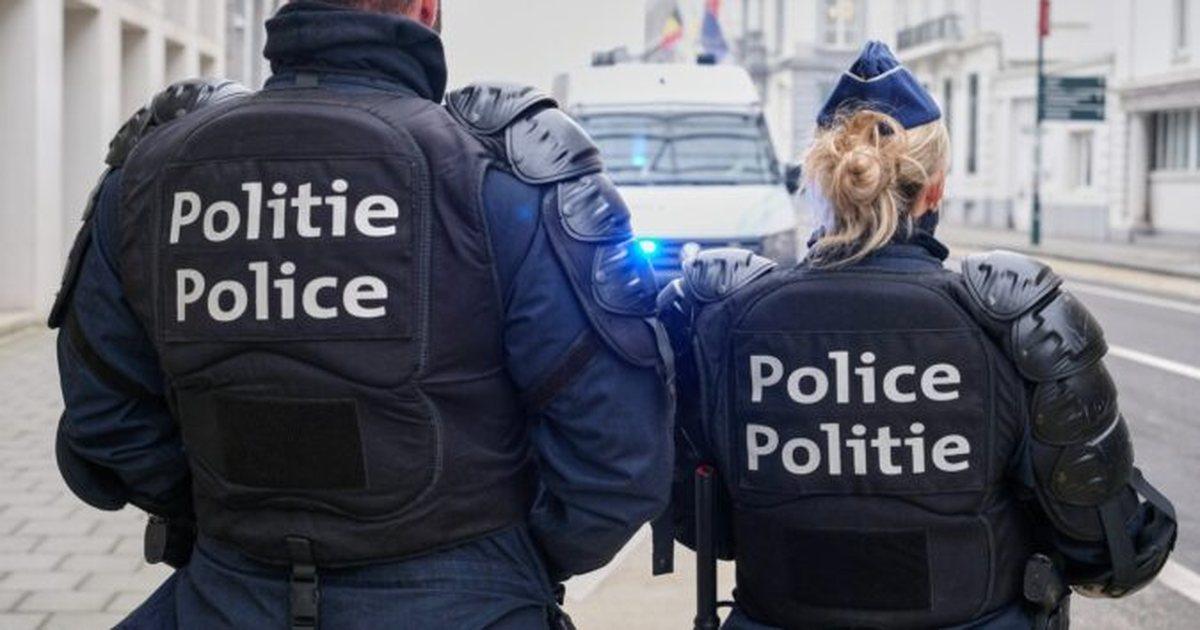
7 outlets told this the same way.
Belgium nationwide strike
Belgium has been paralyzed by a three-day nationwide strike called by unions to protest proposed spending cuts, pension changes and labour-market reforms. The action is staged in three waves that have hit transport, public services and then the whole economy. France 24 reports the walkout begins Monday with heavy disruption to trains and public transit, with national rail operator SNCB planning to run about two-thirds of services, or only one-third on some lines, and several Eurostar services cancelled.
“Belgium is facing a three-day nationwide strike starting Monday, called by unions to protest proposed spending cuts and pension and labour reforms.”
France 24 says the strike is followed by schools, creches and hospitals on Tuesday and a planned full general strike on Wednesday when no flights are expected at Brussels Zaventem and Charleroi. TRT World likewise says the budget deal will not avert a three-day national strike and describes the same three-wave schedule.

RTL Today summarises the immediate disruption as 'Three days of widespread industrial action began—half of trains running today' and predicts no flights from the main airports. These reports together show a national action with coordinated phases that have produced significant transport and public-service paralysis across Belgium.
Belgium budget dispute
The strike follows a government budget agreement announced after marathon talks. France 24 details the fiscal package, saying the pact aimed to cut the deficit by €9.2 billion by 2029 and includes tax hikes on share purchases, plane tickets and natural gas, a new bank tax, and spending cuts. It notes Belgium currently has a deficit of about 4.5% of GDP and public debt of 104.7% of GDP.
TRT World adds political context, noting Prime Minister Bart De Wever set a Christmas deadline to resolve disputes within his five-party coalition and is pushing austerity and structural reforms while trying to fund increased military spending. RTL Today summarises union objections as opposition to planned government spending cuts of €10 billion over five years. These accounts agree a fiscal deal exists but differ on the figures cited and the aspects each source highlights: fiscal arithmetic, coalition deadlines, and the unions' headline grievance.
Unions' response to reforms
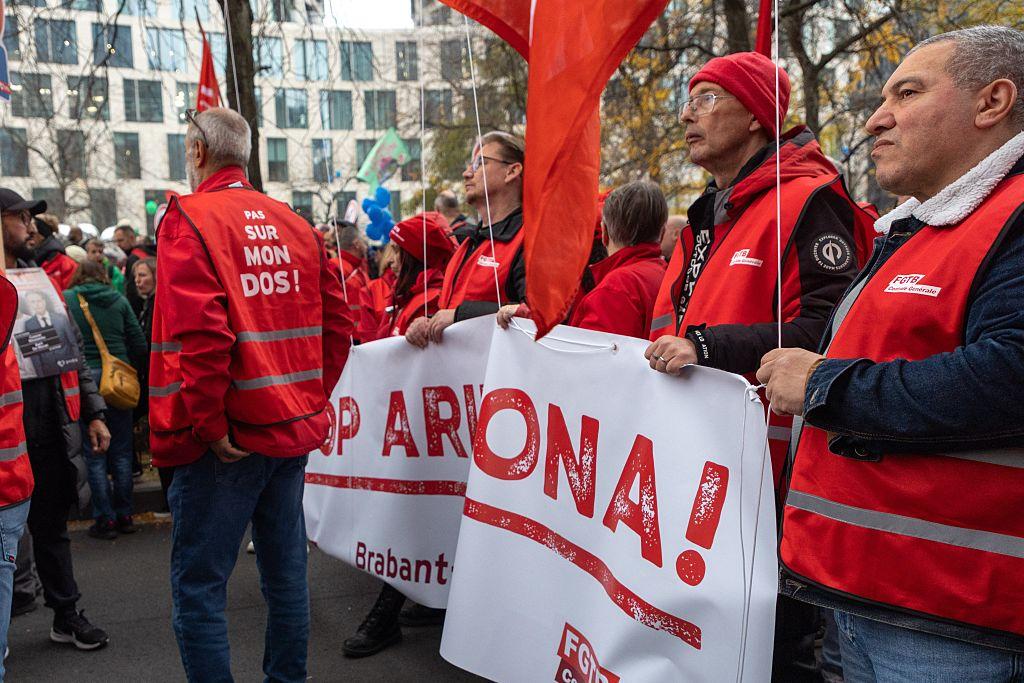
Unions frame the strikes as a defence of social programmes and as a response to what they say is the dismantling of welfare protections. TRT World reports that unions say the measures amount to dismantling social programs, and that the socialist FGTB accused De Wever of 'contempt' toward the social movement. France 24 records unions saying the budget and earlier pension reforms still justify the national action, which will go ahead as planned.
“The unions say the measures amount to dismantling social programs, and the socialist FGTB accused De Wever of ‘contempt’ toward the social movement.”
From a Western alternative perspective, Jacobin's Daniel Kopp situates the dispute in a broader movement‑building narrative, saying union resistance has built ties with civil society, trained hundreds of new union leaders and mobilized thousands of young people. Kopp adds that the struggle has reshaped capacity and consciousness even if the results are mixed. These portrayals differ in language—from reporting of union slogans to analysis of long‑term organising—but converge on unions seeing the measures as fundamentally threatening social protections.
Nationwide strike impacts
The immediate impact has been widespread, including cancelled Eurostar services, reduced rail timetables, affected hospitals and schools, and airports expecting no flights during the planned full strike. France 24 specifically notes that several Eurostar services have been cancelled and that SNCB is running only fractions of its usual services. TRT World describes Monday's transport disruption and warns that Wednesday will be a full general strike with no flights expected at the main airports.
RTL Today explicitly reports no flights from Brussels Zaventem or Charleroi. Together these reports paint a picture of national paralysis affecting international connections, domestic rail and key public services.

Belgian strike coverage
Outcomes remain uncertain. Jacobin warns the conflict's outcome is 'wide open' and stresses the strike's broader political stakes and movement-building gains even in partial defeats. TRT World notes that De Wever's plans are slowed by divisions in his coalition, implying the government's ability to implement reforms is politically constrained.
“The piece argues that the outcome of Belgium’s 2025 conflict is wide open — it could bring down the government or fail to stop its ‘antisocial’ measures — and will shape the country’s politics for years.”
France 24 reiterates Belgium's fiscal strain, citing a deficit of about 4.5% of GDP and public debt of 104.7% of GDP as the context for tough choices. One source (Tuko News) does not provide coverage and explicitly requests the article text or a link, illustrating uneven or missing reporting across outlets.

In short, sources agree on disruption but diverge on likely political consequences and tone. Mainstream outlets focus on fiscal detail and service disruption, TRT highlights coalition fragility, Jacobin foregrounds political crisis and movement power, and one source lacks relevant content.