Full story
Belgium’s settlement import ban
Belgium’s federal government approved a ban on importing goods produced in Israeli settlements in the occupied Palestinian territories at its final cabinet meeting before the summer break, Belga reported on Saturday.
“Belgium’s federal government has approved a ban on importing goods produced in Israeli settlements in the occupied Palestinian territories”
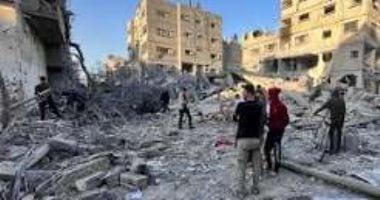
The decision was adopted as part of a package of measures agreed upon last year in response to Israel’s ongoing genocide in Gaza and the mounting civilian death toll, and Belgium’s legal framework for implementing the import ban has yet to be finalized.

Al Jazeera said the move fulfills a commitment made last year over the scale of Israel’s bombardment of Gaza and its death toll, while TRT World described it as an import ban on goods originating from the occupied Palestinian territories.
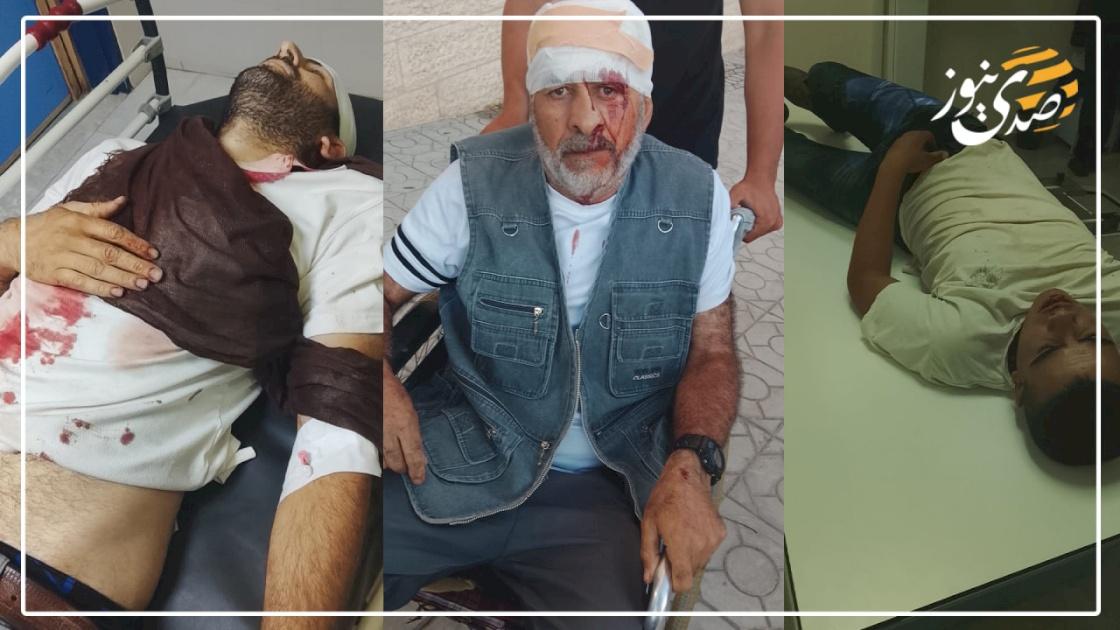
TRT World also linked the policy shift to Israel continuing to expand illegal settlements in the occupied West Bank, and it cited Gaza’s Health Ministry figures that Israeli ceasefire violations killed more than 1,100 Palestinians and injured over 3,600 others.
The same TRT World account said Israel’s military campaign in Gaza since October 2023 has killed more than 73,000 Palestinians and wounded over 173,000, while causing widespread destruction to about 90 percent of the enclave’s civilian infrastructure.
EU pressure and competing frames
Belgium’s ban arrived after Belgian foreign minister Maxime Prevot pressed EU counterparts at a closed-doors meeting in Brussels for a bloc-wide ban, accusing the European Commission of offering ministers “a bone to chew on” rather than a genuine plan to act.
Al Jazeera said the case for tighter controls was strengthened this year by a Global Echo Litigation Center investigation examining more than 30,000 export documents covering thousands of Israeli agricultural shipments to Europe.
That investigation found roughly one in six contained goods grown in settlements in the occupied West Bank or Golan Heights, rising to nearly one in five among shipments bound for EU countries, and investigators said exporters routinely obscured the true origin of the produce.
The Palestine Chronicle framed Belgium’s decision as one of Europe’s strongest trade measures targeting Israel’s settlement enterprise, and it said the legal framework for implementing the import ban has yet to be finalized.
Palestine Chronicle also tied the trade measure to momentum within the European Union for tougher measures against products originating from illegal Israeli settlements, while noting that the European Commission has yet to table formal legislation.
Settlement expansion backdrop
While Belgium moved on settlement imports, multiple sources described continued Israeli settlement expansion in the occupied West Bank and Gaza, including plans for 1,024 settlement units on more than 1,069 dunams of Palestinian land since the beginning of July.
TRT World reported that the Palestinian Colonization and Wall Resistance Commission said Israeli authorities advanced plans for 1,024 settlement units on more than 1,069 dunams, and it said the projects aimed at consolidating Israel’s “de facto annexation” of the occupied territory.
The Guardian said Israel’s defence minister Israel Katz intended to set up three “Nahal” outposts in northern Gaza, and it reported that the finance minister Bezalel Smotrich announced 1.3bn shekels (£318m) in funding for dozens of new Israeli settlements in the occupied West Bank.
The Guardian also quoted Maj Gen Avi Bluth telling residents of extremist outposts that he “appreciates their work” and considered them to be partners in security with the military, and it reported that bulldozers were working on at least seven settlements that would be populated before polling day.
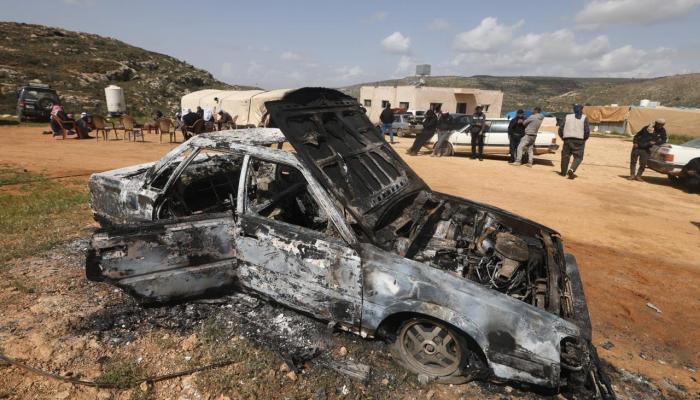
In the same Guardian account, UN human rights office for Palestine said “Settler violence is state violence,” and it described how Israel used settlers to lead annexation efforts while systematic impunity ensured violence could grow unchecked.