Ukraine War18 December, 20252 min read
Belgium Conditions Backing for Massive EU Loan to Ukraine on Ironclad Protection From Russian Retaliation
This article is an automated aggregation of coverage from news outlets. Our editorials offer in-depth analysis curated by the NewsCord team.
Belgium demands ironclad EU guarantees against Russian retaliation before backing a massive loan to Ukraine EU leaders worked overnight to reassure Belgium and negotiate protective guarantees for supporting the loan

5 outlets told this the same way.
Belgium's conditions on EU loan
Belgium has conditioned its support for a proposed major EU loan to Ukraine on receiving "ironclad guarantees" that it and other EU members will be protected from Russian retaliation. This stance surfaced at a high-stakes EU summit in Brussels where leaders discussed using frozen Russian assets to underwrite the loan. The Eastern Daily Press reports that Belgian demands are tied to proposals to use tens of billions of euros in frozen Russian assets to underwrite a two-year loan intended to meet Ukraine’s military and financial needs for 2026–27.
“Belgium has said it will only back a major EU loan for Ukraine if partners give ironclad guarantees that Belgium will be protected from Russian retaliation.”
Leaders framed the decision as crucial to achieving "peace for Ukraine through strength." Given the limited availability of corroborating text in the other provided sources, the Eastern Daily Press piece is the sole substantive account among the supplied materials of these developments.
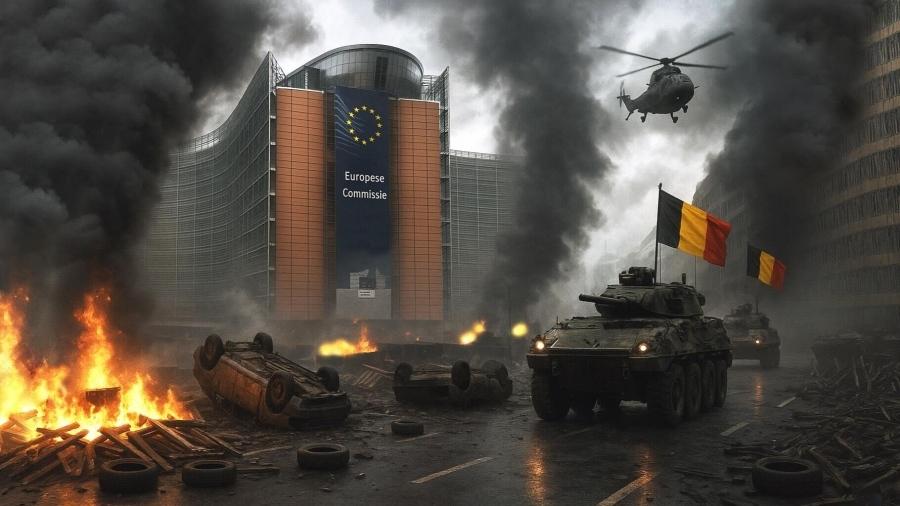
Belgium seeks guarantees for Ukraine
According to the Eastern Daily Press, Belgium’s demand for "ironclad guarantees" appears motivated by concerns about direct or indirect Russian retaliation if EU states move to deploy frozen Russian assets as collateral for Ukraine’s needs. Ukrainian President Volodymyr Zelensky is quoted as urging leaders to decide immediately to keep Ukraine solvent into the new year.
The Eastern Daily Press frames the issue as urgent and tied to both military and financial continuity for Ukraine. Other supplied sources do not contain corroborating reporting, leaving open questions about the exact nature of the guarantees Belgium seeks and how other EU members reacted at the summit.

Frozen-assets loan plan
Reportedly, the plan would tap tens of billions in frozen Russian assets to underwrite a two-year EU loan to meet Ukraine’s military and financial needs in 2026–27. Leaders described the move as central to achieving 'peace for Ukraine through strength'. However, other supplied sources did not provide substantive coverage of the summit, so no additional details about legal, fiscal, or diplomatic safeguards that might serve as the requested guarantees were included in the provided materials.
“At a high-stakes EU summit in Brussels, the 27-nation bloc is set to consider using tens of billions of euros in frozen Russian assets to underwrite a two-year loan to meet Ukraine’s military and financial needs for 2026–27.”
Belgium's stance on guarantees
Diplomatically, Belgium’s stance — as presented in Eastern Daily Press — injects a high-security threshold into EU decision-making about novel financial tools (frozen assets as collateral). The report implies those guarantees could be political, legal, or military in nature, but the supplied materials do not specify which, and The Economic Times and WHEC snippets offer no further clues. This lack of additional sourcing makes it unclear whether other EU states will accept Belgium’s conditions, what the guarantees would look like in practice, or what contingency planning exists if such guarantees prove unachievable.
Belgium backing and loan proposal
The supplied reporting rests almost entirely on an Eastern Daily Press account. That account reports Belgium’s conditional backing tied to "ironclad guarantees" and records Zelensky’s plea for immediate action.
“Belgium has said it will only back a major EU loan for Ukraine if partners give ironclad guarantees that Belgium will be protected from Russian retaliation.”
It also describes a proposal to use frozen Russian assets to underwrite a two-year loan framed as a pathway to "peace for Ukraine through strength." Because The Economic Times and WHEC provided only metadata stating the article text was not available, readers should treat this narrative as provisional and seek additional coverage for confirmation, details on the guarantees’ form, and other member states’ responses.