Gaza Genocide23 December, 20252 min read
Belgium Joins South Africa's Genocide Case Against Israel at ICJ
Belgium filed a declaration of intervention at the ICJ in South Africa's genocide case. Belgium invoked Article 63 of the ICJ Statute to intervene under the Genocide Convention.

19 outlets told this the same way.
Outlets did split on Israel Marks Oct. 7 Anniversary With Strikes on Gaza, Netanyahu Faces Election After Nova Tribute →
ICJ Gaza case interventions
Belgium has formally filed a declaration of intervention at the International Court of Justice in the case South Africa brought accusing Israel of committing genocide in Gaza.
“Belgium has filed a declaration of intervention in a case at the International Court of Justice (ICJ) brought by South Africa accusing Israel of committing genocide in Gaza.”
Belgium said it seeks to clarify its interpretation of international law rather than endorse South Africa's allegations or defend Israel.
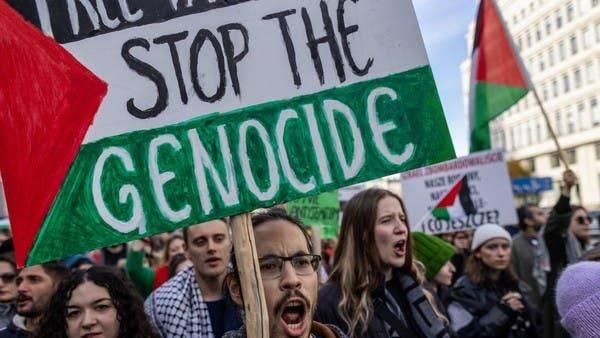
The filing joins interventions from countries including Brazil, Colombia, Ireland, Mexico, Spain and Turkey, and was confirmed lodged on Dec. 23 when the court invoked Article 63 of the ICJ Statute.
South Africa originally filed the suit in December 2023 under the 1948 Genocide Convention.
Israel denies the genocide accusation.
ICJ case summary
The South Africa case rests on the 1948 Genocide Convention. South Africa asked the International Court of Justice to order Israel to halt what it alleges are genocidal acts and to take measures to prevent further mass killing.
The court issued provisional measures in January 2024 and further orders in March and May directing Israel to prevent acts that could amount to genocide and to ensure urgent humanitarian aid, while noting it lacks direct enforcement mechanisms. Israel rejects the accusations and says its operations are acts of self-defense.

Casualty figures and accountability
Various outlets cite a stark and contested human toll, reporting Gaza health ministry figures that place Palestinian deaths at about 70,000–71,000.
“Israel’s subsequent military campaign has, according to Gaza’s health ministry (figures the UN regards as reliable), killed 70,369 Palestinians — also mostly civilians — and displaced the majority of Gaza’s 2.2 million residents.”
Israeli figures report 1,221 people killed in Israel in the Oct. 7 Hamas attack.
Multiple sources state that the UN regards Gaza health ministry figures as broadly reliable.
Many reports explicitly describe Israeli military operations as responsible for the mass Palestinian deaths that South Africa alleges amount to genocide.
Belgium on genocide law
Belgium's stated legal interest focuses on how the court defines and proves genocide — particularly the Article II requirement of "specific intent" (dolus specialis) to destroy a protected group — which could shape the court's legal thresholds and wider political consequences.
Observers note the intervention signals European concern about how the ICJ will interpret genocidal intent and evidence, even as Belgium reiterates it is not taking a political side but offering legal analysis.
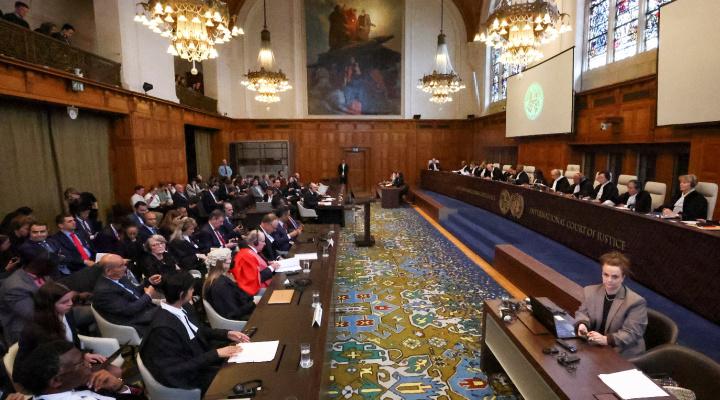
ICJ case developments
The ICJ process will be prolonged and politically charged; the court’s rulings are legally binding but lack direct enforcement, third-party interventions are unusual, and the proceedings are expected to take years. Reports note procedural oddities, including Nicaragua’s withdrawal of an initial bid to intervene, and Israel was granted an extension until January 2026 to file its formal response because of the case’s breadth and additional states’ participation. Belgium’s intervention increases legal scrutiny and keeps attention on South Africa’s allegation that Israeli forces have been killing Palestinians at a scale it labels genocide.
“ICJ rulings are legally binding but the court has no direct enforcement mechanism, and the full proceedings are expected to take years; Israel was granted an extension until January 2026 to file its formal response because of the case’s scope, complexity and involvement of additional states.”