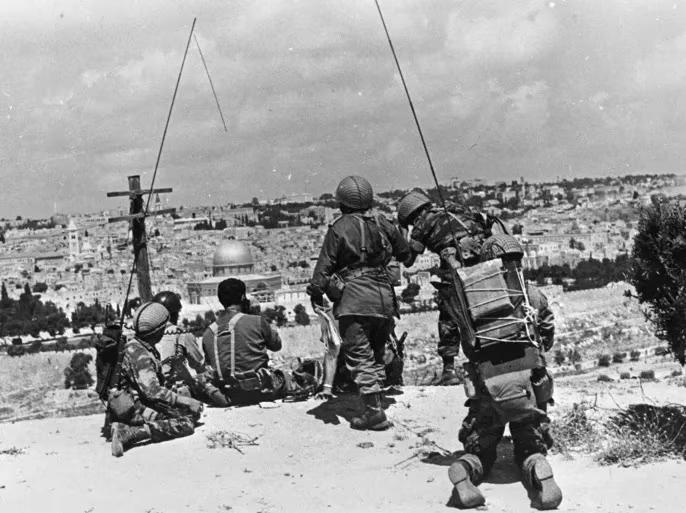
Benjamin Netanyahu Orders Army To Expand Security Zone In Southern Lebanon
Key Takeaways
- Netanyahu ordered the army to extend the zone of operations into southern Lebanon.
- About 1,000 square kilometers in Gaza, Lebanon, and Syria are under Israeli control.
- The move creates new borders crossing agreements, expanding Israel’s security perimeter.
Three fronts, buffer zones
Israeli Prime Minister Benjamin Netanyahou confirmed he had ordered the army to "d’étendre la zone de sécurité" au sud du Liban, as Israel sought to impose expanded «zones tampons» across Gaza, southern Lebanon, and the Golan syrien.
The Ici Beyrouth account says the strategy is being deployed simultaneously on three fronts, creating separation spaces between Israel and forces including Hezbollah, pro-Iranian groups in Syria, and Hamas in Gaza.

It adds that in Gaza, since 2025, Israel has progressively established a buffer strip along the eastern and northern borders with a depth estimated between 1,5 and plus de 6 kilomètres selon les secteurs, described as a «ligne jaune» separating areas under Israeli control.
The same source says the corridor of Netzarim traverses the center of the enclave, while the corridor of Philadelphie along the Egyptian border remains a key control point for flows.
In parallel, the Ici Beyrouth piece describes Israel’s approach in Syria as maintaining a military exclusion zone along the Golan Heights, with presence more structured around the Mont Hermon.
Netanyahu, Shuqayf Castle
In southern Lebanon, Netanyahu said the occupation of Shuqayf Castle represents a "decisive turning point" in the military campaign against Hezbollah, adding that Israel is "operating on all fronts" in Lebanon, Gaza, and Syria.
In a video statement, Netanyahu said: "Today we returned to Shuqayf Castle in a different way, united, determined, and stronger than ever," while Israeli Security Minister Yisrael Katz said Israeli forces "captured Shuqayf Castle and will stay there."
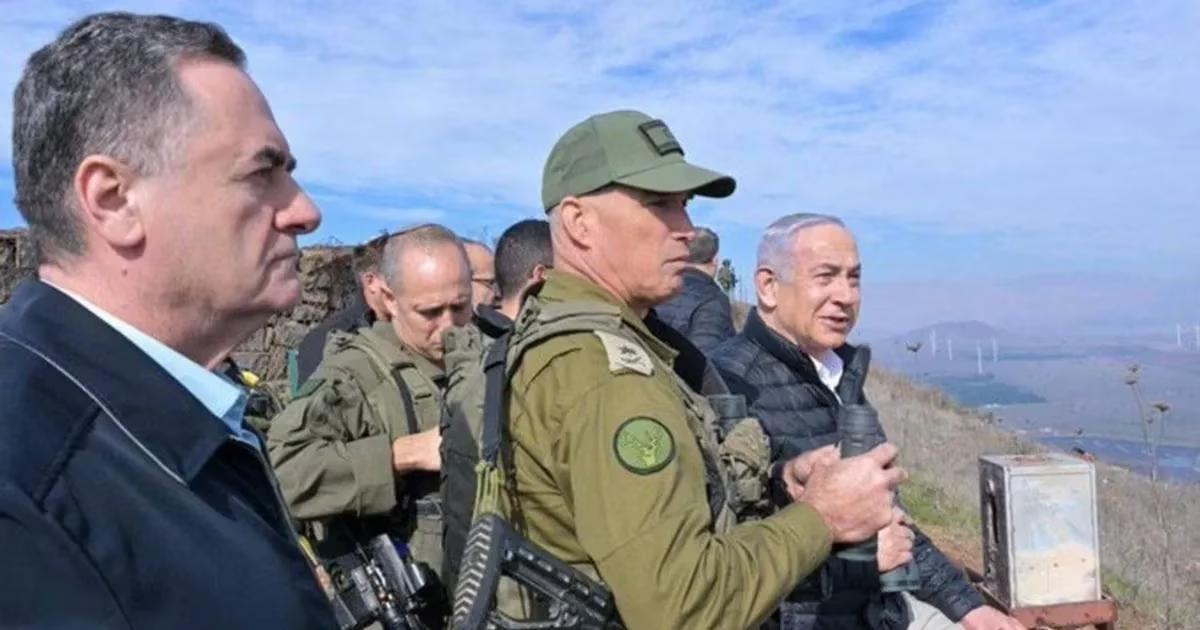
The Télévision العربي account says the Israeli army announced control over Shuqayf Castle and Wadi al-Salouqi as part of an operation it said had begun days earlier to destroy Hezbollah infrastructure and widen the front line.
It also reports that Lebanon’s Health Ministry said an Israeli airstrike targeted the vicinity of Hiram Hospital in Tyre, injuring 13 hospital workers and causing substantial damage to the hospital.
By contrast, Hezbollah announced rocket attacks and drone launches targeting military sites in northern Israel, including areas near Acre and Haifa, as the border escalation continued with air strikes, rocket fire, and drone attacks.
Territory, displacement, and risk
El País says the army has gained control of about 1,000 square kilometers in Lebanon, Syria and Gaza since 2023, describing it as Israel’s peak of territorial occupation in four decades.
It reports that in Lebanon, troops reached the gates of Nabatieh and are advancing, turning villages into rubble by destroying 36,000 homes, while in Syria it controls 235 square kilometers beyond the Golan Heights.
In Gaza, El País says Israel openly breaches the ceasefire agreement by progressively shrinking the Strip, stating it should control 53% of the territory but has unilaterally modified the boundary to exceed 60% and that Netanyahu has ordered it to be raised "as a priority" to 70%.
El País also quotes Netanyahu saying, "We have changed our security concept. We initiate, attack, and we have created three deep security zones inside enemy territory," linking the territorial shift to a drive for "strategic depth" and settlement expansion.
Yehuda Shaul, co-director of Ofek, is quoted warning that the danger in Gaza is that troops keep advancing all the time and that there is a possibility Israel will maintain a part permanently, with "the danger of building settlements in parts of Gaza."
More on Gaza Genocide
Israel Strikes Dahieh Beirut Suburbs, Killing Two as Iran Launches Missiles
15 sources compared
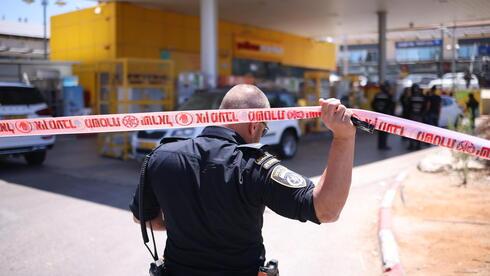
Palestinian Gunman Kills Israeli Man, Wounds Five in Kochav Yair Shooting Attack
22 sources compared
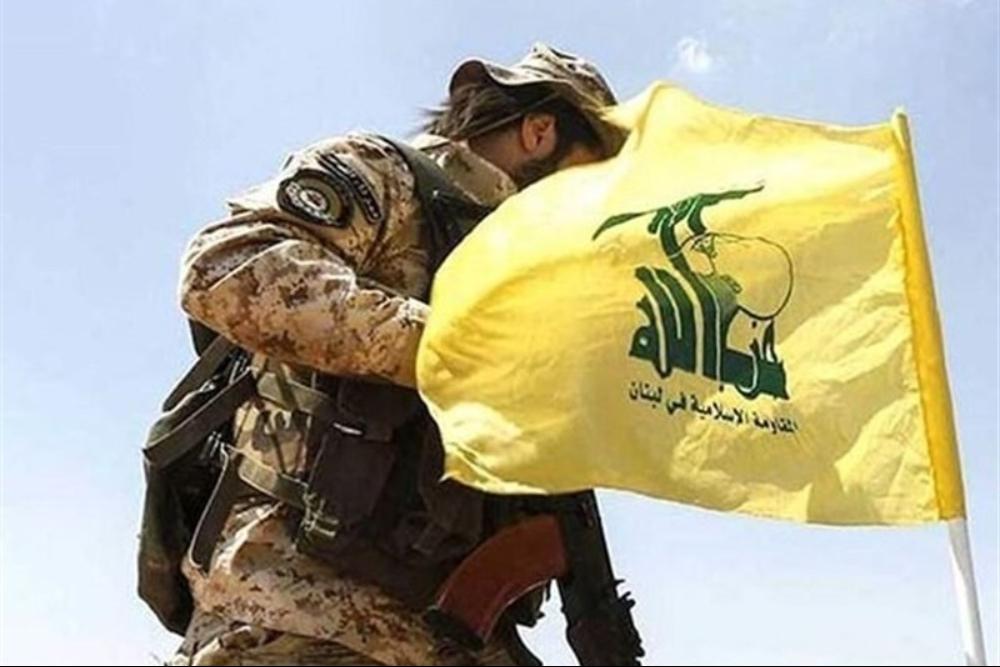
Islamic Resistance Fires Rockets And Drones At Israeli Troops, Vehicles In Qantara And Yohmor Al-Shaqif
12 sources compared

Israeli Soldiers Kill Seven-Month-Old Sam Fahd Abu Haikal in Hebron Car Shooting
19 sources compared