Business26 February, 20263 min read
Bill Gates Admits Affairs, Apologizes for Ties to Jeffrey Epstein
Apologized to Gates Foundation staff for associating with Jeffrey Epstein, calling it a 'huge mistake' Admitted to two affairs with Russian women
38 outlets told this the same way.
Outlets did split on CATL Starts Trial Production at Debrecen Battery Cell Plant in Hungary →
Gates apology and Epstein ties
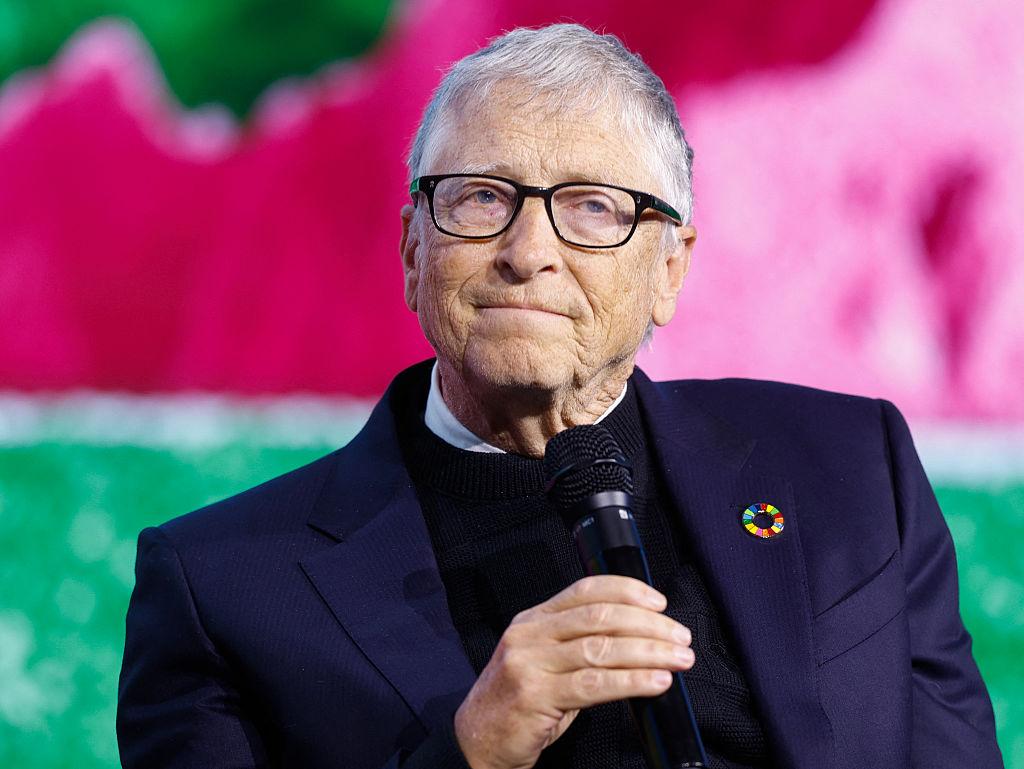
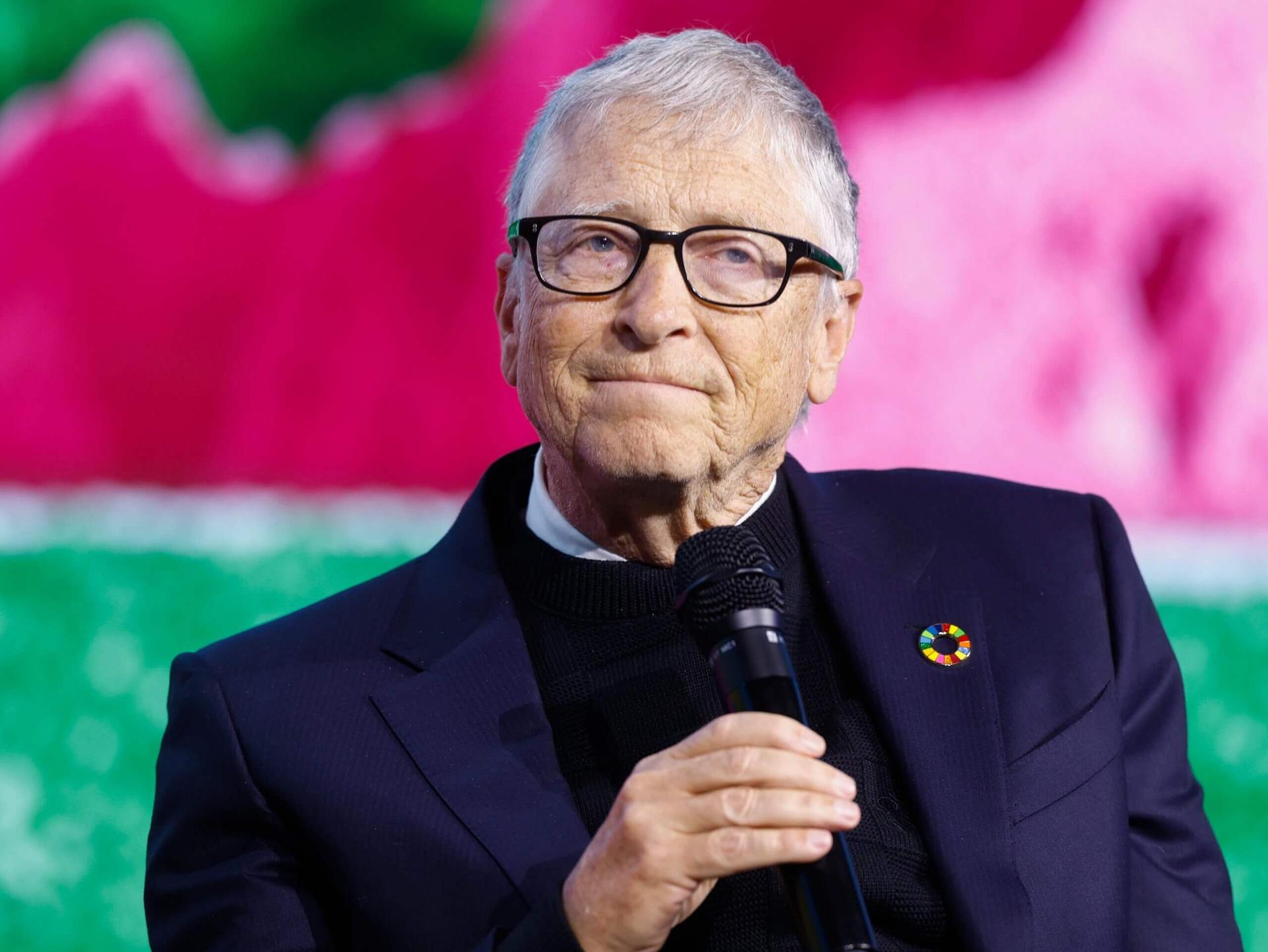
Bill Gates apologized at a Bill & Melinda Gates Foundation town hall for his ties to convicted sex offender Jeffrey Epstein. He called spending time with Epstein "a huge mistake" and said he "took responsibility for his actions." He also acknowledged two extramarital affairs and insisted he "did nothing illicit" and "saw nothing illicit."
“Audio obtained by the WSJ has Gates saying he ‘did nothing illicit’ and ‘saw nothing illicit.’”
The Wall Street Journal's reported town‑hall audio was cited across outlets, with The Guardian, Newsweek and Blavity News noting his apology, his denial of involvement in Epstein's crimes, and his admission of two affairs. Several sources report Gates framed the interactions as related to philanthropy and expressed regret for involving foundation staff in meetings with Epstein.
Gates on Epstein contacts
Reporting across multiple outlets describes the timeline and Gates' account of interactions with Epstein. Gates said he first met Epstein around 2011 and met or flew with him on various occasions through about 2014. He maintained he never stayed overnight with Epstein or visited Epstein's private island, and said his interactions were philanthropic in intent.
Newsweek, whatstrending and Blavity News cite Gates' statements that he met Epstein after Epstein's 2008 conviction, that he traveled with him but "never stayed overnight or visited Epstein's private island," and that he "saw nothing illicit." Several reports note Gates acknowledged his then-wife Melinda raised concerns in 2013 but that he continued contact for a period afterward.

DOJ files on Gates
The Justice Department’s released files and related materials prompted renewed scrutiny. Outlets report the tranche included emails, calendar entries and photos of Gates with women, some redacted. The files also included a draft Epstein email alleging Gates contracted a sexually transmitted infection, an allegation Gates’ representatives called false.
“The renewed scrutiny follows Justice Department-released files that include emails Epstein wrote to himself claiming Gates had contracted a sexually transmitted infection and requested antibiotics to give to his then-wife; Gates has denied that allegation.”
Coverage varies on verification: several sources explicitly label those claims as unverified or disputed, while others highlight the details in the DOJ materials. Publications report that some photos were described by Gates as ones Epstein asked him to take.
Gates fallout and responses
Institutional fallout and responses were reported widely. Gates withdrew from the India AI Impact Summit and canceled a planned keynote, which several outlets said was to prevent distraction from the event. The Gates Foundation reiterated it never paid or employed Epstein and said Gates answered staff questions candidly.
Coverage also records Melinda French Gates’ comments in some outlets, noting the DOJ release revived painful memories and that the couple’s separation/divorce followed strains tied in part to Gates’ association with Epstein. Different outlets highlighted the foundation’s statements, Gates’ withdrawal and Melinda’s reaction to varying degrees.
Media coverage differences
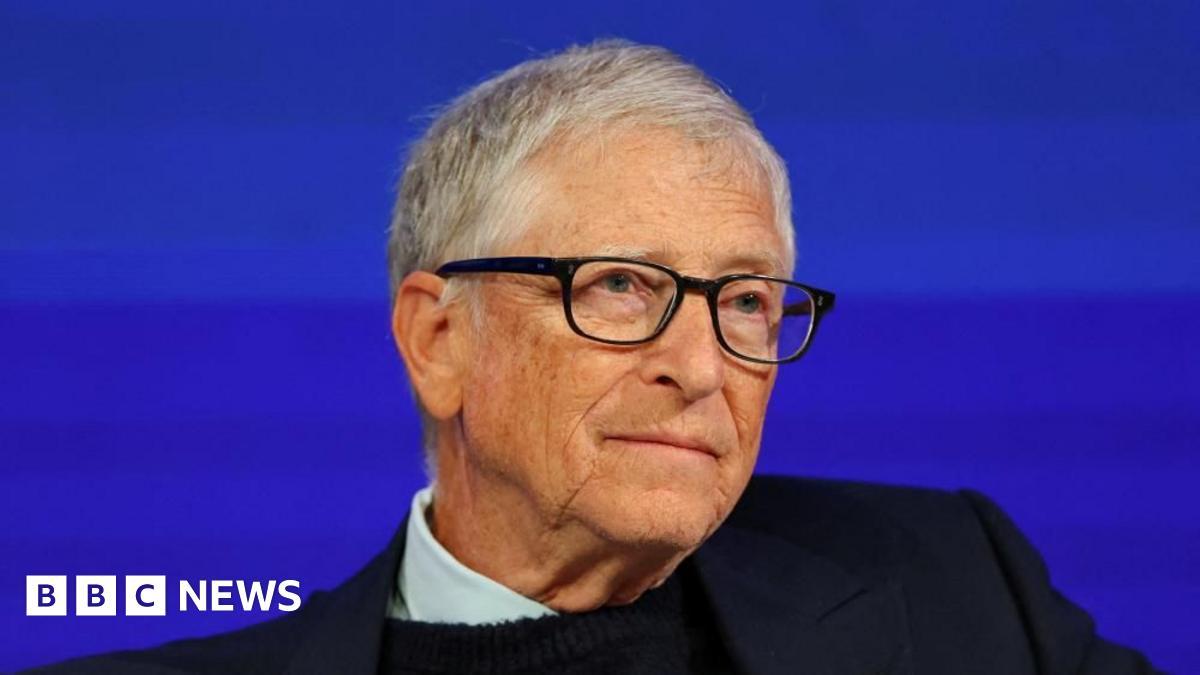
Across the coverage there are clear differences in emphasis and warnings about uncertainty. Many outlets publish Gates’ direct statements and the DOJ materials’ contents. Several outlets explicitly note that allegations in the files remain unproven and that Gates’ denials and the foundation’s clarifications are part of the public record.
“A 2013 draft email from Epstein that surfaced alleged Gates asked for help after contracting an STD; Gates’s representatives have called that claim false and denounced the accuser.”
Readers therefore encounter a mix of direct-quote reporting, document-driven detail and cautious contextualization depending on the outlet’s focus and type. That pattern — mainstream focus on institutional responsibility and direct quotes, tabloid and entertainment focus on personal scandal, and regional outlets underscoring local impacts like the India summit withdrawal — is consistent across the sources consulted.