USA08 December, 20252 min read
Bipartisan Lawmakers Demand White House Release Video of Trump Administration Double-Tap Strike That Killed 87
This article is an automated aggregation of coverage from news outlets. Our editorials offer in-depth analysis curated by the NewsCord team.
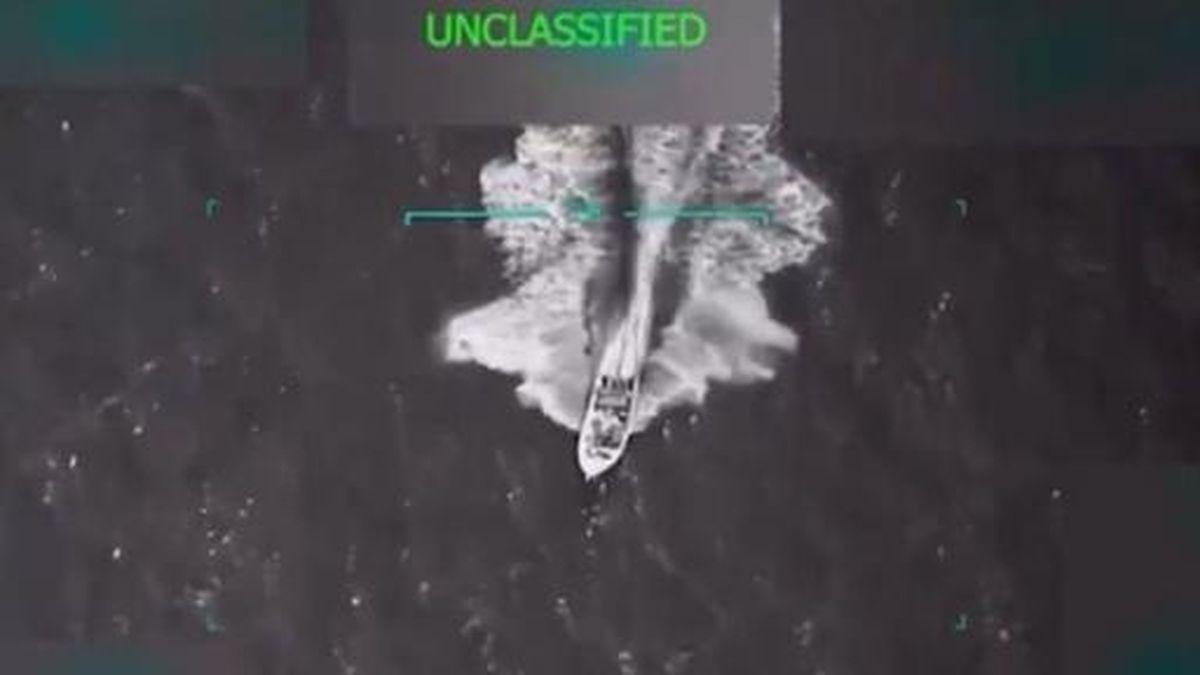
Bipartisan lawmakers demand release of classified video of September double-tap boat strike Trump-era strikes have killed at least 87 people in the Caribbean and Eastern Pacific

10 outlets told this the same way.
U.S. Caribbean strike controversy
On Sept. 2, U.S. forces struck a suspected drug-smuggling vessel in the Caribbean.
“Lawmakers are urging the release of a video showing a controversial ‘double‑tap’ US military strike on a suspected drug‑smuggling vessel in the Caribbean after revelations that a follow‑up attack on Sept. 2 killed two survivors of an initial strike.”
Allies and critics describe the operation as a double-tap attack.

Reporting says the campaign has killed more than 87 people.
A follow-up strike reportedly killed two survivors of the initial attack.
Those reports prompted calls from lawmakers to release classified video of the incident.
Sources say an initial strike split the vessel and killed multiple people.
Additional strikes reportedly hit survivors and sank the boat.
Observers say the episode is part of the Trump administration's broader militarized counternarcotics campaign.
Lawmakers who have seen footage in closed briefings urged public disclosure so Americans can judge for themselves.
Lawmakers' accounts of footage
Lawmakers from both parties who viewed classified footage in closed briefings have publicly called for the tape to be released.
Their accounts diverge sharply.
Democrats said the footage showed an incapacitated vessel and unarmed survivors.
Some Republicans defended the secondary strike as justified.
Congressional leaders, including Rep. Jim Himes and Rep. Adam Smith, urged transparency.
Senators and representatives gave contrasting public accounts after briefings, prompting calls for a public viewing to resolve competing interpretations.
Contested military operation
Officials and military leaders defended the operation while the press reported disputed accounts about orders and intent.
“NBC News reports that on Sept. 2 Defense Secretary Pete Hegseth ordered U.S. forces to ‘kill everyone’ aboard a suspected drug‑smuggling boat...”
Adm. Frank 'Mitch' Bradley met with lawmakers to justify the secondary strike.
The administration signaled a willingness to release footage but cautioned that operational concerns remain.
At the same time, reporting, notably by NBC and Time, relayed more severe allegations, including claims that Defense Secretary Pete Hegseth told forces to 'kill everyone' or that a directive to 'leave no survivors' was relayed.
The parties involved have denied or disputed those allegations.
Investigations and legal concerns
Legal and ethical questions have prompted bipartisan probes and warnings from experts. Analysts and reporting cite Pentagon guidance forbidding intentional killing of shipwrecked or out-of-combat people and warn that any order to target shipwrecked survivors could amount to a war crime.
Congressional investigations in both chambers and exchanges over whether actions complied with law-of-war rules are ongoing. Officials say footage release must be balanced against operational security because U.S. personnel remain active in the region.

Video release and transparency debate
Despite intensive reporting and bipartisan pressure, the full video has not been publicly released. The absence of the full footage has left competing narratives unresolved and factual ambiguities intact. Media outlets also stress that details remain disputed and that much of the public discussion depends on classified briefings.
“Top House Armed Services Democrat Adam Smith called for the video to be released.”
Reporters and lawmakers are urging transparency to resolve partisan readings of the footage, while officials cite operational concerns and pursue congressional probes. Consequently, the public must rely on fragmentary reporting and differing media emphases.