Ukraine War10 July, 20263 min read
Bipartisan Senators Unveil Sanctioning Russia Act of 2026, Targeting Vladimir Putin and Russian Energy Exports
This article is an automated aggregation of coverage from news outlets. Our editorials offer in-depth analysis curated by the NewsCord team.
Bipartisan senators unveiled the Sanctioning Russia Act of 2026 to punish Russian energy exports. The bill would sanction top Russian figures and impose tariffs on major oil buyers.

Graham sanctions bill unveiled
A bipartisan group of senators on Tuesday unveiled the “Sanctioning Russia Act of 2026,” a Russia sanctions and tariff bill championed by the late Sen. Lindsey Graham, who died suddenly on Saturday.
ABC News reported the legislation is set to move toward what Senate aides previewed as a likely successful vote after the White House agreed to the bill's terms on Friday, with the bill text said to have not been changed since Graham's death.
The bill would punish Russian energy exports and the foreign partners who purchase them, including sanctions on Russian financial institutions and its largest state energy projects, and it would impose tariffs of up to 100% on the top five importers of Russian crude oil and on the top five importers of its natural gas.
CBS News said the measure would target Russia’s energy sector and impose mandatory sanctions on Russian President Vladimir Putin, his top deputies, the Russian military, Russian banks and energy companies, and foreign entities doing business with Russia and Russia's shadow fleet of oil tankers.
In remarks tied to the bill’s unveiling, Democratic Sen. Richard Blumenthal said, “With all due respect to the President, he has approved this bill, and we should move forward with this bill rather than opening it.”
Trump, Blumenthal, and allies
At the Capitol Hill news conference, President Donald Trump said, “I know that Lindsey wanted it very badly. I think they may be adding Iran to it. They're going to add Iran, which is a very big thing.”
ABC News reported Blumenthal responded by urging lawmakers to move forward rather than reopening the negotiated measure, saying, “With all due respect to the president, he has approved this bill, and we should move forward with this bill rather than opening it, in my view, to other potential targets.”
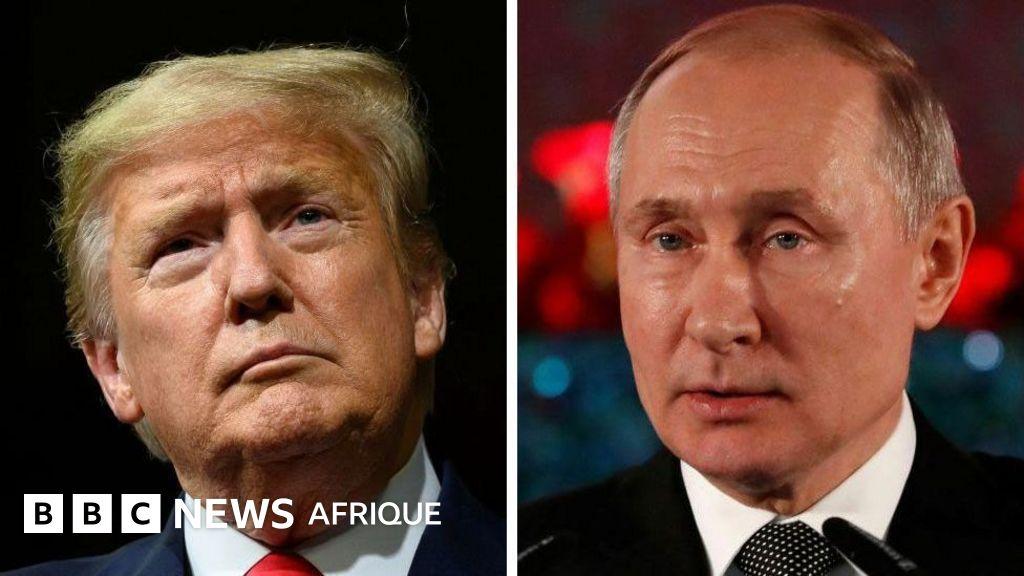
Time Magazine described the bill as a rare display of bipartisanship, with Sen. Katie Britt saying Graham worked “tirelessly, relentlessly” to bring the measure together and Sen. Roger Wicker calling it Graham's greatest achievement in preserving peace in Europe.
CNN reported the legislation would impose up to a 100% tariff on the top five countries, including China and India, that purchase Russian crude oil and natural gas, while allowing an exemption for countries that import less than 15% of Russia’s total natural gas exports and are “taking significant steps to reduce those imports,” according to a Senate aide.
CNN also said Blumenthal believed the bill could be passed “before August,” and that Senate Majority Leader John Thune indicated he was “ready to go forward when he has the votes, and I think we have the votes.”
Ukraine stakes and next steps
Supporters of Ukraine in Congress have been working for more than a year to pass a bill that would impose steep tariffs on goods from countries that continue to buy Russian oil, gas and other exports, and WTOP said the revised measure was aimed at depriving Russia of money it uses to fund its war against Ukraine.
“The revised bill attempts to address both concerns.”
WTOP reported the White House wanted flexibility to waive sanctions when it is the national interest, and said the revised bill narrowed the tariffs to the world’s top five purchasers of Russia oil or natural gas while reducing the tariffs from a blanket 500% to up to 100%.
The Hill said Ukraine’s supporters in Congress urged quick passage of the bipartisan Russia sanctions bill authored by Graham as a way to honor him, and it quoted Senate Majority Leader John Thune saying passing the legislation “would be a great legacy, great tribute to Lindsey.”
The Hill also reported that Trump endorsed the bill and that the latest version is titled the Sanctioning Russia Act of 2026, with the 2026 version described as double the length—61 pages compared to the 31 pages in the 2025 bill.
In a statement carried by CBS News, GOP Sen. Katie Britt said, “Putin's war against Ukraine has claimed hundreds of thousands of lives, and it must end,” and she said Graham believed getting the legislation passed and signed into law would be the most consequential thing he achieved in his career.