Africa06 February, 20262 min read
Boko Haram Gunmen Massacre Scores of Villagers in Kwara and Katsina After Sending Letter Asking to Preach
Gunmen killed at least 75 villagers in Woro and Nuku communities, Kwara State. Rights groups and officials estimate the death toll may exceed 170, nearing 200.
19 outlets told this the same way.
Kwara village attacks
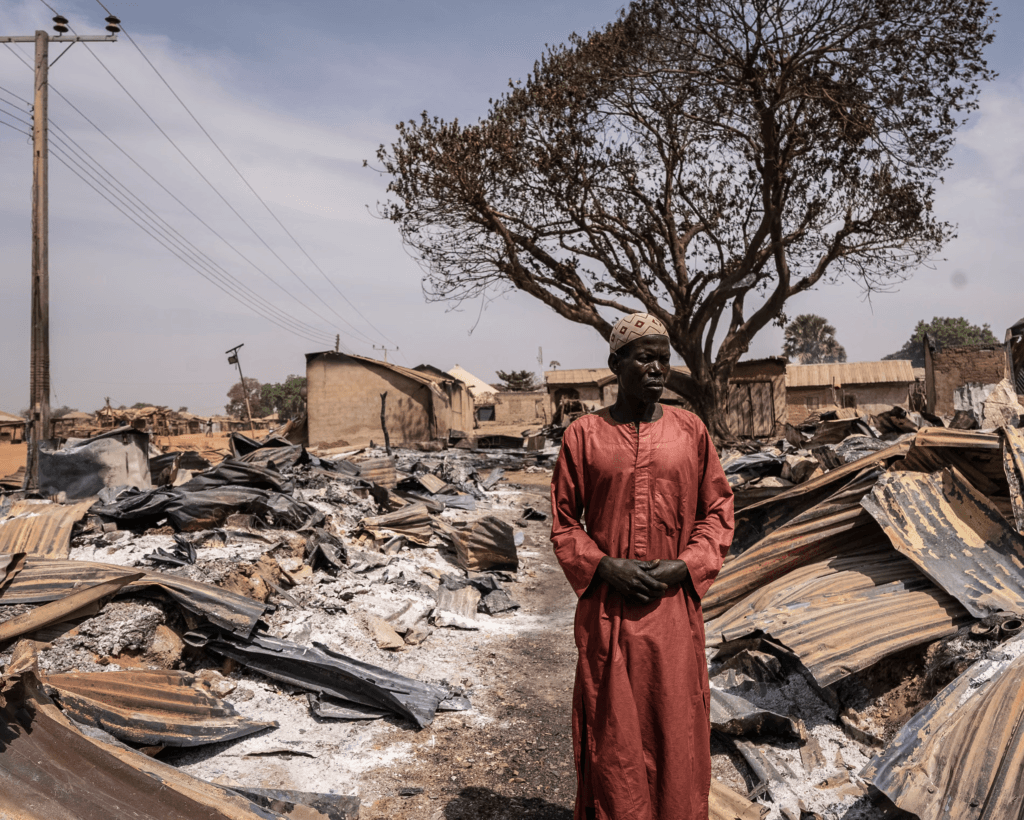
Gunmen attacked the remote Kwara villages of Woro and Nuku on Tuesday evening, burning homes, abducting people and killing dozens to well over a hundred residents as they reportedly tried to force religious recruitment. Reported death tolls vary widely, from around 75 to more than 170. Al Jazeera reported nearly 200 killed in two attacks this week and said at least 170 people were killed when attackers stormed Woro.
“Officials reported 75 people ‘massacred,’ while another source said 78 have been buried and as many as 170 more bodies may still be recovered.”
UPI cited officials saying 75 people were massacred, and other sources said 78 were buried with up to 170 more bodies possibly recovered. Crux and the Luxembourg Times gave higher figures; Crux said at least 162 people were killed and Amnesty put the toll above 170. The Informant247 said villagers buried at least 75 people as rescue teams recovered more corpses.

Warning letters before attacks
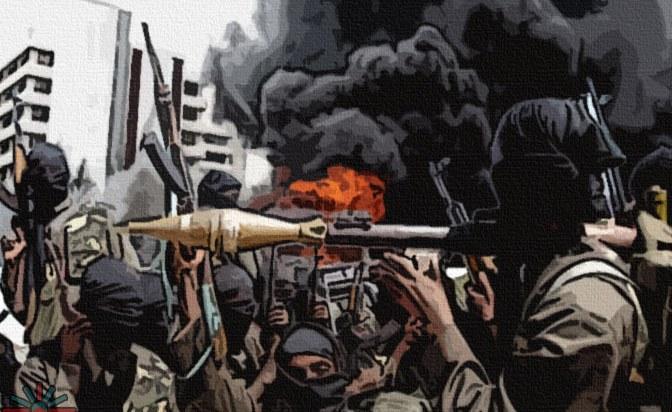
Witnesses and several reports said the attackers first sent letters to villagers offering to "preach" or warning of an upcoming visit before the assault. They then entered the communities, shooting, binding some victims, torching homes and shops, and abducting people. Crux and Al Jazeera noted footage and witness reports showing bodies, some with hands tied, and burning homes.
Amnesty said the gunmen had sent warning letters for months. Legit.ng and The Informant247 cited residents who said the assailants had delivered a letter ahead of the attacks. Daily Post Nigeria and Opinion Nigeria likewise reported a warning letter sent to the district head.
Response and security failures
Authorities and political leaders reacted with denunciations and orders for military intervention, but several reports criticized security gaps and a delayed response. President Bola Tinubu ordered deployment of an army battalion under "Operation Savannah Shield," the governor visited the area, and the Inspector-General of Police ordered a manhunt.
“Tinubu ordered an army battalion to Kwara under a new Operation Savannah Shield and called the assault ‘cowardly and barbaric’; police and military have launched search-and-rescue and manhunt operations.”
Provincial officials and military sources said difficult terrain and planted explosives slowed the response. The Informant247 reported troops did not arrive until about 3 a.m. after the assault began around 5 p.m., and Al Jazeera and Crux cited Tinubu’s order while Amnesty International condemned security lapses.
Reporting on Nigerian violence
The massacre fits into a wider pattern of escalating violence across Nigeria, with separate attacks reported in Katsina and ongoing militant insurgency and banditry. Outlets frame the event differently depending on regional focus and source type. Al Jazeera and Crux situate the Woro/Nuku killings within a broader security crisis involving Boko Haram and IS-linked groups, and concurrent attacks in Katsina and Borno.
Luxembourg Times and allAfrica emphasize links to long-running insurgencies, kidnappings, and recent U.S.-Nigeria cooperation. Several reports named or associated the attackers with Boko Haram or IS-linked factions—Crux referenced the local name Lakurawa, while UPI and Legit.ng used 'Boko Haram' or 'suspected jihadist fighters.'
