Boko Haram Gunmen Massacre Villagers in Kwara After Sending Letter Asking to Preach

Boko Haram Gunmen Massacre Villagers in Kwara After Sending Letter Asking to Preach

06 February, 202620 sources compared
Africa

Key Points from 20 News Sources

  1. 1

    Suspected Boko Haram militants massacred villagers in Woro and Nuku, Kwara State.

  2. 2

    Attackers sent a warning letter demanding villagers accept their preached doctrine before killings.
  3. 3

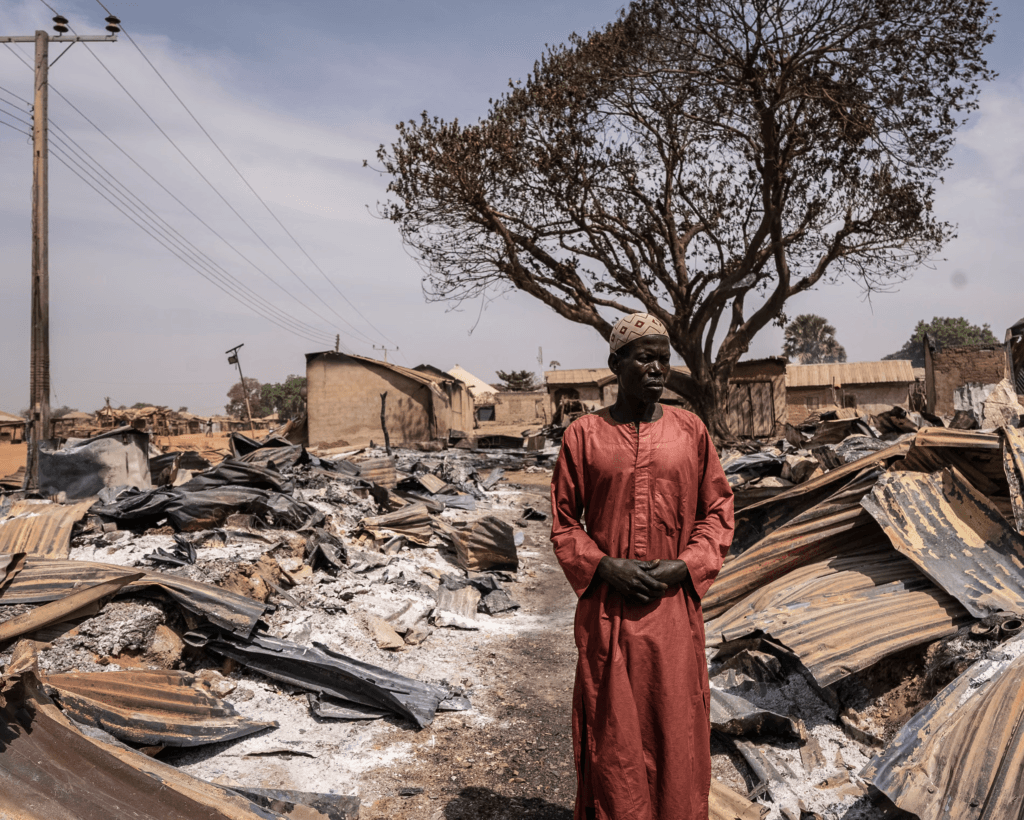
    Officially confirmed deaths at 75, while rights groups and lawmakers estimate 162–200.

Full Analysis Summary

Kwara village attacks

Gunmen attacked the Kwara State villages of Woro and Nuku on the evening of Jan. 3–4.

They murdered residents, burned homes and shops, and kidnapped dozens as survivors fled into nearby bush.

Multiple sources say the assaults began around 5 p.m. and lasted for hours, with widespread abductions and mass flight.

ynews.digital reported at least 75 people were killed in a mass shooting and that at least 38 people were abducted.

UPI noted the raids began around 5 p.m., lasted three to four hours, burned homes and shops, and left about 38 people taken.

The Informant247 similarly reported attackers burning homes and killing dozens and said rescue teams were still recovering corpses.

Al Jazeera described the attackers as storming the village of Woro, tying some victims and torching homes and shops, underscoring the scale and brutality as survivors fled.

Coverage Differences

Casualty and scale reporting (contradiction/variation)

Sources diverge sharply on the death toll and on how to characterise the scale of the assault. Local and some media reports cite a lower initial figure around 75 dead, while rights groups and the Red Cross provide much higher counts up to about 162–170. Some outlets emphasise the duration and brutality (burning, tying victims) while others focus on the number of bodies buried or recovered.

Tone and emphasis (narrative)

Some outlets foreground the immediacy and eyewitness details of the attack (e.g., tying and torching), while others emphasise initial official counts and the factual timeline. This affects perceived severity: outlets quoting rights groups highlight graphic abuses; others stress the evacuation and abductions.

Conflicting casualty reports

Counting the dead and recovering bodies has been chaotic and contested.

Official local figures cited in several outlets put the immediate death toll at roughly 75–78 and describe mass burials.

Humanitarian groups and the Red Cross reported far higher totals.

ynews.digital reported at least 75 people were killed and said the Red Cross reported the death toll as 162 while Amnesty International said it could exceed 170.

Crux likewise cited a local lawmaker saying at least 162 people were killed, and Amnesty International put the toll above 170.
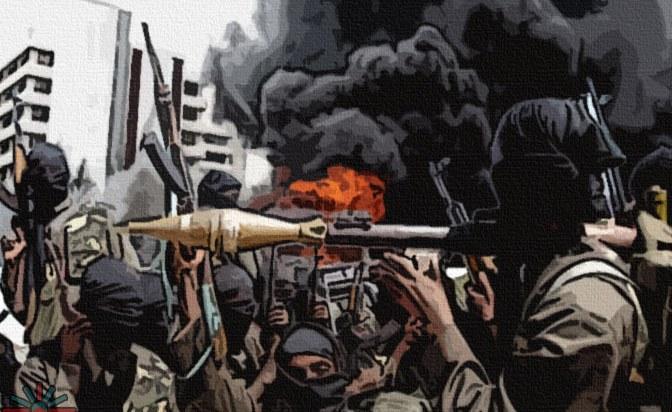
Legit.ng quoted survivors saying the attackers killed more than 100 people.

Reports also note bodies were found mutilated, shot at close range, or burned, raising concerns about the nature of the violence.

Coverage Differences

Contradiction in casualty counts

There is a direct numerical contradiction between local/official burial counts (around 75–78) and larger figures from humanitarian agencies (Red Cross ~162, Amnesty >170). Some outlets present both, others prioritise one figure and describe mass burials.

Severity framing (tone)

Human-rights sources emphasise graphic abuses — bodies shot at close range or burned alive — while some local reports simply record burials without the same descriptive detail, producing a disparity in perceived brutality.

Conflicting claims over raids

Reports differ on who carried out the raids, with several local officials and President Bola Tinubu blaming Boko Haram or Boko Haram–linked elements.

ynews.digital records that President Bola Tinubu blamed Boko Haram.

UPI and The Informant247 report the attackers were 'from a faction of Boko Haram' and name a leader reportedly called 'Mallam Sadiku'.

Crux and other outlets quote Mohammed Omar Bio and others identifying the assailants as 'Lakurawa,' described as a local name for an Islamic State–linked group.

Opinion Nigeria refers to attacks by the 'Mamuda group'.

Al Jazeera notes that no group has formally claimed responsibility, underscoring uncertainty and competing identifications in reporting.

Coverage Differences

Attribution discrepancy (contradiction/uncertainty)

Some outlets report government or local attributions to Boko Haram or a faction, while other reporting cites IS‑linked names (Lakurwa) or locally named groups (Mamuda). Al Jazeera stresses that "No group has formally claimed responsibility," highlighting uncertainty vs. outlets that report names or blame.

Source-based framing (government vs. rights/analysts)

Government statements and local officials tend to blame Boko Haram or 'terrorist cells' and immediately promise deployment of troops, whereas investigative reports and analysts sometimes provide nuanced identifications of IS‑linked splinter groups or locally named gangs, reflecting different source priorities.

Warnings, attack and response

Multiple reports say the assault followed months of warnings and forms part of a wider, worsening security crisis.

Amnesty and Crux said attackers had been sending warning letters to villagers for more than five months, and The Informant247 and Legit.ng reported residents received a letter before the assault.

Officials framed the massacre as possibly retaliatory amid recent counter-terror operations.

National leaders ordered reinforcements, with Al Jazeera reporting that Tinubu ordered an army battalion to Kwara under Operation Savannah Shield and The Informant247 and Opinion Nigeria noting deployments of soldiers and forest guards.

Observers link the raids to a surge of violence across Nigeria, with multiple outlets placing the attack amid broader insecurity.

Coverage Differences

Context emphasis (narrative)

Some outlets foreground the prior warning letters and Amnesty's criticism of security lapses, while others emphasise state responses (deployment of troops and new operations). Luxembourg Times and allAfrica additionally situate the attack within international security cooperation contexts (noting U.S. involvement), a detail less prominent in local reporting.

Accountability and security-lapse framing (tone)

Rights groups and some international outlets highlight alleged security failures and call for investigations, whereas government and local statements focus on condemnation and troop deployments; both narratives appear across the source set.

Official and rights responses

Government officials, local leaders and rights organisations reacted with condemnation, emergency deployments and demands for investigations.

Multiple sources report President Tinubu and Kwara's governor visiting the area or ordering forces dispatched.

Ynews.digital says President Bola Tinubu blamed Boko Haram and ordered an army battalion deployed; Al Jazeera reports police and military launched search-and-rescue and manhunt operations; and Opinion Nigeria records that the Inspector-General of Police ordered a manhunt.

Rights groups called for transparent probes and highlighted security lapses after Crux and Luxembourg Times published disturbing footage and accounts of bodies with tied hands or mutilation, prompting human rights actors to demand accountability.

Meanwhile, local reports note burials and the continuing recovery of corpses amid rescue efforts.

Coverage Differences

Response framing (government action vs. rights scrutiny)

Government and officials emphasise deployments, manhunts and condemnations, while rights groups push for investigations and spotlight alleged security failures; some outlets foreground graphic evidence used by rights groups, others focus on operational responses and burials.

Variations in aftermath detail (missed information)

Some reports offer graphic on-scene details and footage descriptions (mutilation, tied hands), while others limit coverage to numbers, burials and deployments—creating variations in reader perception of the aftermath's immediacy and horror.

All 20 Sources Compared

Al Jazeera

Gunmen kill nearly 200 people in Nigeria’s Kwara and Katsina states

Read Original

allAfrica

Dozens Killed as Armed Attackers Raid Nigerian Villages

Read Original

breitbart

Potentially 200+ Killed in Suspected ISIS-Linked Attacks in Western Nigeria

Read Original

Crux

Islamic militants kill at least 162 people in attacks on 2 villages in Nigeria, lawmaker says

Read Original

Daily Post Nigeria

Kwara killing highlighted Nigeria’s deteriorating security situation – MPAC

Read Original

Legit.ng

Kwara Attacks: Residents Narrate Content of Warning Letter Sent to Them Before Massacre

Read Original

Luxembourg Times

Dozens killed in central Nigeria even as US expands role

Read Original

muslimnews.ng

Turkiye expresses sadness over deadly attacks in Kwara, reaffirms support for Nigeria’s fight against terrorism

Read Original

Naija News

Kwara Massacre: Victim’s Family Narrates How Terrorists Killed 75 People

Read Original

Newspeakonline

Tinubu deploys troops to Kwara communities after terrorists claim 75 lives

Read Original

Opinion Nigeria

Kwara Killings: Troops Arrived 10 Hours After Terrorists Struck, Says Village Head

Read Original

Premium Times Nigeria

Kwara govt confirms terror attack on Woro community, says 75 killed

Read Original

Ripples Nigeria

KWARA: Terrorists held Woro village for 10 hours before soldiers arrived —Village Head

Read Original

Saudi Gazette

Gunmen kill nearly 200 in Nigeria’s Kwara and Katsina states

Read Original

The Informant247

10 things you need to know about Kwara community terror attack

Read Original

The Witness Nigeria

Kwara massacre: Tinubu orders army battalion to Kaiama LG

Read Original

thenigerianvoice

President Tinubu Deploys Army Battalion To Kwara After Terrorists Kill 75 Residents

Read Original

upi

75+ dead in Boko Haram Islamist militant raids on Nigerian villages

Read Original

UPI

More than 75 dead in Boko Haram Islamist militant raids on Nigerian villages.

Read Original

ynews.digital

Nigeria Violence: At Least 75 Dead in Kwara Village Attacks

Read Original