South America25 May, 20263 min read
Bolivian President Rodrigo Paz Cuts His Salary And Cabinet Pay By 50% Amid La Paz Blockades
This article is an automated aggregation of coverage from news outlets. Our editorials offer in-depth analysis curated by the NewsCord team.
Bolivian president and ministers slash salaries by 50% to calm anti-government protests. Blockades trigger crisis causing shortages of food, fuel, and medicine in La Paz.

Salary cuts amid blockades
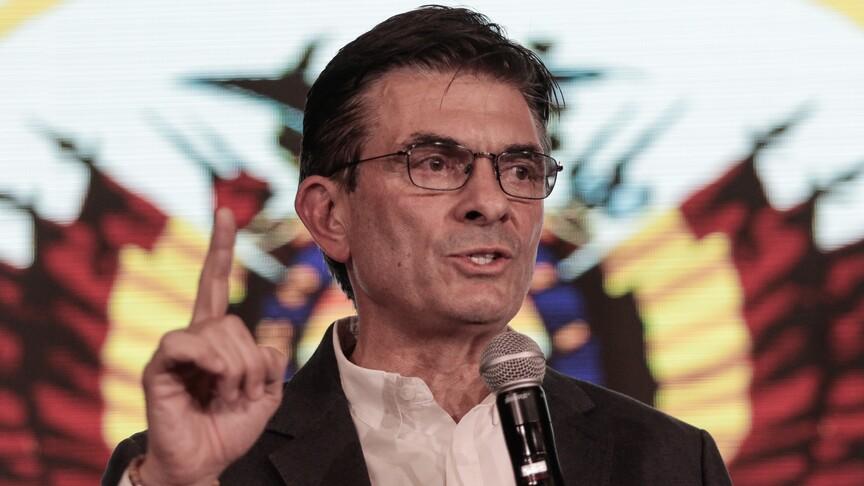
Bolivian President Rodrigo Paz announced on Monday that he and his entire Cabinet would cut their salaries by 50% as nationwide blockades demanding his resignation kept the administrative capital of La Paz under a chokehold. The Anadolu Ajansı report said Paz declared, "This president, alongside his ministers, has made the decision—as part of our profound commitment and sacrifice for the country—to reduce our salaries by 50%." France 24 reported that Paz said he would slash his salary and that of his ministers by 50 percent to try to end weeks of anti-government protests, with supplies to La Paz cut off by road blockades causing acute shortages of food, fuel and medicine.
Both accounts tied the announcement to the wider protest standoff, with Anadolu Ajansı saying the move came after the total collapse of dialogue between the government and protest leaders and France 24 saying the demonstrations began in early May over the government's handling of the worst economic crisis in four decades. Anadolu Ajansı also said the salary cut was announced just 24 hours after a highly anticipated dialogue between the government and indigenous leaders collapsed.
Morales, dialogue, and police
Anadolu Ajansı reported that after the failed peace talks, former president Evo Morales took to social media and wrote on the US social media company X that President Paz is left with only "two paths": militarizing the nation or holding elections. In the same Anadolu Ajansı account, Morales was described as a fugitive from justice following an arrest warrant issued on May 11, after he was declared in contempt of court for refusing to appear at his trial for rape and human trafficking. France 24 said Paz issued the salary-cut gesture in Sucre and that it was unclear whether it would appease protesters, noting that on Saturday police attempting to clear roads leading to La Paz clashed for hours with demonstrators.
France 24 also quoted Paz in an interview with Argentine broadcaster TN, where he said, "But everything has a limit," and refused to rule out imposing a state of emergency if the standoff continued. La Vanguardia reported that Paz launched a police operation to dissolve checkpoints encircling La Paz and El Alto, but said Monday opened with around sixty blocking points across the country and protest marches returned to the streets.

What’s at risk next
Anadolu Ajansı said the disruptions from the paralyzing protests have fractured national supply chains, triggering acute shortages of food, fuel, and medical supplies in major urban centers, devastating markets, and paralyzing hospitals. France 24 reported that Paz’s previous outreach attempts, including his firing of an unpopular labor minister and promises to give trade unions and Indigenous groups more of a say in government policy, didn't seem to satisfy protesters. La Vanguardia said the government planned to establish on Wednesday an economic and social council to steer dialogue, while business associations told it the permanent roadblock was costing about 50 million dollars.
In the same La Vanguardia account, Paz apologized and announced the salary reduction for himself and members of his cabinet after the fourth week of roadblocks, demonstrations, and protests began with no signs of the conflict being resolved. Anadolu Ajansı added that Paz pivoted toward the US, international financial institutions, and private business sectors while distancing his administration from powerful labor unions, a strategy it linked to the protests that have now entered their fourth consecutive week.