
Technology and Science · 18 June, 2026 · 2 min read
Bonn Climate Talks End in Gridlock Over Finance Commitments and Green Trade
Two weeks of tense Bonn talks yielded gridlock and no agreement on adaptation funding. Developed and developing countries clashed over climate finance, adaptation support, and emissions reductions.
Why Bonn stalled and what is most responsible.
5 of 7 outlets skipped it: bonn stalled on global goal on adaptation text drafts..
32outlets compared
Same story, two versions
tap a side to read it in full
Free Malaysia Today
““cherry-picking” the global commitments that “suit tactically in the moment””Read the original ↗
One frames moral/strategy failure; the other frames structural financing detail disputes.
Bonn ends in gridlock
The UN climate meetings SB64 in Bonn ended after two weeks in gridlock over finance commitments and green trade, with negotiators unable to agree on most issues despite “progress achieved on the Just Transition Work Programme.”
“two-week conference ended in a stalemate between developing and developed countries on most issues”
Carbon Copy said the clear win was progress achieved on the Just Transition Work Programme, which has been formalised as the Belem-Anatalya Mechanism, while it described a stalemate on the Global Goal on Adaptation (GGA) and on trade measures.
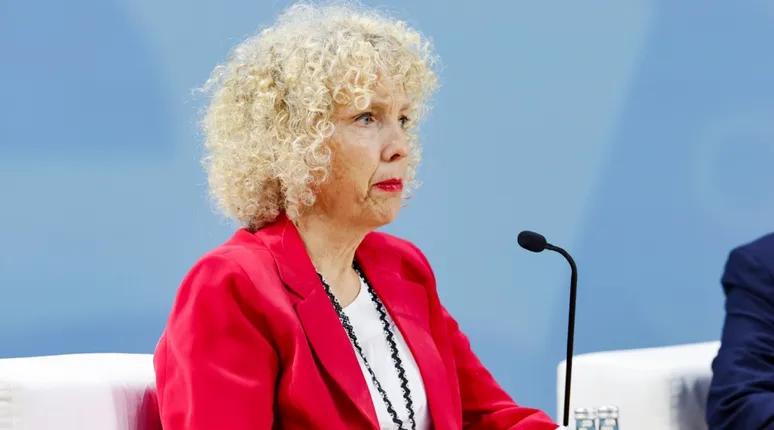
Inter Press Service reported that the World Conference Center Bonn talks ended with sharp disagreements between developed and developing countries over climate finance, adaptation support and emissions reductions, leaving “significant unresolved issues ahead of the COP31 climate summit in Antalya, Türkiye.”
Inter Press Service also quoted UNFCCC Executive Secretary Simon Stiell warning against “a familiar tendency towards ‘you-first-ism’ — groups refusing to deliver commitments or allow the process to move forward unless others go first.”
Voices clash over science
Inter Press Service said the EU acknowledged some progress but argued “The pace remains insufficient to meet the scale of the challenge before us,” while it also said the bloc was “extremely disappointed in how GGA negotiations have been handled here in Bonn.”
Carbon Brief reported that many diplomats lamented weakened trust in the UN climate process and said climate finance was “one of the greatest sources of tension between developed and developing countries,” influencing debates on adaptation and trade.C
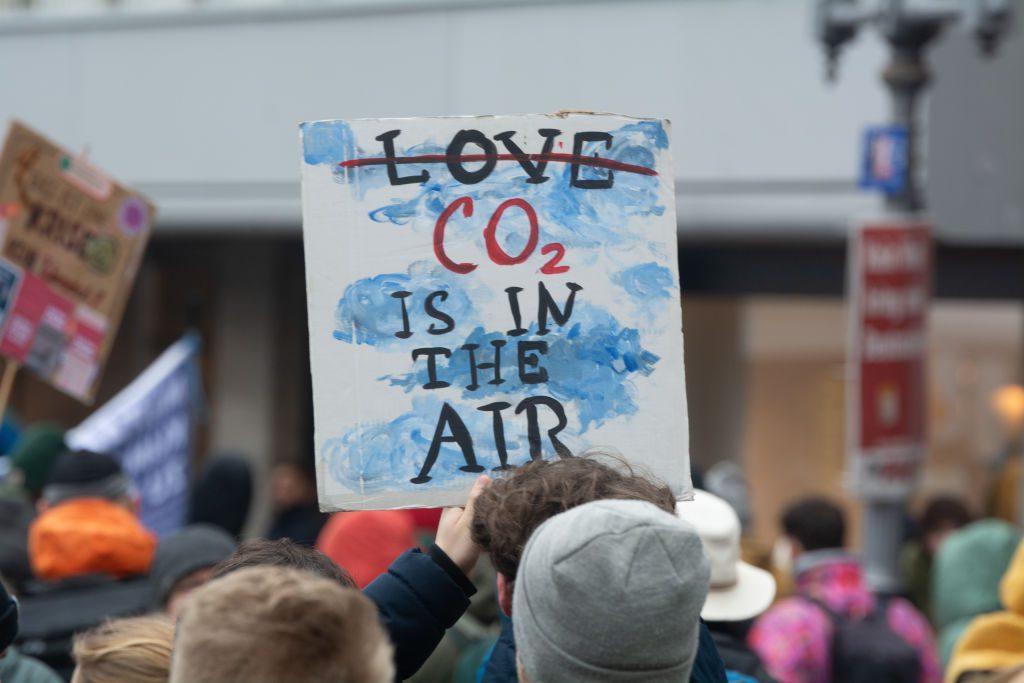
Carbon Brief also described “coordinated attacks” on science by those with “fossil-fuel interests,” and it quoted Jeffrey Qi, policy advisor with International Institute for Sustainable Development’s (IISD) resilience program, saying progress on adaptation was “stuck, stalled or deferred.”C
Inter Press Service added that the Environmental Integrity Group, represented by Switzerland, declared “Science is not negotiable,” urging countries to support the timely publication of future reports by the Intergovernmental Panel on Climate Change (IPCC).
What’s at stake for COP31
Carbon Brief said the GGA text remained unresolved in Bonn, with progress “stuck, stalled or deferred,” and it described how a “fault line” over finance left parties unable to agree on text relating to the “global goal on adaptation” (GGA).C
“progress was “stuck, stalled or deferred””
Carbon Copy said developing countries pushed for formalising the pledge to triple global adaptation finance into formal negotiating text, but it reported resistance from developed nations that led to a deadlock and stalled negotiations on GGA completely.
Climate Home News reported that gridlock meant countries invoked “Rule 16” and that issues would be taken up again at COP31 in Türkiye in November, while it also said the talks ended without agreement on at least three major areas including adaptation and mitigation.
Free Malaysia Today quoted Simon Stiell warning that “We simply cannot afford to re-open previous decisions, to renegotiate existing targets, or to backslide,” and it tied that warning to the Bonn outcome and to COP31 decisions due to start November 9 in Antalya, Turkey.F