USA12 February, 20262 min read
Border czar Tom Homan Ends Minnesota Immigration Crackdown After Mass Detentions, Protests and Two Deaths
Tom Homan announced a drawdown, withdrawing about 700 officers while roughly 2,000 remain Operation led to more than 4,000 arrests and mass detentions across Minneapolis–St. Paul

29 outlets told this the same way.
Outlets did split on Trump Interrupted by Protesters at San Antonio Rally for Ken Paxton →
Operation Metro Surge update
Tom Homan — labeled by multiple outlets as the administration's 'border czar' and in some reports as acting ICE chief — announced a drawdown of the large federal immigration enforcement deployment in the Minneapolis–St. Paul area known as "Operation Metro Surge," saying roughly 700 officers will leave and that enforcement will continue in a more targeted form.
“Former ICE official and current ‘border czar’ Tom Homan said the Minnesota immigration operation known as ‘Operation Metro Surge’ is ending after mass protests and public outrage...”
Sources report the pullback followed mass protests, political pressure and two fatal shootings that intensified criticism of the operation.
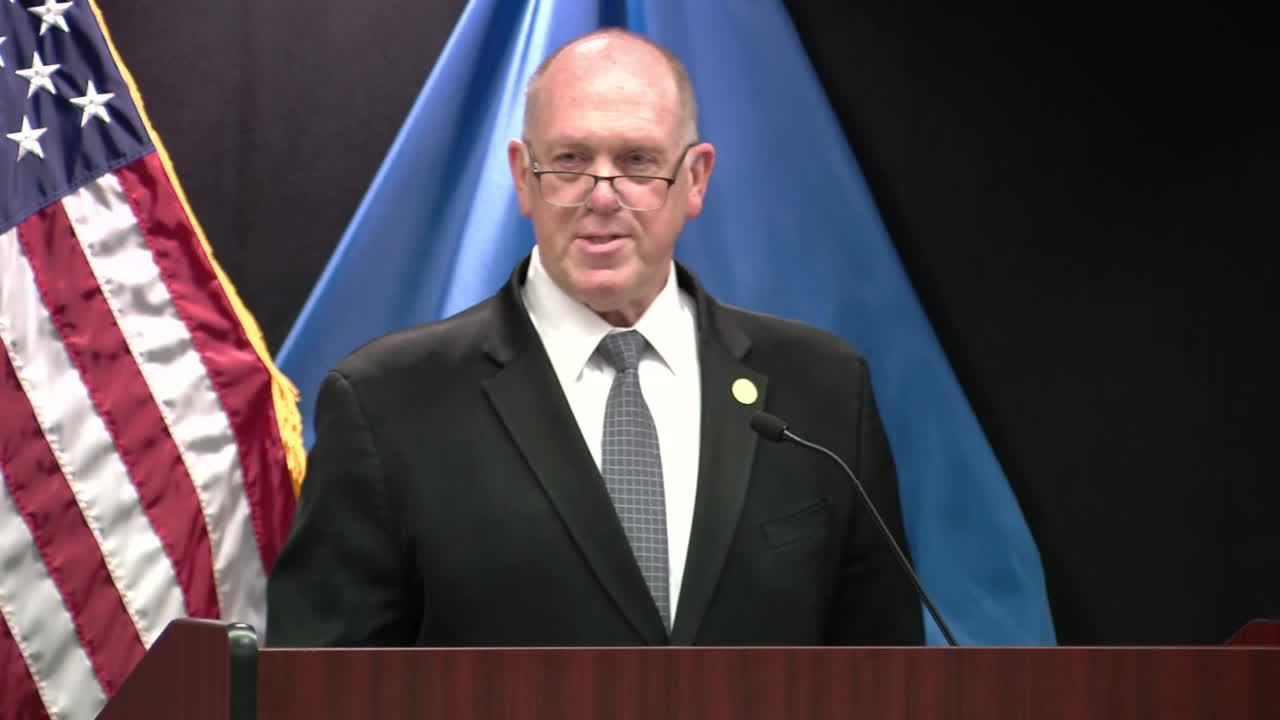
Homan characterized the effort as successful, citing thousands of arrests, while local and state officials described deep community harm and demanded accountability.
Conflicting reports on operation
Homan and several sources cite roughly 4,000 arrests and describe peaks of up to about 3,000 deployed agents. Critics and many local reports stress that numerous detainees reportedly had no criminal records and included children and U.S. citizens. Outlets also vary on the count of how many agents remain: some report about 2,000 staying for now, others emphasize the immediate exit of around 700 agents, and timelines for a full withdrawal differ by report.
Fatal shootings and accountability
Two U.S. citizens identified in numerous reports as Renee Good and Alex Pretti were fatally shot in separate encounters with federal agents during the surge. Those deaths sharply intensified scrutiny and prompted leadership changes and investigations. Outlets report that Border Patrol commander Gregory Bovino was removed or reassigned amid criticism.
“After a series of shootings in Minneapolis–St. Paul — including the Jan. 7 shooting of Renee Good by an ICE officer and the Jan. 24 killing of Alex Pretti by two Border Patrol officers...”
The Justice Department opened a civil-rights probe into at least one shooting. Local officials and activists demanded further accountability.
Reactions to security surge
Local leaders and community members — including Governor Tim Walz and Minneapolis Mayor Jacob Frey — framed the surge as damaging to communities. Federal officials defended the surge as removing dangerous criminals and argued that improved coordination justified scaling back the visible deployment.
Lawmakers pressed DHS officials and some Democrats threatened funding consequences. Several outlets report hearings and congressional scrutiny are underway or likely.

Reactions and operational changes
Some outlets and commentators describe the drawdown as a necessary recovery step and cautious relief for immigrant communities. Strongly critical commentators call for sweeping reforms and criminal accountability for agents' conduct.
“The piece denounces the administration’s tactics as abusive and accuses ICE leadership of lying about de‑escalation.”
Reports note operational changes Homan ordered, including promises of body cameras and 'more surgical' tactics. Independent details about arrests and coordination remain limited in many accounts.