Britain20 November, 20252 min read
Boris Johnson Oversaw 'Toxic' COVID Response That Caused About 23,000 Extra Deaths
About 23,000 additional deaths resulted from a delayed first lockdown Boris Johnson presided over a toxic, chaotic decision-making culture in Downing Street

25 outlets told this the same way.
Outlets did split on UK Police Charge Teddy Young With Spying For Foreign Power, Royal Navy Member →
UK COVID-19 inquiry findings
A public inquiry chaired by Baroness Heather Hallett concluded that the UK government’s early response to COVID-19 was “too little, too late,” and that a roughly one-week delay in imposing the first national lockdown likely cost about 23,000 lives in England during the first wave. The inquiry’s modelling suggested that introducing the lockdown a week earlier (around March 16, 2020, instead of March 23) would have reduced deaths in that wave by about 48% to July 1, 2020. The finding echoes across international and UK outlets, which report the inquiry’s estimate and its central modelling result as a core conclusion of the 800+ page report.
“A delay of about one week in imposing the March 2020 lockdown likely produced roughly 23,000 extra deaths in England; modelling suggests around 48% fewer deaths to 1 July 2020 if lockdown had started seven days earlier.”
Downing Street leadership report
Beyond the numeric estimate, the report is scathing about the culture and leadership at Downing Street under Boris Johnson. Hallett’s inquiry repeatedly describes a 'toxic and chaotic' centre of government and criticises rule-breaking in Downing Street.
It singles out Dominic Cummings as a destabilising influence whose behaviour contributed to marginalising colleagues, particularly women, and to poor decision-making. Several outlets report that the inquiry found Johnson failed to restrain or address Cummings’s conduct and that this behaviour helped create fear, mistrust and indecision in the prime minister’s office.
Pandemic response inquiry
The inquiry criticises failures of urgency, preparedness and intergovernmental coordination. It describes February 2020 as a "lost month" and notes there was no prime-minister-chaired COBRA/COBR meeting until early March. The inquiry says ministers and advisers missed opportunities to use earlier voluntary measures.
“Ministers missed opportunities to rely on earlier voluntary measures ... by the time decisive action came lockdown was inevitable.”
Several sources report the inquiry rejected the idea that the March 23 lockdown itself was wrong, arguing instead that the delay made lockdown inevitable and cost lives. The British Medical Association and other participants emphasise the need to strengthen preparedness, testing, PPE stockpiles and decision-making structures.
UK devolved government tensions
The report highlights strained relations across the UK's four governments and criticises choices made by devolved administrations. It records tensions between then-PM Boris Johnson and devolved leaders that undermined coordination and trust. The report criticises Scotland's pursuit of a zero-Covid approach as inappropriate and destined to fail, according to some outlets.
It details distress caused by apparent breaches of rules, such as the political controversy in Northern Ireland over a funeral attendance, which eroded public confidence. Different outlets place varying weight on these devolved-government findings and on references to specific political figures.
Inquiry reactions and recommendations
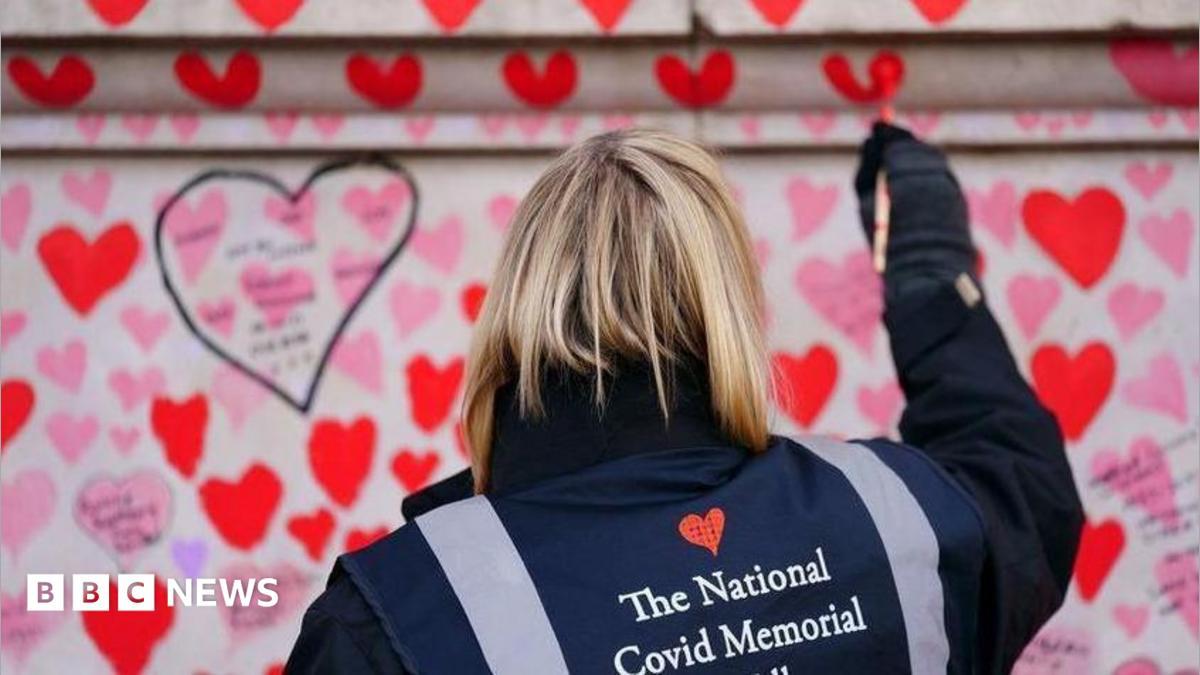
Bereaved families called the findings devastating, and professional bodies such as the British Medical Association described the impact as 'catastrophic' and urged reforms. The inquiry made a string of recommendations, including clearer emergency decision-making, better intergovernmental communication, broader scientific representation, and reforms to preparedness and PPE stockpiling.
“Recommendations include better assessment of impacts on the most at‑risk, broader scientific representation ... clearer emergency decision‑making structures and improved intergovernmental communication.”
The report praises the vaccine rollout and cautions about the complex trade-offs faced by decision-makers. Some outlets also note the inquiry's high financial and investigative scale, citing thousands of documents and hundreds of witnesses, which underlines the report's breadth and the political stakes of its conclusions.