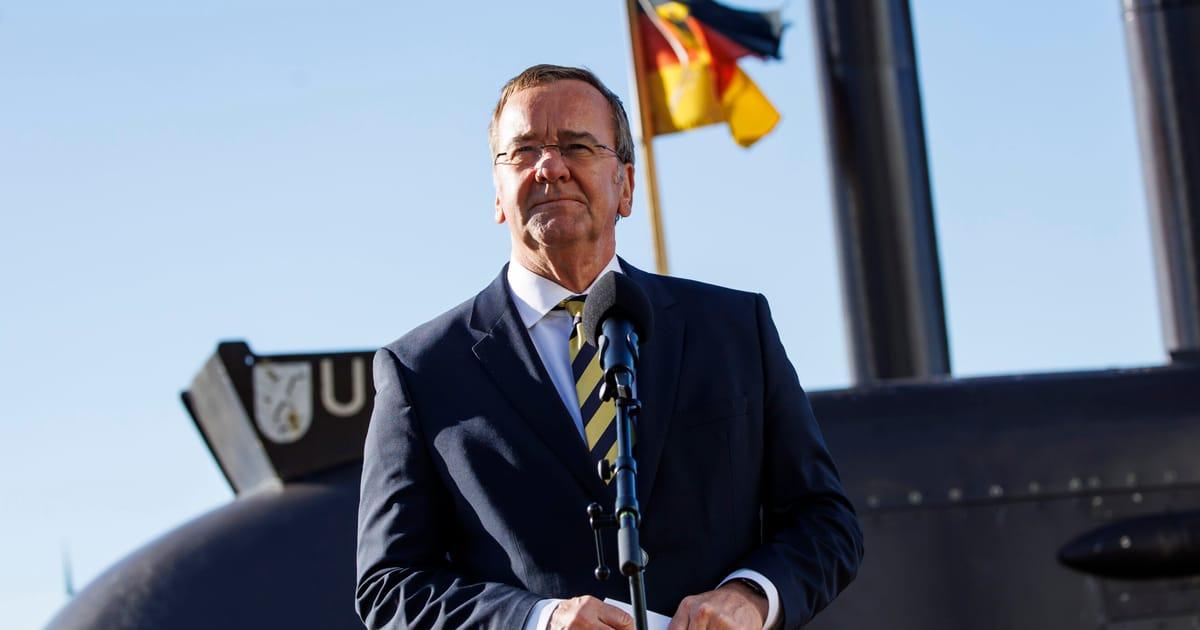
Full story
Troop cuts and NATO
Germany’s defense leadership moved to contain fallout from a U.S. troop drawdown plan, with German defense minister Boris Pistorius stressing that “If we are to remain transatlantic, we must strengthen the European pillar within NATO.”
““If we are to remain transatlantic, we must strengthen the European pillar within NATO.””
Pistorius said, “It was anticipated that the U.S. might withdraw troops from Europe, including Germany,” as he responded to the plan to withdraw American troops.

POLITICO reported that NATO said it was “working with the U.S. to understand the details” of the Pentagon’s decision, while NATO spokesperson Allison Hart said the move “underscores the need for Europe to invest more in defense.”
The POLITICO account also said the Pentagon’s announcement would still leave around 33,000 U.S. troops in Germany, reversing a buildup that began under President Joe Biden.
In the same POLITICO report, a European Commission spokesperson described the U.S. military footprint in Europe as a “significant contribution to NATO deterrence and defense” and said it formed the “foundation of collective defense for 23 EU Member States who are also Allies” in NATO.
The report further stated that EU countries were meeting NATO commitments by increasing military spending at “an unprecedented pace,” while Pentagon spokesperson Sean Parnell said U.S. Defense Secretary Pete Hegseth ordered the withdrawal in response to “conditions on the ground.”
Timeline and remaining forces
POLITICO’s account tied the troop drawdown to a specific U.S. decision process and a projected completion window, saying Pentagon spokesperson Sean Parnell stated that “We expect the withdrawal to be completed over the next six to 12 months.”
The report said the Pentagon’s announcement would still leave around 33,000 U.S. troops in Germany, and it described the drawdown as reversing a buildup that began under President Joe Biden.
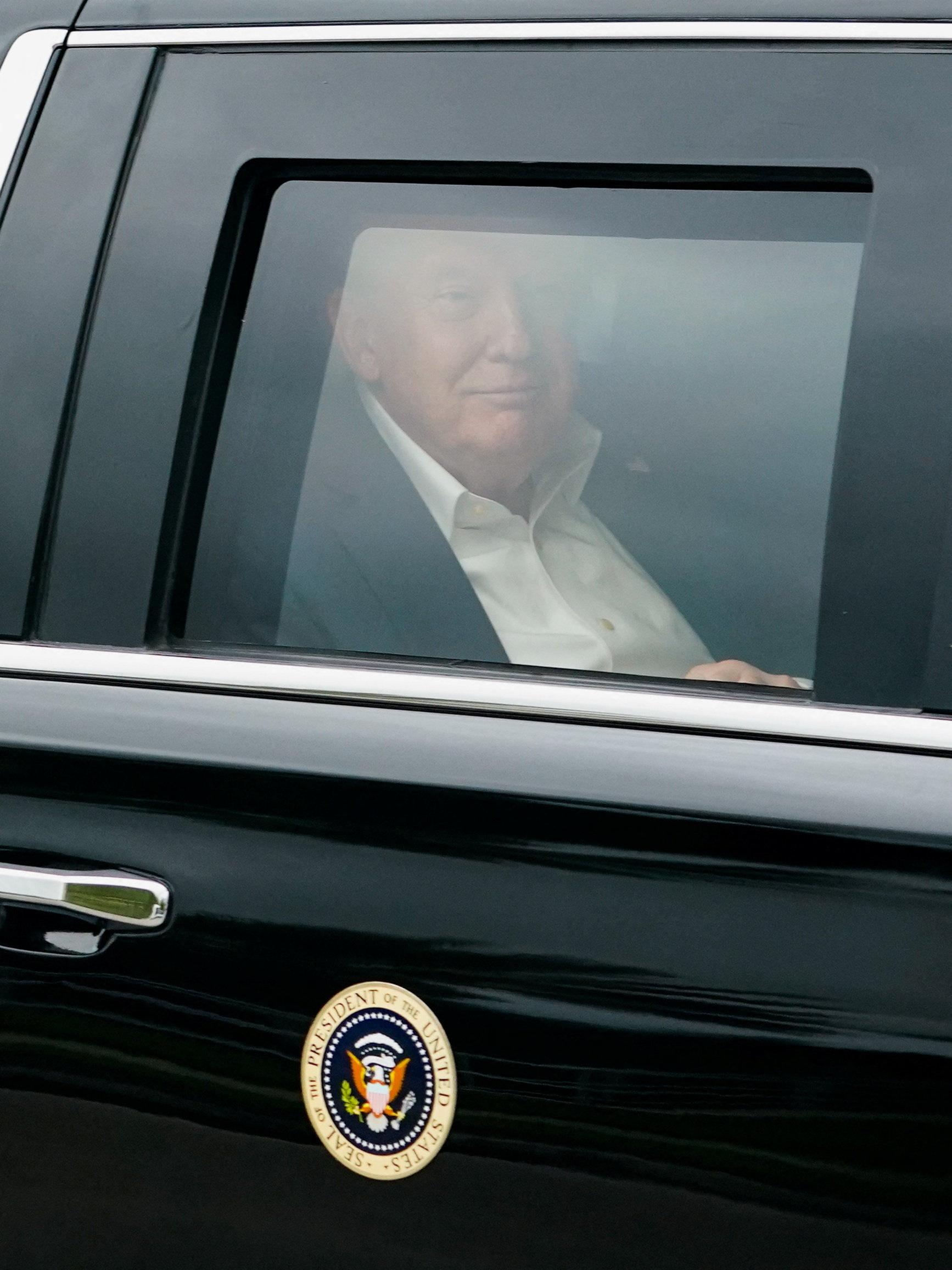
It also placed the decision in the context of a public row involving German Chancellor Friedrich Merz, who said the U.S. was being “humiliated” by Iran.
POLITICO said the U.S. President Donald Trump had threatened a drawdown in U.S. troops amid that row, and it reported that Trump had also threatened to remove U.S. troops from Spain and Italy.
The POLITICO report said Madrid and Rome, like Berlin, have been critical of the U.S.-Israel war on Iran, and it added that both Spain and Italy have denied U.S. military planes taking part in the Iran war from using their bases.
In the same POLITICO narrative, Trump’s remarks to reporters in the Oval Office on Thursday included that he would “probably” remove American troops from the two southern European countries, and he said Italy had “not been of any help to us,” while accusing Spain of being “absolutely horrible.”
The report also said a NATO spokesperson’s framing and the European Commission’s description of deterrence were paired with a Pentagon explanation that the withdrawal followed “conditions on the ground” after reviewing U.S. troop buildup in Europe.
Alliance strain and reactions
The POLITICO report described a broader strain in Europe-U.S. relations, quoting Polish Prime Minister Donald Tusk as deploring a “disastrous trend” in an X post on Saturday.
“deplored the"disastrous trend"in Europe-U.S. relations”
Tusk’s statement in the POLITICO account said, “The greatest threat to the transatlantic community [is] the ongoing disintegration of our alliance,” and it added, “We must all do what it takes to reverse this disastrous trend.”
It also reported that Trump had threatened to remove U.S. troops from Spain and Italy in renewed attacks against Spanish Prime Minister Pedro Sánchez and Italian leader Giorgia Meloni, with Madrid and Rome denying that U.S. military planes taking part in the Iran war used their bases.
In Germany, the POLITICO piece said Merz publicly wondered if he could have handled Trump better, while also stating that he doesn’t plan to change his style to be more “polished.”
The report also included a line about German authorities saying the suspect gathered intelligence on military aid to Ukraine and eyed potential sabotage targets, connecting the troop debate to security concerns.
Alongside these reactions, the POLITICO narrative said the European Commission spokesperson described the U.S. military footprint as a “foundation of collective defense for 23 EU Member States who are also Allies” in NATO, and it said EU countries were increasing military spending at “an unprecedented pace.”
NATO’s spokesperson Allison Hart, in the same account, said the drawdown “underscores the need for Europe to invest more in defense,” reinforcing the alliance-management message from Pistorius.
Hormuz and “humanitarian gesture”
While the POLITICO report focused on Europe’s defense posture and U.S. troop levels, the GMA Network article carried a separate U.S. move tied to the Strait of Hormuz, with President Donald Trump saying the United States would begin an effort to free up ships stranded in the Strait of Hormuz on Monday morning.
The GMA Network text said Trump made the announcement in a post on his Truth Social site and gave few details about the operation, including whether the U.S. Navy would be involved.
Trump described the effort as a “humanitarian gesture” meant only to aid neutral countries that were not involved in the US-Israeli war on Iran.
In the same GMA Network account, Trump wrote, “For the good of Iran, the Middle East, and the United States, we have told these Countries that we will guide their Ships safely out of these restricted Waterways, so that they can freely and ably get on with their business,” and the article noted that the White House and the Pentagon did not immediately respond to requests for additional information.
The GMA Network piece also repeated the same core details in a second block of text, again stating that Trump said the U.S. would begin the effort on Monday morning and again repeating the “humanitarian gesture” framing.
Taken together with POLITICO’s account of Trump’s threats to withdraw troops from European countries, the Hormuz effort added another strand to the U.S. posture described in the sources.
However, the sources did not connect the Hormuz operation to any specific European country in the text provided, beyond referencing the “Middle East” and the “United States.”
What’s at stake next
Across the POLITICO and GMA Network accounts, the stakes described in the sources center on alliance cohesion, deterrence, and operational continuity as the U.S. adjusts its posture.
““foundation of collective defense for 23 EU Member States who are also Allies””
POLITICO quoted a European Commission spokesperson saying the U.S. military footprint in Europe was a “significant contribution to NATO deterrence and defense” and formed the “foundation of collective defense for 23 EU Member States who are also Allies” in NATO, while also stating that EU countries were increasing military spending at “an unprecedented pace.”
NATO spokesperson Allison Hart said the troop move “underscores the need for Europe to invest more in defense,” and POLITICO reported that NATO was “working with the U.S. to understand the details” of the Pentagon’s decision.
The POLITICO report also said the Pentagon spokesperson Sean Parnell stated, “We expect the withdrawal to be completed over the next six to 12 months,” and it described the drawdown as potentially taking years and costing billions, though those latter details were presented as part of the POLITICO narrative.
In parallel, the GMA Network article described Trump’s effort to guide ships out of “restricted Waterways” as a “humanitarian gesture,” while noting that the White House and the Pentagon did not immediately respond to requests for additional information.
POLITICO’s account also included political backlash language from Donald Tusk, who said the “ongoing disintegration of our alliance” was the “greatest threat,” and it urged reversal of the “disastrous trend.”
The sources further show that the troop debate is entangled with the U.S.-Israel war on Iran, since POLITICO said Merz’s row with Trump involved claims about Iran and the GMA Network said the Hormuz effort was meant only for neutral countries not involved in the US-Israeli war on Iran.