
Brazil Condemns Reported Iran Ban On Paulo Coelho Works, Culture Minister Ana De Hollanda Says
Key Takeaways
- Brazil's Culture Ministry condemned Iran's ban on Paulo Coelho's works.
- Iran banned all Paulo Coelho publications in the country.
- Tehran University professor aligned with IRGC called Brazil weak on Iran's conflict.
Coelho ban sparks Brazil
Brazil’s Ministry of Culture condemned a reported ban on the publication of all works by Brazilian author Paulo Coelho in Iran, after Coelho wrote on his personal blog that he “strongly hope[s] that this misunderstanding will be resolved this week.”
“Brazil's criticism of the 'ban' on Paulo Coelho's works in Iran Following the news of the ban on the publication of all works by the famous Brazilian author Paulo Coelho in Iran, the Brazilian Ministry of Culture has condemned the move”
Coelho said his books, including “The Alchemist,” have been reprinted many times in Iran, and he wrote that Arash Hejazi told him that “based on a unilateral decision” after 12 years his books have been banned from publication.

BBC reported that Iranian authorities have not yet confirmed or denied the news, while Coelho said his friends told him that “no book bearing the name Paulo Coelho can be published in Iran.”
Brazil’s Minister of Culture Ana de Hollanda said on Monday that she would coordinate with the country’s foreign minister, adding: “From a cultural perspective, all I can say is that censorship is a despicable act.”
French minister on nuclear
In an interview with the French publication LE CLUB, French defense minister Sébastien Lecornu said he believes Iran’s nuclear program is “Three sites were targeted,” adding that Natanz was “largely damaged” and that “Isfahan and Fordow were seriously affected and seriously damaged.”
The Khabar Online account of the interview also quotes Lecornu saying “60 percent enriched uranium has no civilian use,” and that Iranian control over technology in military nuclear energy has been “significantly strengthened for 15 or 20 years.”
Lecornu argued that “Removing a few more scientists does not destroy their knowledge, but at most creates a space of fear and delays the program,” and he said a nuclear warhead without a delivery vector is “nothing.”
He linked the current posture to the JCPOA, saying “Trump’s decision in 2018, in his first term, to tear up the Iran nuclear deal and reimpose sanctions, had the opposite effect. Iran accelerated its agenda.”
Iran’s stance and stakes
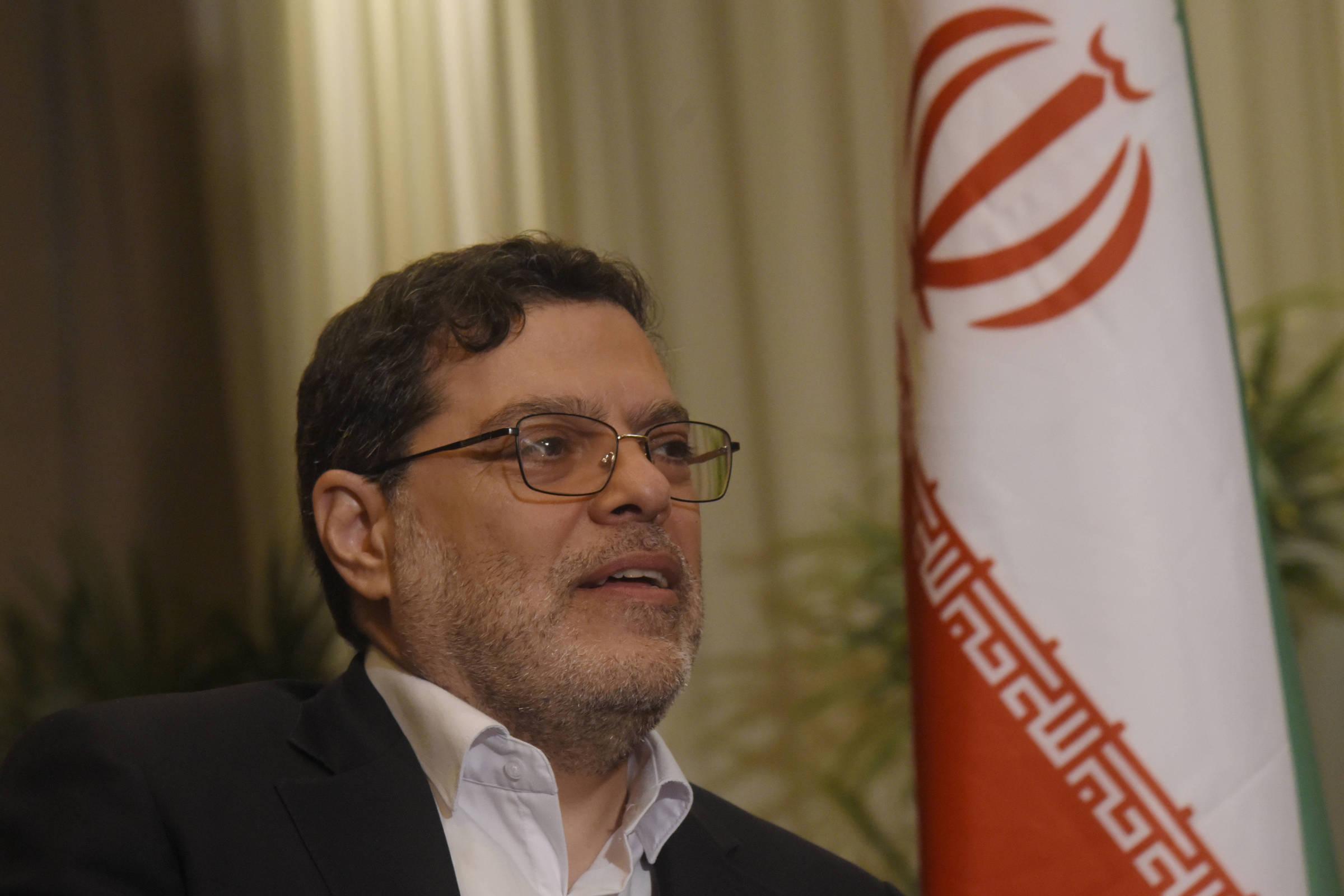
A professor affiliated with the Revolutionary Guards, Mohammad Marandi, told Folha de S.Paulo that Brazil is a weak country and that Iran has “no expectation that it can do anything to help in finding a solution to the conflict.”
“According to Khabar Online, Sébastien Lecornu, the French defense minister, in a fresh interview addressed issues such as Iran's nuclear program, the recent discussions between Emmanuel Macron, the President of France, and Vladimir Putin, the President of Russia, about Iran, the war in Ukraine, and the crimes of the Zionist regime and the United States against Iran”
Marandi said the Strait of Hormuz is under Iran’s control and that “That was a decision made and there is no turning back,” framing control as security rather than tolls.
He also set red lines for negotiations, saying “A ceasefire is a red line” and that “The right of Iran to enrich uranium is a red line,” adding that Iran is “prepared to go back to war over this.”
Marandi argued that “We will survive indefinitely” under economic pressure, and he said “We are prepared to go back to war over this” while describing the United States and Israel as “ruthless” and “brutal.”
More on Iran
U.S. Strikes Iran After Trump Says Ceasefire Is Over, Iran Hits U.S. Allies
22 sources compared
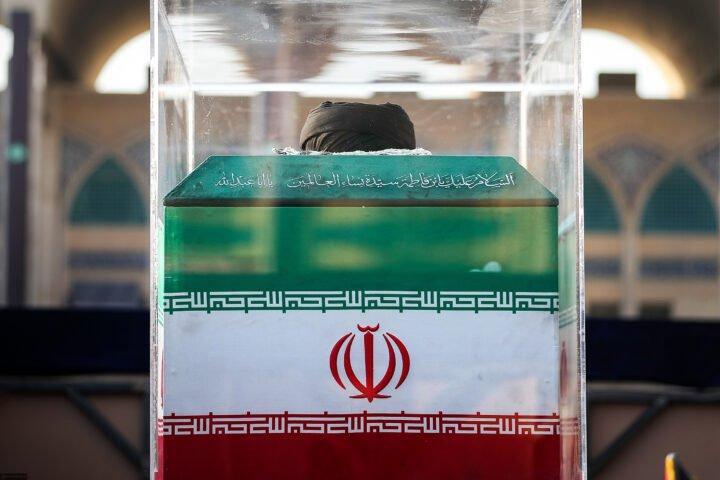
Israeli-American Attack Killed Ayatollah Ali Khamenei as His Body Was Buried in Mashhad
23 sources compared
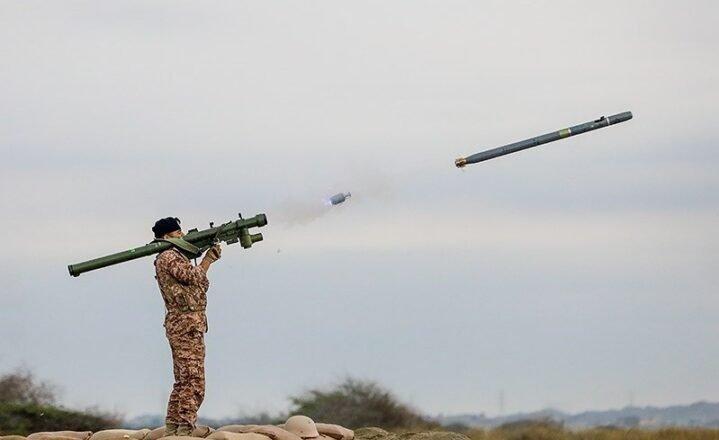
United States Strikes Hit Bushehr as Iran Says 14 Killed in Past Two Days
17 sources compared

Iran Launches More Strikes After US Attacks Hit Southern Iran, US Central Command Says
36 sources compared