Technology and Science23 November, 20252 min read
Brazil Forces COP30 To Deliver Finance Boost While Blocking Fossil Fuel Phase-Out
Developed countries pledged to at least triple climate finance for developing countries' adaptation Final COP30 text omitted any call to phase out fossil fuels, sparking international criticism
19 outlets told this the same way.
COP30 Belém compromise
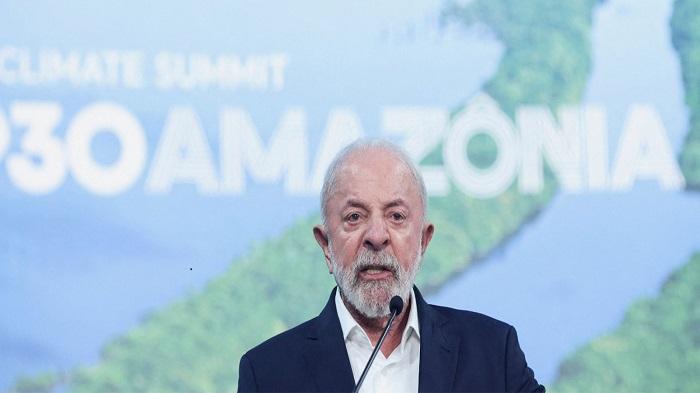
COP30 in Belém ended in a Brazil-driven compromise that pushed a significant finance package while avoiding any explicit language to phase out fossil fuels. The summit’s final text and the related Global Mutirão/Belém Political Package emphasized scaling up adaptation finance and conservation but stopped short of any formal goal or a mandated fossil-fuel phase-out.
Multiple reports note the presidency pressed through a compromise after fractious, late-night negotiations. Brazil’s role was presented as decisive in shepherding the package to adoption even as the omission on fossil fuels provoked sharp criticism from a number of delegations.

Belém adaptation finance boost
A central deliverable from the Belém package was a call for a large boost to adaptation finance aimed at vulnerable countries, with final texts asking wealthy nations to at least triple adaptation finance by 2035. Reports described the target as intended to raise adaptation funding from roughly $40 billion now to a much larger sum by 2035, though outlets quantified the figure differently. Press coverage flagged the target as a key gain for the Global South, even as some developing-country delegates said faster, grant-based, and loss-and-damage financing remained insufficient.
Voluntary post-COP roadmaps
Delegates failed to reach consensus on an official fossil-fuel phase-out or a binding forest-protection roadmap. Brazil's presidency announced voluntary, non-binding parallel roadmaps to be developed over the coming year for both deforestation and a 'just, orderly and equitable' fossil-fuel transition.
Coverage notes these roadmaps are intended to be inclusive, engaging producing and consuming countries, industry, workers, academics and civil society. Critics warned that a voluntary, post-COP process risks being weaker and less accountable than formal UN text would have been.
Geopolitical divides over fossil fuels
Negotiations exposed sharp geopolitical divides: a coalition of more than 80 countries and the EU pushed for explicit fossil-fuel phase-out language, while oil- and gas-producing states and some emerging economies—named variously as Saudi Arabia, Russia, the Arab Group, China, India and others—blocked that text.
Reports attribute the lack of consensus to pushback from fossil-fuel-dependent delegations and to trade and finance disputes that made negotiators wary of binding language that could be seen as a covert trade or development restriction.
Belém summit reactions
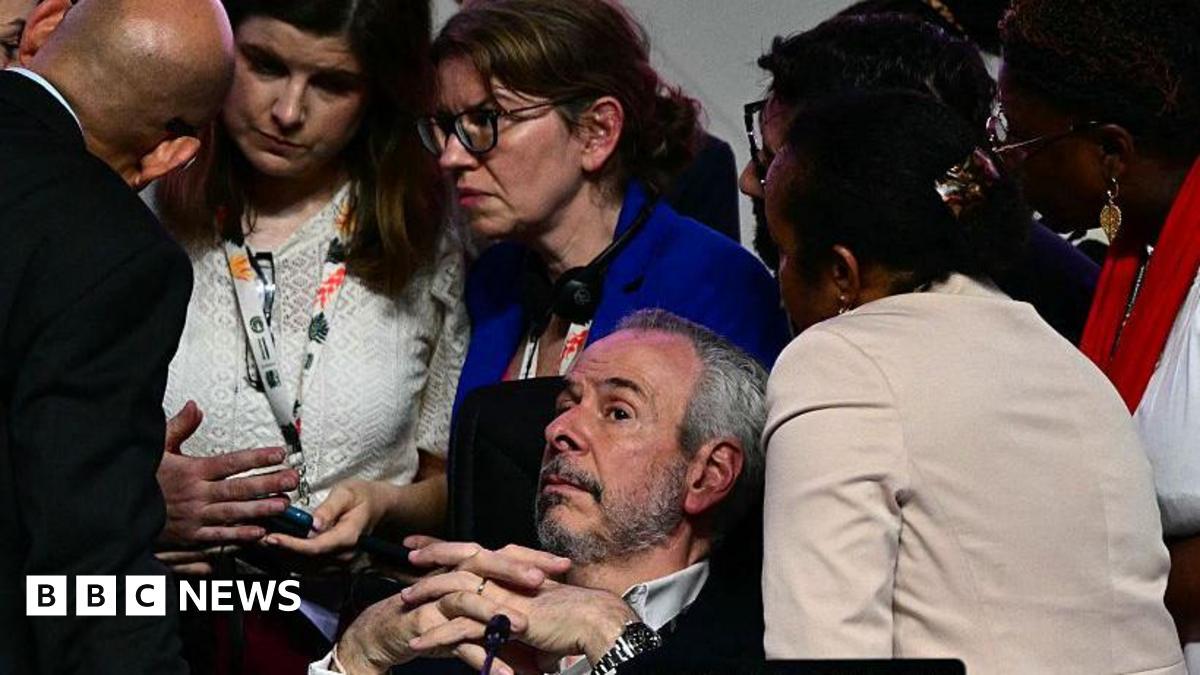
Responses to the Belém outcome were mixed and often sharp. Organizers and some delegations hailed the finance and implementation mechanisms as forward movement. Scientists, campaigners, Indigenous groups and countries such as Colombia and Panama publicly condemned the omission of fossil-fuel language.
“Observers welcomed the finance focus but warned the summit failed to deliver on faster, targeted support for loss and damage.”
Coverage also noted practical signs of a fractious summit, including late-night sessions, session suspensions, Indigenous protests and the absence of a U.S. national delegation. Reporters quoted leaders who warned the package "falls well short of what science requires."
