South America30 October, 20253 min read
Brazilian Police Decapitate Teen Gangster and Display Head as Trophy in Deadliest Favela Raid
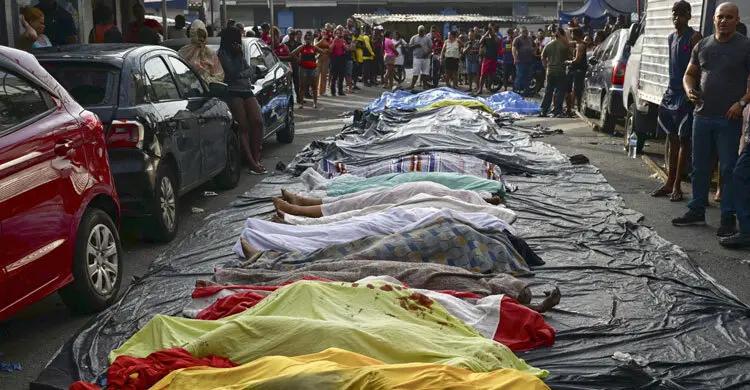
Police raid in Rio's favelas killed at least 119 people, including four officers Officers allegedly decapitated a teenage gangster and displayed his head publicly

11 outlets told this the same way.
Outlets did split on Alexandre de Moraes Orders Eduardo Bolsonaro Arrest, Cancels Passport, Enforces Four-Year Sentence →
Deadly Police Raids in Rio
Rio de Janeiro police launched raids against the Red Command/Comando Vermelho in the Penha and Alemão areas. Multiple outlets describe this as Brazil’s deadliest favela operation. There are allegations that officers decapitated a 19-year-old and hung his head from a tree as a warning.
“Police in Rio de Janeiro allegedly decapitated a 19-year-old suspected gang member and displayed his head on a tree as a warning during a violent crackdown on the Red Command gang ahead of the COP30 Climate Summit.”
Reported death tolls vary by outlet, with several stating at least 119 people died, including four police officers. One account claims about 132 people were killed, surpassing the Carandiru prison massacre. Sources describe gangs using drones to attack police during intense gunfights.
The crackdown is framed as connected to preparations ahead of the COP30 climate summit. Authorities are accused of extreme brutality during the operation. Police are depicted as targeting drug traffickers in a sweeping operation sparked by a lengthy investigation.
Reports of Police Brutality
Allegations of extreme brutality dominate the coverage. Multiple outlets report claims that police beheaded a teenage suspect and displayed the head in public. Bereaved families and residents allege execution-style killings, burn marks, and victims found tied up.
One mother is quoted condemning police for executing her son without any chance to defend himself. Activists separately reported discovering about 15 bodies with signs of execution-style killings and described the event as a brutal massacre. These reports have prompted demands for independent investigations.
Security Operation and Political Tensions
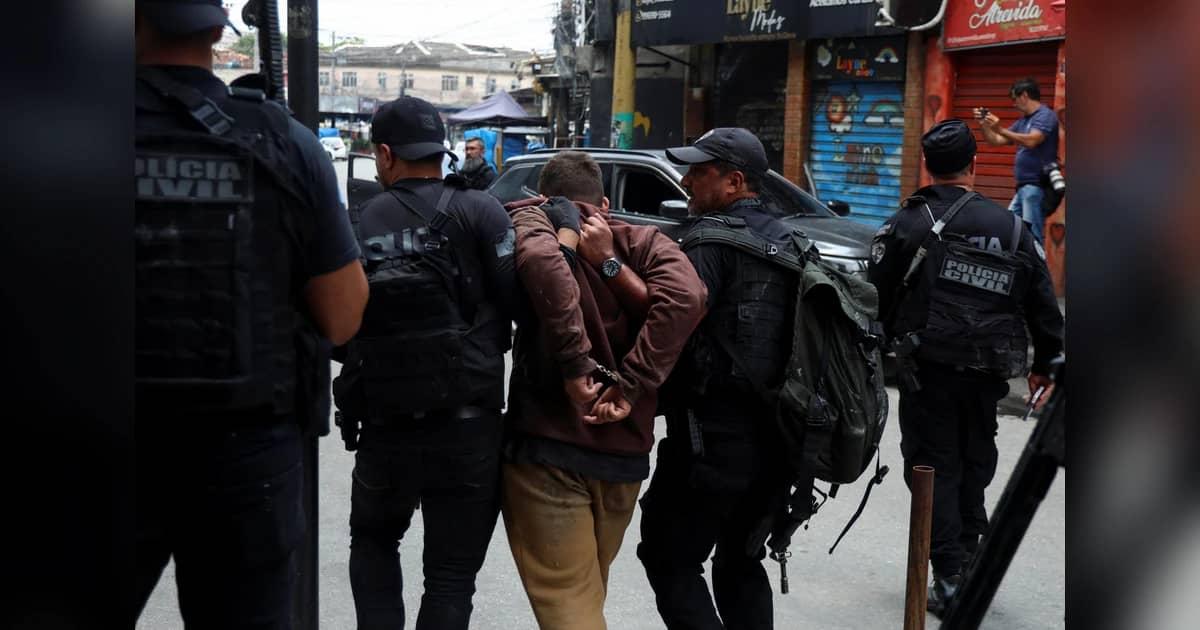
Authorities portray the operation as a strike on gang leadership amid escalating tactics like drone-bomb attacks on police. Critics demand accountability for the conduct of the raids. Police and officials argue that suspects resisted and describe the raids as a war against narco-terrorism.
“Rio’s security chief described the operation as a successful war against 'narco-terrorism,' stating suspects killed had resisted police.”
National institutions and the U.N. are pressing for detailed information, autopsies, and adherence to democratic and human-rights standards. Reports highlight political friction between Rio’s governor and the federal government over support for public security. The Justice Ministry points to ongoing cooperation and efforts to combat financial crime despite the tensions.
Security Measures Ahead of COP30
Several reports link the timing of the operation to the upcoming COP30 climate summit. The summit is drawing international attention and prompting a security clampdown. Some outlets highlight Prince William’s expected attendance at the event.
AP News reports that the operation led to school closures, university class cancellations, and road blockades. Tabloids and some mainstream media focus more on the optics of the summit and the display of force.
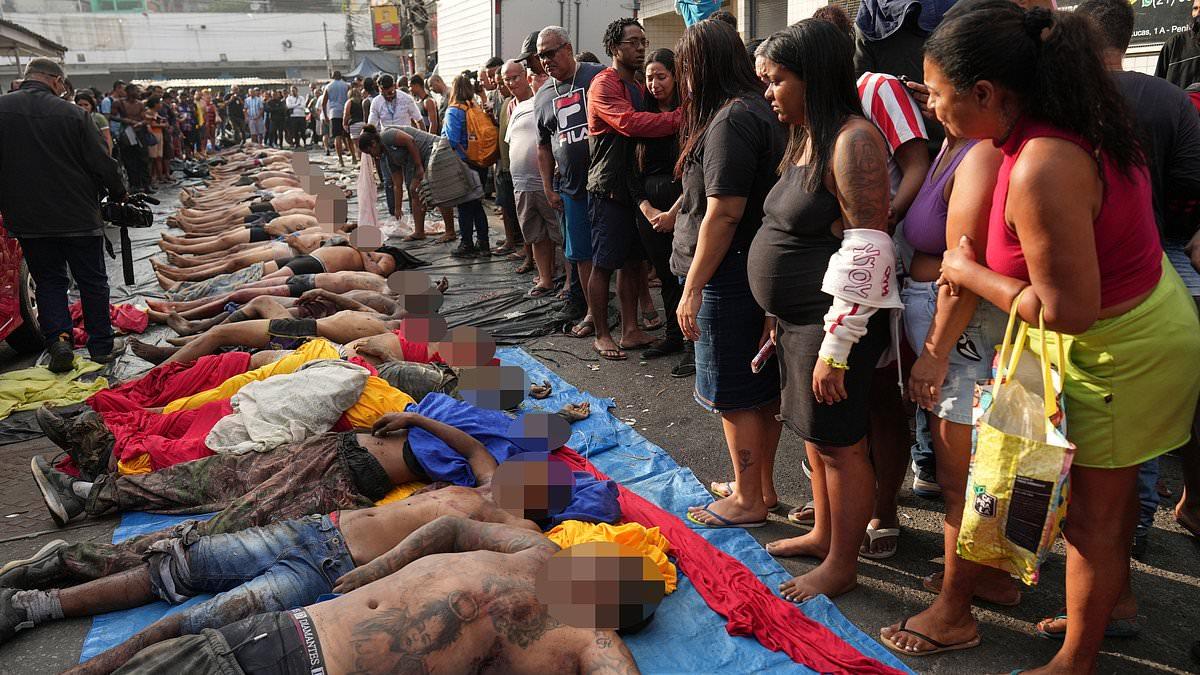
Across various outlets, the drone warfare, mass casualties, and alleged executions have increased fear in Rio’s poorest neighborhoods. These events have also raised concerns about the protection of civilians.
Controversy Over Deadly Raids
What remains unsettled are the full death toll, precise circumstances of many killings, and the decapitation allegation—issues now at the center of calls for autopsies and independent probes. AP News reports experts doubt the effectiveness of such raids as gangs expand, while Rio’s security chief maintains the suspects who died resisted in a war against narco-terrorism.
“Experts argue that despite these raids, criminal gangs continue to expand their influence, suggesting the operations may be ineffective.”
Mainstream and tabloid outlets alike carry families’ claims of execution-style killings and, in some cases, decapitation, but independent confirmation is not provided in the cited reports. The spread between 119 and about 132 deaths, and the clash between ‘brutal massacre’ claims and official justifications, underscores the need for verified investigations.