South America28 October, 20252 min read
Brazilian Police Execute Over 130 in Favela Raid and Decapitate Teenager to Intimidate Residents
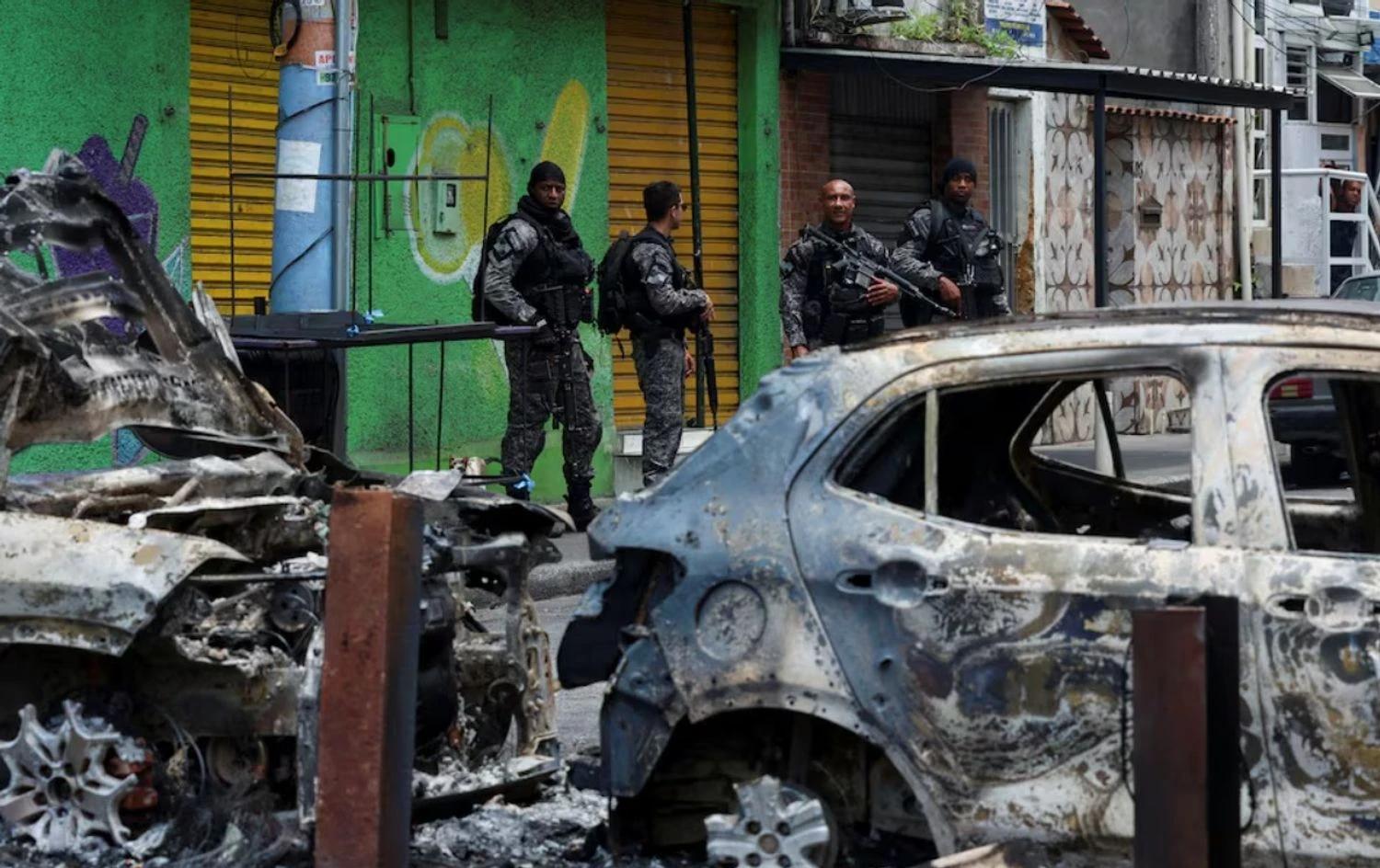
Police conducted a massive raid in Rio's favelas killing over 130 people, including four officers. The operation targeted the Comando Vermelho gang using 2,500 personnel, helicopters, and armored vehicles.
78 outlets told this the same way.
Outlets did split on Alexandre de Moraes Orders Eduardo Bolsonaro Arrest, Cancels Passport, Enforces Four-Year Sentence →
Deadliest Police Raid in Rio
Brazil’s largest-ever police raid targeted the Comando Vermelho (Red Command) in Rio de Janeiro’s Penha and Alemão favelas. Reports placed the death toll between 119 and 132, surpassing the 1992 Carandiru prison massacre and marking the deadliest police action in the city’s history. Initial official counts of around 60–64 dead later rose sharply, with the Rio public defender’s office cited for the 132 figure.
“Initial reports of 64 deaths, including four police officers, later rose to 132, surpassing the 1992 Carandiru prison massacre death toll.”
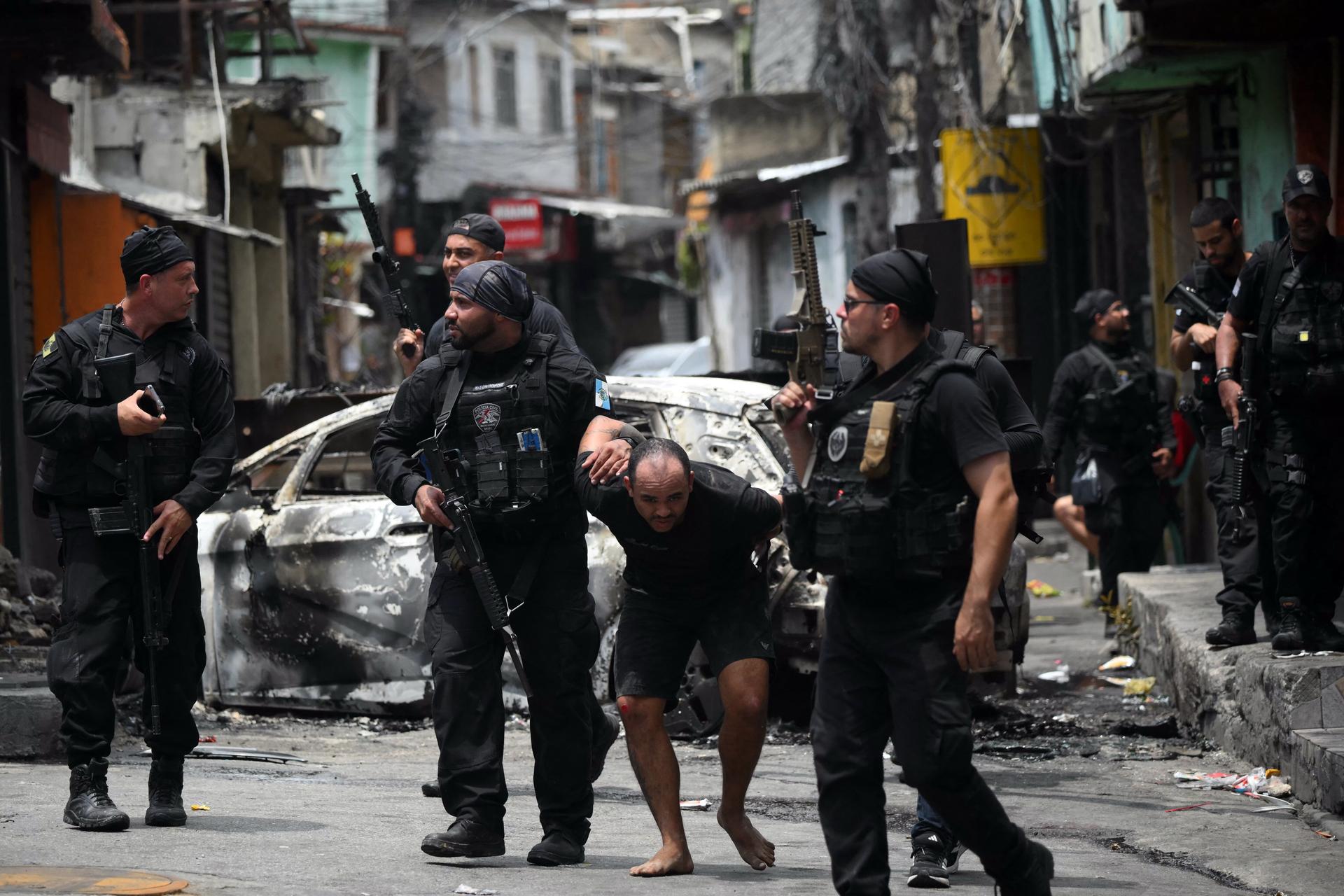
The operation involved roughly 2,500 officers and left bodies in streets and nearby forests, provoking outrage from residents and condemnation from the United Nations. Authorities framed the mission as necessary to confront heavily armed criminals, while critics accused police of summary executions and mass killings.
Allegations of Police Violence
Allegations of extrajudicial killings and brutal intimidation tactics intensified the public outcry. Multiple outlets report claims that police decapitated a teenager and hung the head from a tree as a warning—accounts echoed in both tabloid and mainstream reporting. Activists describe execution-style killings and severe disfigurement among the dead.
Families and rights groups denounced the raid as a massacre, with some using the term “genocide.” Authorities maintain those killed were armed criminals and say the clashes occurred in wooded areas away from bystanders.
Urban Raid and Its Impact
The raid unfolded like urban warfare, with authorities deploying helicopters, armored vehicles, and demolition gear. Gang members retaliated with gunfire, arson, and drones dropping explosives. Roads were blocked using roughly 70 stolen buses, schools and universities were closed, and residents were urged to stay indoors.
“Gang members retaliated against a deadly police raid... by blocking roads with about 70 stolen buses... In the aftermath, 46 schools were closed... and residents were advised to stay indoors.”
Officials and some media outlets described the conflict as 'narco-terrorism' and emphasized large seizures, including dozens of rifles and significant drug quantities. Over a hundred arrests were made across various accounts. Human rights groups condemned the heavy toll the operation took on marginalized communities.
Reactions to Security Raid
Political fallout was immediate following the raid. Al Jazeera reports that Brazil’s Justice Minister said President Lula was horrified and unaware beforehand. The UN chief called for adherence to international human rights standards and a prompt investigation.
Santa Fe New Mexican notes that the Supreme Court, prosecutors, and NGOs pressed for probes and reforms. The Boca Raton Tribune and Bangkok Post highlight UN Human Rights’ condemnation and federal discussions to bolster security.

In contrast, state officials defended the raid. Rio’s governor asserted it targeted armed criminals and that the clashes occurred away from bystanders.
Debate Over Policing Tactics
Beyond the immediate carnage, a deeper debate has erupted over strategy, discrimination, and timing. CBC reports rights groups calling the raid a “policy of extermination” that endangers Black and poor communities. These groups echo NPR’s criticism that such operations disproportionately target low-level criminals without addressing root causes.
“The Marielle Franco Institute condemned the operation as not constituting a genuine public safety policy and described it as a policy of extermination that endangers Black and poor communities, likening their situation to playing Russian roulette.”
Australian Broadcasting Corporation adds that the approach is overly militarized and ineffective. Telegraph India and other outlets note that these crackdowns frequently precede major international events, fueling suspicion over political and public relations motives. Protests, public displays of bodies, and calls for the governor’s resignation highlight how the favelas experience what activists describe as war-zone policing.
