Crime06 December, 20252 min read
Brian Cole Jr. Appears in Court After Prosecutors Charge Him With Planting Pipe Bombs Outside Democratic and Republican Party Headquarters on Eve of Jan. 6
Brian Cole Jr. arrested and charged with planting two pipe bombs on Jan. 5, 2021 Surveillance footage, cell‑tower and purchase records linked him to the pipe‑bomb placements
46 outlets told this the same way.
Jan. 5 pipe-bomb case
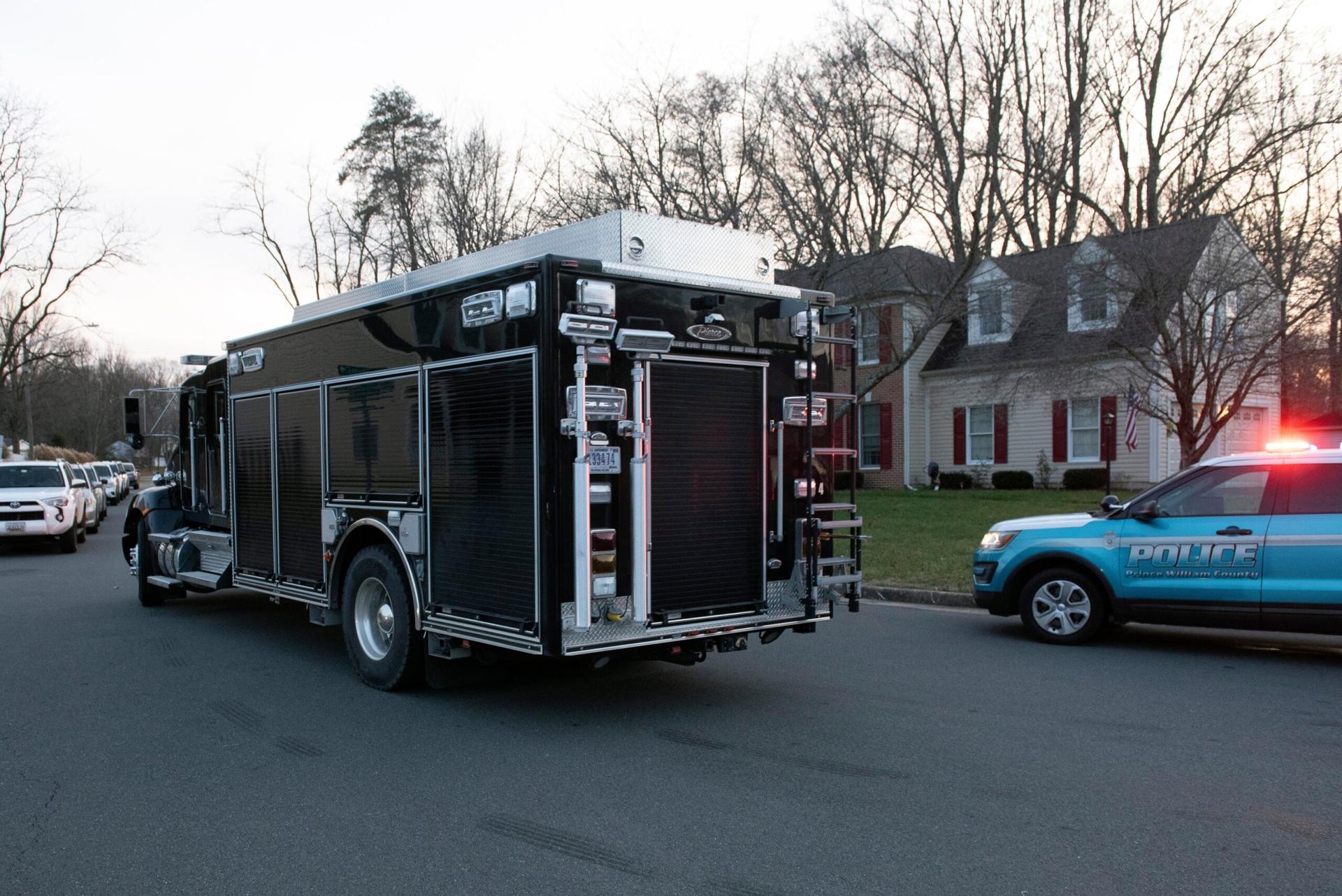
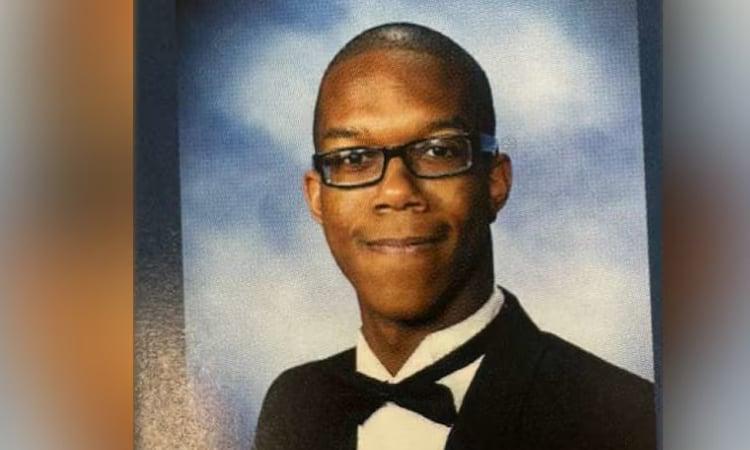
Brian Cole Jr., 30, of Woodbridge, Virginia, was arrested and made his first federal court appearance after prosecutors charged him with planting two pipe bombs outside the Republican and Democratic National Committee headquarters on the evening of Jan. 5, 2021, the night before the Capitol attack.
“Brian Cole Jr., 30, of Woodbridge, Va., made his first court appearance Friday on charges that he planted pipe bombs outside the Republican and Democratic national party headquarters in Washington, D.C., on the eve of the Jan. 6, 2021, attack on the U.S. Capitol.”
Court reports say he did not enter a plea and was ordered held pending a detention hearing; family members attended the hearing, with some shouting support.

Multiple outlets identified Cole after the arrest and reported he was expected to face federal explosives charges in Washington, D.C.
Explosive device charges
Prosecutors charged Cole with federal explosives offenses tied to two viable improvised devices that were placed near both party headquarters and later rendered safe by bomb squads. Media descriptions of the devices are consistent: each was roughly a 1x8-inch pipe fitted with wiring, a battery and a kitchen timer, packed with homemade black powder, and authorities said the bombs were viable and could have caused serious injury or death. Federal filings reportedly include counts such as transporting an explosive device in interstate commerce with intent to kill, injure or intimidate, and attempted malicious destruction by fire or explosive materials, offenses that carry heavy penalties.
Investigation and evidence summary
Investigators say the case was solved after a multi‑year FBI probe that reviewed thousands of videos, tips and records and ultimately linked Cole to the scene through multiple lines of evidence. Accounts across outlets report that the FBI used surveillance footage of a masked person, cell‑tower (cell‑site) location data placing a phone near both committee headquarters, license‑plate reader matches and credit‑card or purchase records for components. Officials also noted the bureau’s long-running public effort on this case, including a $500,000 reward and wide circulation of surveillance images, before Cole’s arrest after a renewed review of evidence.
“FBI evidence cited by prosecutors includes surveillance video of a masked person in a hoodie and Nike Air Max Speed Turf shoes, cell‑site data matching Cole’s phone to those locations, and credit-card records showing purchases of items consistent with the bomb components.”
Investigation into alleged bombings
Several reports say Cole spoke with investigators for hours.
People familiar with the probe say he expressed belief in 2020 election conspiracy theories and support for former President Donald Trump.
Outlets note authorities have not publicly established a direct motive or tied the bomb placements to the Jan. 6 Capitol riot.
Some accounts describe him as reclusive with no prior criminal record.
Court filings and an affidavit link purchases from 2019–2020 to bomb components and place him near the scenes on Jan. 5 through phone and license-plate data.
Coverage of Jan. 6 arrest
The arrest has drawn differing narratives across outlets about how and why the case was solved and what it means in the broader Jan. 6 context.
“Federal authorities arrested 30-year-old Brian Cole Jr. of Woodbridge, Va., in connection with pipe bombs that were placed near the Democratic and Republican National Committee headquarters the night before the Jan. 6, 2021, Capitol attack. Police and FBI officials said the arrest brought relief and underscored their promise to relentlessly pursue the suspect.”
Some outlets portray the arrest as the product of painstaking, persistent investigative work and a promise kept by law enforcement.
Other outlets note political commentary and criticism about the timing of reviews and whether new tools or teams produced the break.
International outlets largely detail charges and evidence.
Mainstream U.S. outlets emphasize procedural developments and urge caution about motive.
Alternative or partisan outlets raise questions about investigative priorities and internal FBI reviews.