Entertainment28 December, 20253 min read
Brigitte Bardot Dies at 91, Icon of Sexual Liberation and Far-Right Provocateur
Died at 91 at her home in southern France, the Brigitte Bardot Foundation announced. Broke out in Roger Vadim’s 1956 And God Created Woman, becoming a 1960s sex symbol.

113 outlets told this the same way.
Outlets did split on Chad Lowe and Kim Painter Mourn Daughter Fiona Hepler Lowe’s Death at 13 →
Brigitte Bardot death coverage
Brigitte Bardot, the French screen icon widely known as B.B., has died at 91, the Brigitte Bardot Foundation announced. The foundation said she died at her home in southern France. Most outlets reported no immediate cause or funeral plans while noting she had been hospitalized in recent weeks.
“French screen icon Brigitte Bardot has died at 91, her animal protection foundation said; she died Sunday at her home in southern France, with no cause or funeral plans announced.”
The AP said she died Sunday at her home in southern France and that no cause or funeral plans had been announced. Variety similarly reported no cause of death or funeral arrangements and said she had been hospitalized last month.
Tabloids noted recent surgery and hospitalization, with TMZ reporting she died months after undergoing surgery for a serious illness in October. These immediate facts—age, foundation confirmation, and the absence of a disclosed cause—are consistently reported across mainstream and tabloid coverage, even as some outlets provide extra detail about recent hospital stays or specific dates.
Bardot's fame and image
Bardot’s rise to global fame came in the 1950s and 1960s. She was catapulted to international stardom by Roger Vadim’s 1956 film And God Created Woman and became a defining face of post‑war French cinema and 1960s sexual liberation. The BBC notes she rose to international fame in the 1950s, most famously for the 1956 film And God Created Woman.
Rolling Stone framed her as a defining figure of the sexual revolution. The Associated Press records that her features were used as the model for Marianne in 1969.
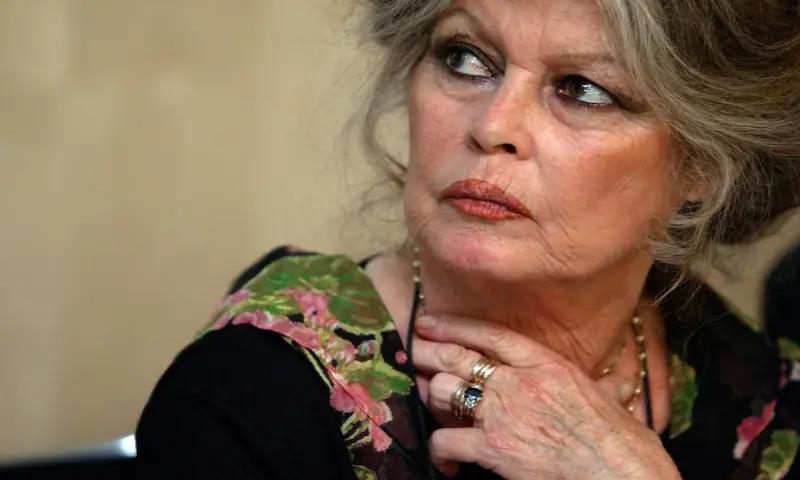
Across West Asian and Western outlets, Bardot is repeatedly presented as both a style icon and a polarizing cultural symbol. However, sources differ on the scope and catalogue of her filmography.
Brigitte Bardot's animal advocacy
After retiring from cinema in 1973, Bardot devoted herself to animal welfare, founding the Brigitte Bardot Foundation in 1986 and campaigning internationally against practices she saw as cruel, from Arctic seal hunts to certain slaughter methods and animal testing. DW reports she later founded the Brigitte Bardot Foundation in 1986. TheWrap and Variety emphasize that she devoted much of the rest of her life to animal welfare, founding an animal-rights foundation in 1986.
“After retiring from acting in 1973 she became a prominent animal-rights campaigner, founding the Brigitte Bardot Foundation and receiving the Legion of Honor in 1985 for her work.”
News4JAX and AP note the foundation's high profile and honors tied to her advocacy. Her animal activism is cited across West Asian, Western mainstream and alternative outlets as a defining second chapter of her life.
Bardot's late political controversies
Bardot’s later life was politically charged, as she repeatedly drew condemnation and legal penalties for anti-immigrant and anti-Muslim remarks and aligned herself with France’s far right. Every major outlet acknowledged this thread, though they vary in detail and emphasis. The BBC says her late-life inflammatory remarks about Islam, homosexuality and the #MeToo movement led to several convictions for incitement to racial hatred (1997, 1998, 2000 and 2008) and fines.
The Associated Press reports she courted controversy for xenophobic and anti-Muslim remarks, was convicted and fined several times for inciting racial hatred, and openly supported far-right figures. Al Jazeera notes French courts convicted her several times for inciting racial hatred, including a €40,000 fine in 2022. Some outlets list specific convictions and fines, while others frame the legal cases as part of a broader political trajectory toward the National Front/National Rally.

Reactions to Bardot's death
Tributes and debate after Bardot’s death have reflected the same split that marked her life: presidents and politicians praised her cultural and animal‑welfare contributions while others reminded the public of her incendiary statements and convictions. TheWrap and Variety reported that President Emmanuel Macron called her 'a legend of the century,' and the AP recorded Macron calling her 'a legend,' while French far‑right figures also paid tribute.
“President Emmanuel Macron called her ‘a legend of the century,’ praising her films, voice, glamour and lifelong devotion to animals.”
Le Monde argued that the outpouring reveals as much about the speakers as it does about Bardot herself, noting public reactions tended to compress her into competing caricatures — sex symbol, animal champion, or reactionary — depending on the outlet’s perspective. That diversity of response underscores how coverage differs by source type: mainstream outlets foreground national mourning and facts, alternative and opinion pieces interrogate legacy, and tabloids emphasize image and scandal.
