USA29 January, 20262 min read
Britain, Canada, Italy and Other Major Allies Refuse to Join Trump's Board of Peace
Britain, Canada, Italy and other major Western allies declined to join the Board. Twenty-six countries, including several Middle Eastern states, agreed to join the Board.

18 outlets told this the same way.
Outlets did split on Trump Interrupted by Protesters at San Antonio Rally for Ken Paxton →
Trump's Davos peace plan
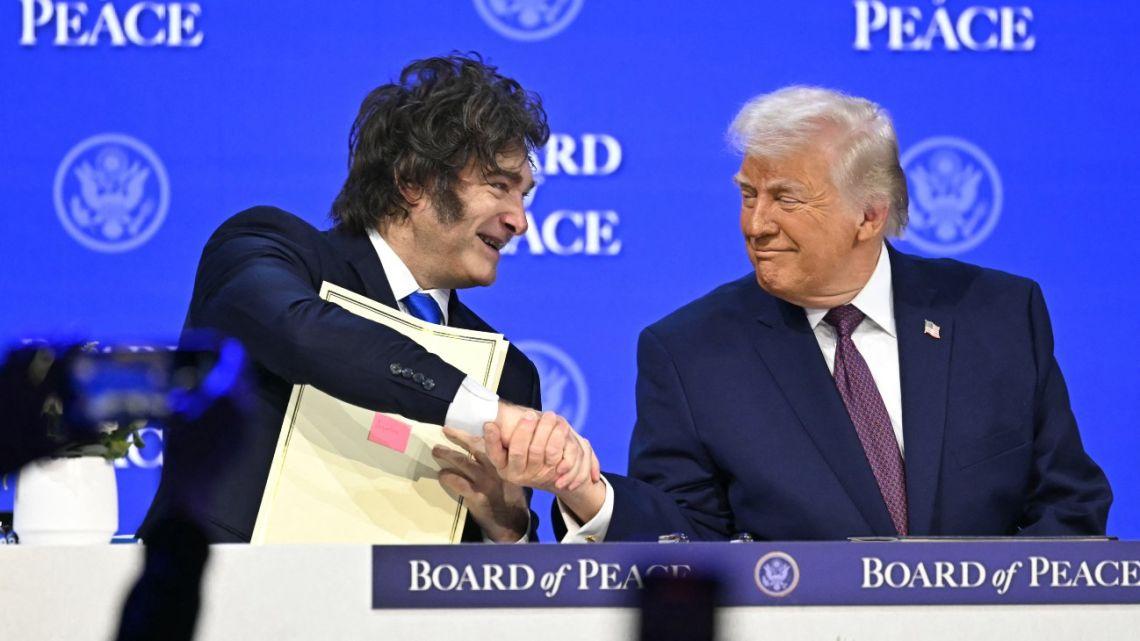
President Trump unveiled a US-led 'Board of Peace' at Davos, pitching it as a body to oversee Gaza's ceasefire sustainment and reconstruction and unveiling redevelopment ideas such as 'New Gaza' and 'New Rafah'. The announcement produced a mixed response, with Trump saying once the group is formed 'we can do pretty much whatever we want to do'. Organizers say dozens of countries have been invited and the US reports multiple signups.
“At the World Economic Forum in Davos, President Trump unveiled a US-led ‘Gaza board of peace’ and redevelopment plans for Gaza — including proposals for cities called ‘New Gaza’ and ‘New Rafah’ — saying that once the group is formed ‘we can do pretty much whatever we want to do,’ days after his high-profile remarks about Greenland.”
Major Western powers and long-standing U.S. allies have largely refused or held back from joining. U.N. officials have stressed that international peace and security remain the Security Council's remit.
Western allies' refusals
Britain, Canada, Italy and several other major Western allies explicitly declined to join or were reported to have been rebuffed as invitations were issued. The Independent listed Britain among a set of European countries that have "declined to join," and News.au and colombiaone likewise report that many European states — including the U.K., Italy, France, Germany, Norway, Slovenia, Spain and Sweden — refused participation. Canada’s role became contentious in some accounts: News.au and other outlets say Canada’s invitation was reportedly revoked after it refused to pay a reported $1 billion fee for a permanent seat.
Concerns about board authority
A central source of allied unease was the reported concentration of power in the board's chair and the board's broad, ambiguous charter. Reporting on a draft resolution suggested the chair (identified as President Trump in that draft) would have sweeping authorities, including nominating senior officials, approving or suspending board resolutions, and appointing a successor.
“The draft’s legal status and final text are unclear, but it would vest sweeping powers in the board’s chair—identified in the draft as President Trump—including nominating senior officials, approving or suspending board resolutions, appointing a successor and naming the commander of an international stabilization force.”
Human rights groups and diplomats warned the structure risked sidelining the U.N. and empowering autocrats. Others warned the rollout turned the initiative into what critics called a partisan or personality-driven forum.
Regional reactions to proposal
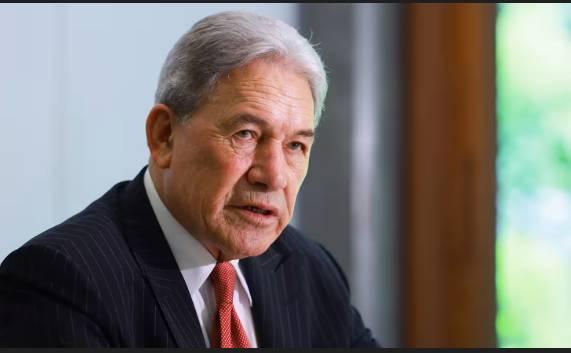
Reactions and calculations split along regional lines. Several Middle Eastern and emerging nations reportedly accepted or are reported as participants, with sources listing Türkiye, Egypt, Saudi Arabia, Qatar, Indonesia, Pakistan and the UAE among others. Smaller U.S. partners such as New Zealand explicitly declined in its current form and said any role must align with the UN Charter.
Some outlets emphasize a core Western rejection by France, the U.K. and Germany. Other outlets point to a mix of acceptances from non-Western states that may reflect regional influence strategies rather than endorsement of the U.S. model.
Reactions to oversight board
Observers and critics say the board's uncertain legal status, partisan rollout and ambiguous remit explain why Britain, Canada, Italy and others have so far refused to participate.
“President Trump’s proposal for a ‘Board of Peace’ to reshape post–World War II order has been widely criticized and failed to attract broad support.”
The Associated Press summarises the backlash as a reaffirmation of support for the U.N. rules-based system.
Dailysabah and WJBF report that leaders and the U.N. Secretary-General have rejected efforts to bypass the Security Council.
Westhawaiitoday details the still-unsigned draft resolution and the unresolved legal questions about how the board would operate.