Ukraine War24 November, 20254 min read
Britain, France and Germany Draft Counterproposal to Trump’s 28-Point Ukraine Plan, Require Russia to Enshrine Non-Aggression in Law
Britain, France and Germany drafted a counterproposal revising Trump’s 28-point plan Require Russia to enshrine non-aggression obligations into its domestic law

15 outlets told this the same way.
Outlets did split on Russian Attack Kills At Least 33 On Two Buses In Kramatorsk →
E3 counterproposal on Ukraine
Britain, France and Germany (the E3) have drafted a counterproposal to the leaked 28-point plan linked to Donald Trump. EU partners said the original draft was too favourable to Russia and would have forced major concessions from Kyiv. The E3 text aims to be materially softer toward Ukraine and keeps Ukraine's path to NATO open in practice while boosting security guarantees and sovereignty protections.
“A draft 28-point ‘peace’ plan linked to Donald Trump and obtained by the Associated Press would largely accept Kremlin demands and require Ukraine to cede swathes of territory and make major security concessions.”
It raises permissible peacetime troop levels relative to the US-Russia draft and explicitly calls for Russia to codify a non-aggression pledge in its domestic law rather than merely 'expect' compliance. European officials presented the counterproposal as a means to preserve Ukrainian choice and strengthen guarantees while negotiating a durable settlement. Media citations, including Sky News, lnginnorthernbc.ca and Radio Free Europe, reported that the leaked U.S. draft would largely accept Kremlin demands and that European powers produced a softer counterproposal for Kyiv.
Territory and NATO dispute
Territory and NATO membership are the central fault lines between the US-linked draft and the E3 text. The US-Russia draft reportedly would have effectively recognized Donetsk, Luhansk and Crimea as de facto Russian and would have frozen other front lines. The European counterproposal avoids recognizing any land as Russian and insists territorial changes must be negotiated starting from the current line of contact.
On NATO, the US draft reportedly sought a constitutional renunciation of membership for Ukraine, while the E3 text says accession depends on the consensus of NATO members, preserving Kyiv's formal path without an immediate invitation. These provisions show Europe seeking a compromise that limits territorial recognition of Russian gains and preserves a future political option for Ukraine within NATO. Sources cited include Radio Free Europe, The Telegraph and Gazeta Express, which summarize the drafts and note that Ukraine would pledge not to retake occupied territories by force and that territorial exchanges would be negotiated along the line of contact.
Debate over Ukrainian force cap
A major point of contention is the size of Ukraine’s peacetime military that the drafts would permit.
“Ukraine’s armed forces would be reduced from about 880,000 to 600,000.”
The US‑linked 28‑point draft reportedly sought to reduce Ukraine’s forces to about 600,000 from wartime estimates of roughly 880,000–900,000.
Critics say that cut would leave Kyiv far more constrained.
The E3 counterproposal raises that peacetime cap to 800,000, a compromise that keeps Ukraine’s force larger than the US draft but slightly below wartime levels.
Some European versions suggest force levels could be higher if Russia violates agreements.
Reporting highlights different baselines and implications, with Sky News citing the US‑linked numbers and Gazeta Express and The Telegraph summarising the 800,000 cap in Europe’s text.
Analysts also note that prewar Ukraine’s military was much smaller, underscoring the unusual scale of wartime mobilisation.
Cited figures include Sky News: 'Ukraine’s armed forces would be reduced from about 880,000 to 600,000'; Gazeta Express: 'A peacetime Ukrainian army cap of 800,000 (vs. 600,000 in the US–Russia plan)'; and The Telegraph: 'the European draft’s 800,000 cap is higher than the US-Russian 600,000 proposal and far above Moscow’s earlier suggested cap of ~85,000; Ukraine’s current forces are about 850,000.'
Frozen assets and guarantees
Two linked issues — frozen Russian assets and security guarantees — show sharp differences between the US-linked draft and the E3 approach. Reports say the US-Russia draft proposed using about $100 billion in frozen Russian assets for reconstruction with a clause that the US would take 50% of future profits from those assets. European drafters push instead for frozen assets to remain blocked until Russia pays reparations and for compensation to flow principally to Ukraine.
On guarantees, the European text seeks 'robust' security assurances, with some drafts asking the US to pledge guarantees mirroring NATO’s Article 5. The US draft used the term 'reliable' guarantees and suggested a U.S.–Russia working group on compliance.

These distinctions reveal different priorities: the US text contains specific, commercially framed reconstruction provisions, while Europe emphasizes compensation sovereignty and stronger collective guarantees. Citations: Radio Free Europe reports the U.S. draft proposes $100 billion in frozen Russian assets be invested in U.S.-led reconstruction efforts with the U.S. taking 50% of profits; The Telegraph reports compensation to Ukraine primarily from frozen assets that would remain frozen until Moscow pays reparations; and The European Conservative insists frozen Russian assets stay blocked until full compensation is paid and includes a U.S.-style security guarantee modeled on NATO’s Article 5.
Geneva diplomacy overview
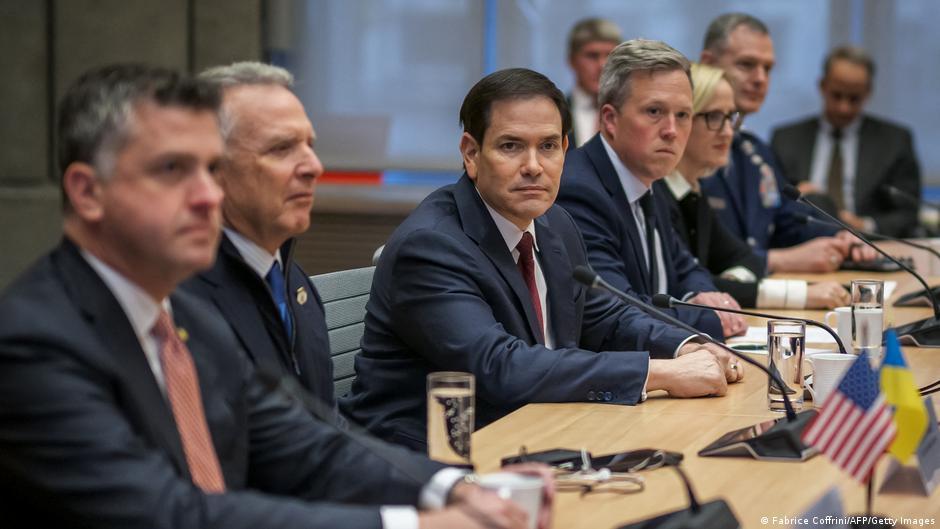
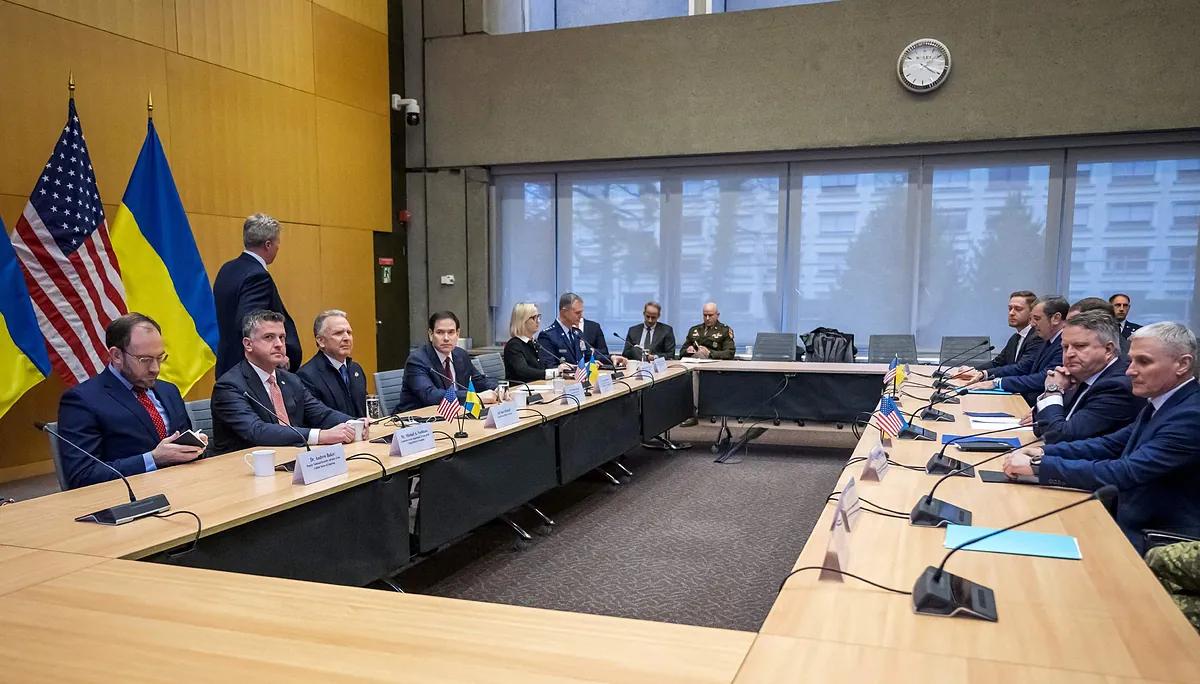
Diplomatic reactions in Geneva were mixed, with officials reporting unusually productive talks while political leaders and Kyiv publicly pushed back on territorial concessions. Delegations from the United States, Ukraine and various European countries met in Geneva. Ukrainian negotiators described progress as 'very good' and some US officials called the meetings the 'best so far'.
“Ukrainian negotiators (Rustem Umerov and Andriy Yermak) described 'very good' progress and said the latest draft reflects many of Ukraine’s priorities.”
President Volodymyr Zelenskyy and other Ukrainian figures rejected mandatory territorial concessions in public statements. European leaders signalled a desire to coordinate sanctions and asset decisions with the United States while pressing for firmer security guarantees.
Observers noted differing assessments of specific proposals, with calls for refinement and continued diplomatic, military and economic support for Ukraine. The overall picture was of intense, fast-moving diplomacy with unresolved gaps on territory, troop caps and enforcement.