Britain13 February, 20263 min read
Britain’s High Court Rules UK Government Unlawfully Banned Palestine Action; Government Keeps Group Proscribed
High Court ruled the government’s proscription of Palestine Action unlawful and disproportionate Judges found only a very small number of Palestine Action’s acts met the terrorism legal threshold
84 outlets told this the same way.
Outlets did split on UK Police Charge Teddy Young With Spying For Foreign Power, Royal Navy Member →
The Guardian was read line by line by the Watchdog: 6.0. See the score →
Court ruling on Palestine Action
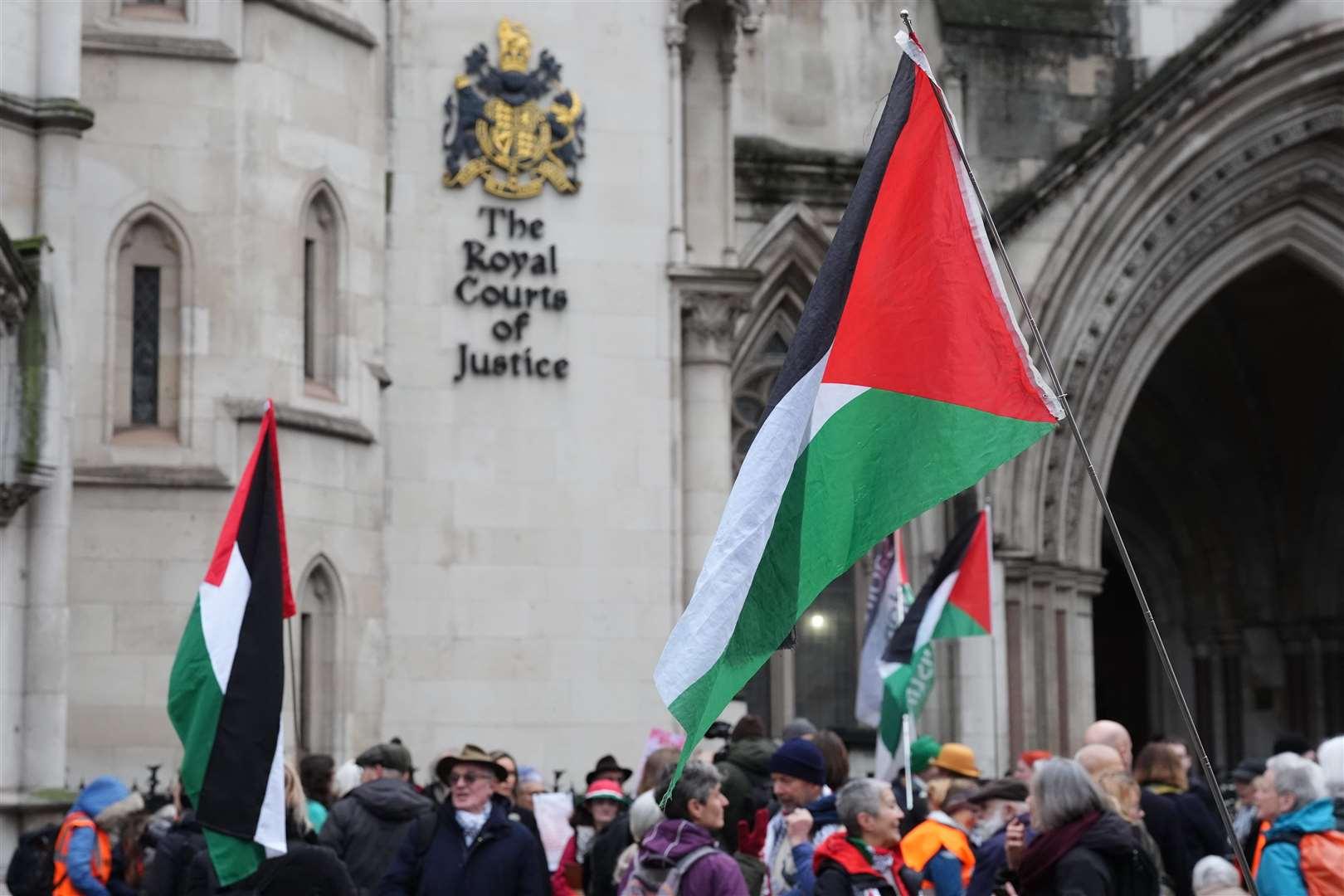
Britain’s High Court ruled on 13 February 2026 that the Home Office’s July proscription of pro‑Palestinian direct‑action group Palestine Action was unlawful and "disproportionate." The court found that while the group "promotes its political cause through criminality," only a "very small number" of its actions met the legal terrorism threshold. The ruling said ordinary criminal law could deal with much of the conduct attributed to the group.
“The High Court found the Home Office acted unlawfully in proscribing Palestine Action under terrorism laws, ruling the group’s criminal activity did not meet the high legal threshold to be designated a terrorist organisation. Three senior judges said only a ‘very small number’ of the group's actions met the legal test for terrorism and that ordinary criminal law could address break‑ins and damage at arms firms.”
The three‑judge panel led by Dame Victoria Sharp accepted some individual incidents could amount to terrorism but held the blanket listing went too far. The court left the proscription temporarily in force so ministers could seek permission to appeal and for further submissions.

Huda Ammori, a co‑founder who brought the judicial review, hailed the judgment as a "monumental victory" for free speech. The Home Office said it would challenge the ruling.
Proscription of Palestine Action
The proscription followed a string of disruptive direct actions against Israel‑linked defence firms and a June break‑in at RAF Brize Norton that officials say damaged two aircraft; reports cite figures for damage around £7m. Government lawyers framed the listing as an evidence‑based national security step after those incidents.
Campaigners and rights groups argued using terrorism laws equated Palestine Action with groups such as al‑Qaeda and ISIS and criminalised routine protest. Court filings and some coverage also highlighted the Home Office's legal costs defending the listing, with Politico reporting the department spent "£694,390.03" in the case.
Post-proscription arrest counts
A central practical question the judgment raises is the legal status of thousands of arrests and scores of prosecutions made after the proscription. Sources give differing counts: Middle East Eye and several campaign groups point to roughly 2,700–2,787 arrests, while Sky News and local press cite "nearly 3,000" or "nearly 3,000 unlawful arrests."
“Defend Our Juries says 2,787 arrests will now be deemed unlawful and that seven people charged over Zoom calls are also affected.”
BBC and other mainstream outlets report lower figures such as "over 2,200" arrests and differing charge totals, creating a clear contradiction in the reported counts. Judges and commentators noted only a "very small number" of member actions met the terrorism threshold, leaving lawyers and human‑rights groups to urge prosecutors to re‑assess cases brought under the proscription.
Legal and political implications
Politically and legally the ruling has immediate and longer-term implications: the government has said it will appeal and the proscription remains in force pending that process, leaving defendants, police practice and prosecutorial decisions in limbo. Home Secretary Shabana Mahmood said she was "disappointed" and would seek the Court of Appeal, and police bodies signalled they would generally avoid immediate arrests for mere expressions of support and instead prioritise evidence-gathering. Rights groups including Amnesty UK and Human Rights Watch welcomed the judgment and urged the Crown Prosecution Service to reconsider terror charges brought under the listing.
Ruling's political context
Coverage of the ruling also reflects broader political and international context. Anadolu Ajansı reports Jeremy Corbyn called the ruling "an enormous victory" and accused the government of complicity in genocide. Newer accounts place the dispute alongside domestic political pressure on the prime minister.
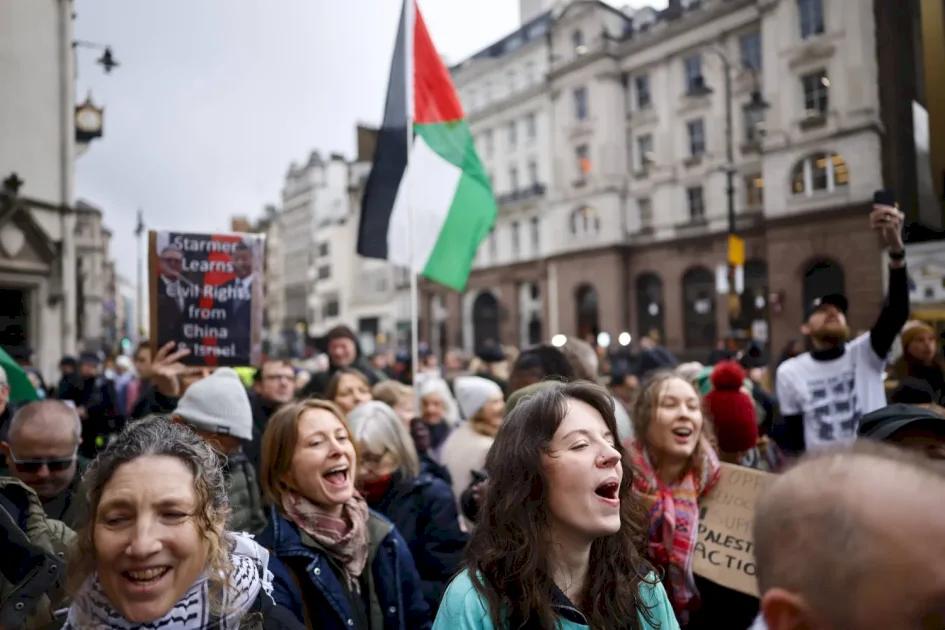
“Outside court supporters, including co‑founder Huda Ammori who brought the appeal, celebrated the decision.”
Cultural and public figures - from author Sally Rooney to musicians and civil-liberties groups - appear across reports either as supporters of the legal challenge or as commentators on the implications for publishing and free expression. Legal commentators say that if the Court of Appeal upholds the High Court judgment it could narrow the scope for using proscription against protest groups and prompt review of hundreds or thousands of enforcement decisions taken under the listing.
