Syria04 January, 20262 min read
British and French Warplanes Bomb ISIS Underground Weapons Facility Near Palmyra
UK and French jets struck an underground ISIS weapons and explosives facility near Palmyra Aircraft used Paveway IV guided bombs to destroy access tunnels into the concealed facility
36 outlets told this the same way.
Outlets did split on France Suspends Police Stun Grenades at High School Protests After 15-Year-Old Loses Hand →
Airstrike near Palmyra
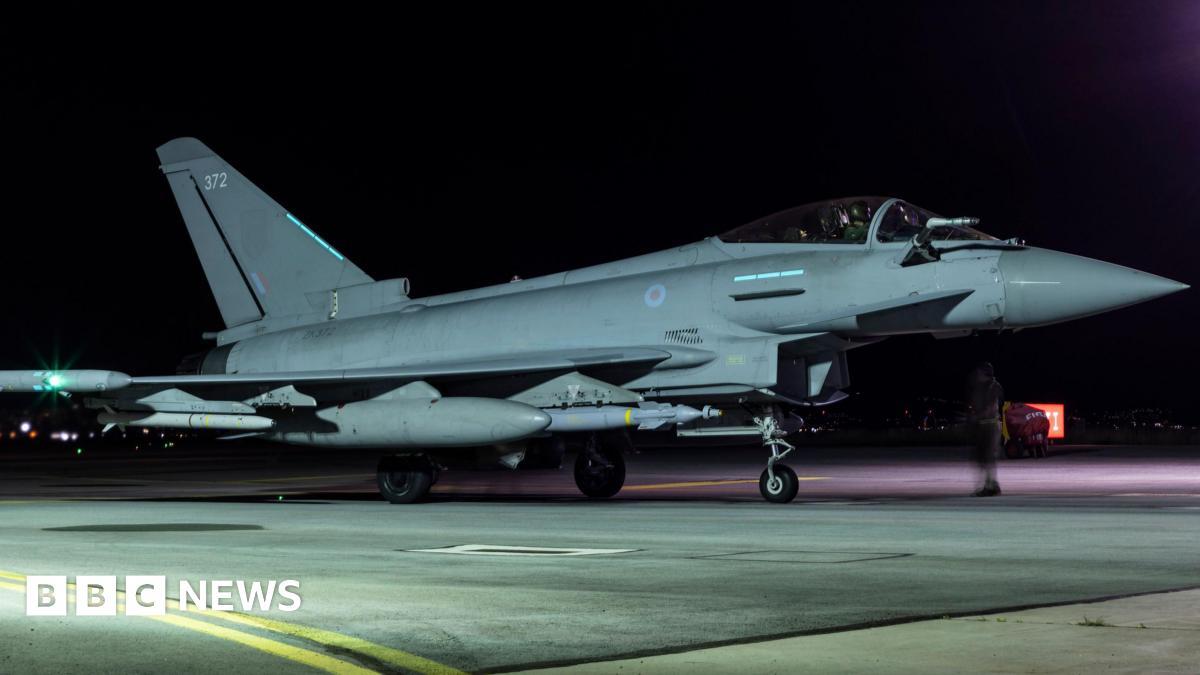
British and French warplanes carried out a coordinated precision strike on the evening of Saturday, 3 January. The strike targeted an underground facility several miles north of Palmyra in central Syria that the UK Ministry of Defence said intelligence assessed was being used by the Islamic State to store weapons and explosives.
“Royal Air Force Typhoon jets, alongside French aircraft, struck an Islamic State underground arms cache in central Syria — in mountains just north of Palmyra — using Paveway IV guided bombs to target access tunnels after ‘careful’ intelligence analysis.”
The UK said RAF Typhoon FGR4s, operating with French aircraft and supported by a Voyager refuelling tanker, used Paveway IV precision-guided bombs to strike access tunnels, and initial assessments from coalition officials indicate the target was successfully engaged and all aircraft returned safely. UK Defence Secretary John Healey said the operation demonstrated Britain’s resolve to work with allies to prevent an IS resurgence.

Reported strike platforms and weapons
Multiple sources specify the platforms and weapons used. RAF Typhoon FGR4 jets were named repeatedly and were backed by a Voyager tanker for air-to-air refuelling. Reports say Paveway IV guided bombs or other precision-guided munitions struck tunnel access points leading into the underground complex.
French aircraft are consistently reported as participants, and some outlets note that the French defence ministry had no immediate comment. Technical details and the naming of Paveway IV bombs appear prominently in Western outlets and regional reports, underscoring the strike's precision focus.

Strike context and reactions
Officials and reporting repeatedly framed the strike as part of sustained international efforts to prevent an Islamic State resurgence after the group’s territorial defeat in 2019. Outlets cited recent related U.S. strikes and an ambush near Palmyra that killed two U.S. troops and an interpreter as immediate context for stepped-up action.
“The action is part of long‑running coalition operations (using both drones and manned aircraft) that began in 2014 to eliminate remaining IS fighters and curb foreign fighter flows; the UN estimates IS still has about 5,000–7,000 fighters in Syria and Iraq.”
British officials, including Defence Secretary John Healey, presented the mission as demonstrating allied resolve. Analysts quoted in some sources cautioned that such strikes may be tactically significant but do not by themselves end the insurgency threat.
Initial post-strike reporting
Immediate post-strike reports stated the targeted area was assessed to be uninhabited or clear of civilians, that all coalition aircraft returned safely, and that a detailed damage assessment was under way with initial indications the target had been engaged. Syrian state and Russian reactions were largely absent or unreported in the immediate releases, and some Western outlets noted the lack of an immediate comment from the Syrian government. Independent verification beyond military statements was limited in the early reporting.
Media framing of strike
Western mainstream outlets such as the BBC, The Guardian and Sky News frame the event as intelligence-led coalition counter-terrorism. West Asian outlets like kurdistan24 and rudaw emphasize regional security implications and describe the desert as a recurring ISIS hotspot. Western alternative or regional-affiliated outlets such as thenationalnews and Editorialge provide broader strategic context and caution about the limits of airpower.
“Defence Secretary John Healey said the UK will ‘stand shoulder to shoulder’ with allies to prevent any IS resurgence and thanked the armed forces involved.”
Tabloids including The Sun and The Mirror amplify the strike’s success using more emotive language. Most pieces rely on Ministry of Defence statements, and quoted remarks (for example John Healey’s) are presented as officials’ statements rather than independent verification.