Britain19 February, 20262 min read
British Police Arrest Former Prince Andrew Over Jeffrey Epstein Ties
Andrew Mountbatten-Windsor arrested on suspicion of misconduct in public office linked to Jeffrey Epstein Detained about 10–11 hours and released under investigation
24 outlets told this the same way.
Outlets did split on UK Police Charge Teddy Young With Spying For Foreign Power, Royal Navy Member →
Anadolu Ajansı was read line by line by the Watchdog: 5.7. See the score →
Arrest and searches update
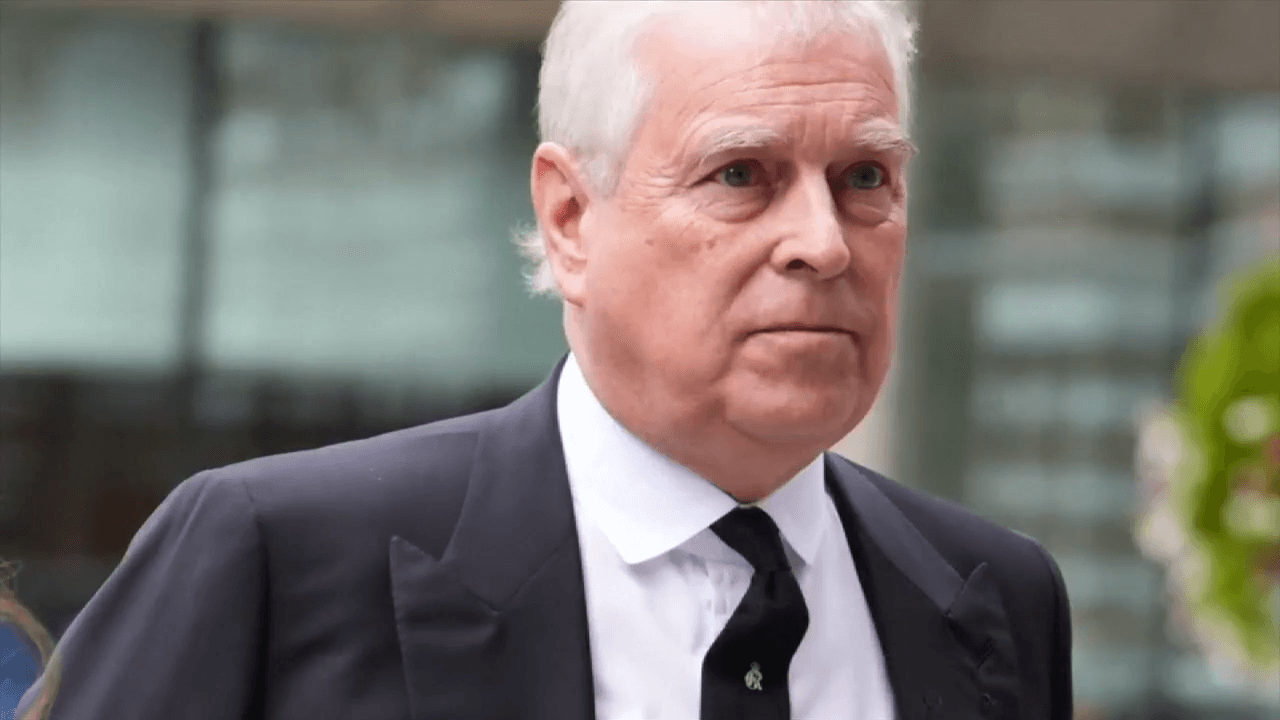
British police arrested Andrew Mountbatten‑Windsor (referred to in some reports as Prince Andrew) on suspicion of misconduct in public office.
“Former Prince Andrew, now using the name Andrew Mountbatten-Windsor, was arrested Thursday by Thames Valley Police on suspicion of misconduct in public office over his links to Jeffrey Epstein and held for about 11 hours before being released under investigation.”
He was detained for about 11 hours and then released under investigation while enquiries continue.
Thames Valley Police carried out searches of his Sandringham home and Royal Lodge residence.
Officers said they were assessing recently released U.S. Department of Justice files tied to Jeffrey Epstein.
Reports note the detention was handled under normal UK custody procedures and that the force initially declined to name the person arrested 'as per national guidance.'
Allegations and arrest details
The arrest follows the release of U.S. Department of Justice materials that have renewed focus on Andrew’s relationship with Jeffrey Epstein.
Some of the emails reported in those files allege he passed confidential government trade information in 2010, including reports on visits and the U.K.’s relations with Hong Kong and Singapore.

Other documents and reporting raise questions about continued contact into 2011 and allegations linked to trafficking.
Andrew has denied the allegations.
Some sources note the arrest is distinct from longstanding sexual‑abuse claims that he has previously denied or settled civilly.
Royal reaction to Andrew
The royal household and commentators reacted quickly. King Charles III publicly said "the law must take its course." Media and royal experts described the development as a severe reputational problem for the monarchy.
“King Charles III said the law must take its course and declined further comment.”
Some reports say King Charles III had already stripped Andrew of military roles and patronages and removed him from official duties. Other accounts say the king continued to privately support Andrew's living arrangements on Sandringham.
Mainstream and tabloid outlets highlighted that detail and emphasized the personal burden on the monarch. The reports therefore contradict each other on whether the king had taken public action or was offering private support.
Prosecution and investigation update
Legal commentators and some outlets stress the prosecutorial and procedural issues at stake. They note that UK prosecutions for misconduct in public office require proof that a public officer knowingly abused their trust. The American Conservative says the charge is legally vague but can carry a potential life sentence.
EL PAÍS reminds readers that normal detention in the UK is 12–24 hours as police decide on charges or bail. Police searches and device seizures reported in multiple pieces suggest investigators are actively gathering material. No charge has been laid and the accused remains under investigation.

Political fallout and responses
Observers differ on the wider political and institutional fallout. Some commentators and tabloids portray the episode as a 'spectacular fall from grace' and a sign of weakened public deference to the monarchy, while analysts and alternative outlets frame it as a significant reputational and political crisis that could spur calls for testimony and broader scrutiny. Voices such as Ro Khanna — reported earlier in connection with the released Epstein files — have demanded testimony and suggested the scandal could imperil the monarchy, though some pieces published before the arrest noted that context separately.
“Commentators called the episode a spectacular fall from grace and a sign that deference to the monarchy has weakened.”