Full Analysis Summary
Interfaith killing in Uttar Pradesh
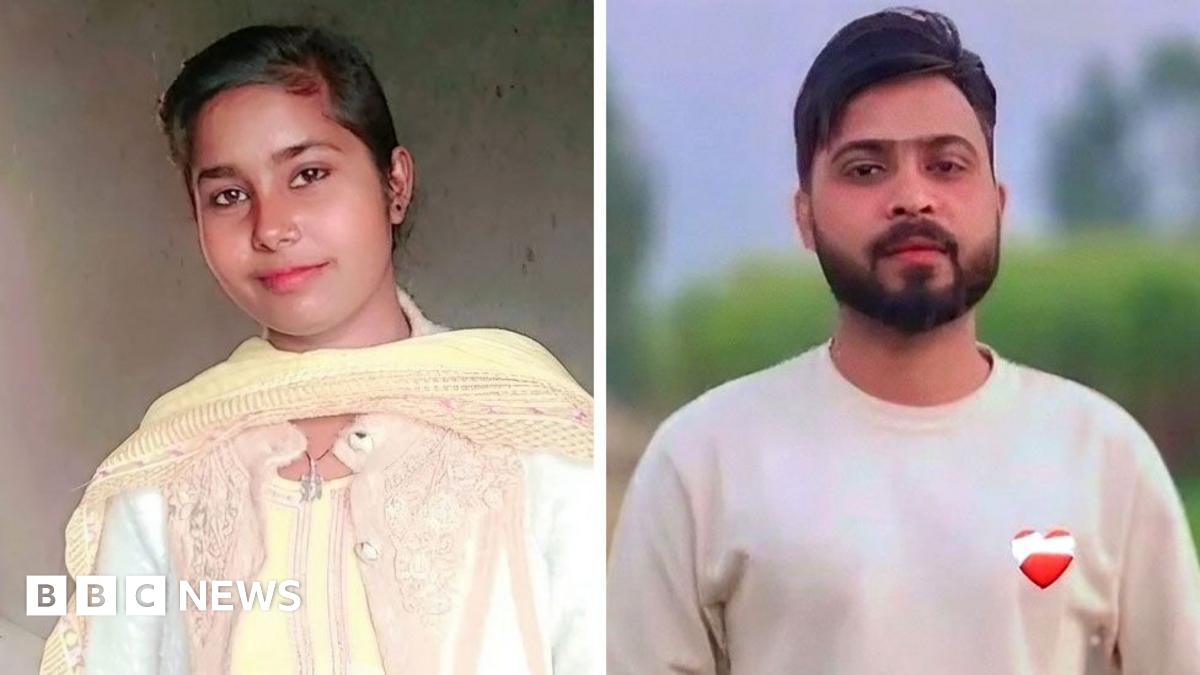
Police in Uttar Pradesh arrested three brothers after the bodies of an interfaith couple were found buried near a riverbank outside Umri village on 21 January, according to local authorities.
The victims were identified as 19-year-old Hindu woman Kajal and 27-year-old Muslim man Mohammad Arman.
Authorities say the pair had been beaten to death with a spade two days earlier, and the suspects are in custody but have not commented.
The killings have shocked the small, previously harmonious village of about 400 families, and police suspect an "honour killing."
Coverage Differences
missed information / lack of alternative perspectives
Only the BBC (Western Mainstream) account is available in the provided materials; there are no other sources in different source_types to compare tone, emphasis, or additional facts. As a result, I cannot show contrasting narratives (e.g., local community statements, family perspectives, or differing legal framing) because those sources are not provided. The BBC's report supplies the basic facts, victim identities, the suspected motive, and the arrest but does not include quotes from suspects or detailed police statements beyond the suspicion of an 'honour killing.'
Interfaith killing report
The BBC report emphasizes the interfaith nature of the relationship, noting it involved a Hindu woman and a Muslim man.
It frames the incident within the concept of an 'honour killing', a charged legal and social category in India.
The article notes the suspects are the woman's brothers and indicates the deaths occurred shortly before the burial was discovered.
The provided snippet offers no direct quotes from the arrested men, family members, or independent witnesses.
Coverage Differences
tone / narrative emphasis
Because only the BBC text is available, the narrative emphasis on 'honour killing' and the interfaith detail comes from this Western Mainstream source. Without other source_types (e.g., West Asian, Western Alternative), it is not possible to show whether other outlets would highlight different aspects (for example, caste, criminal procedure, community tensions, or denial from families). The BBC's language — using 'honour killing' and noting the interfaith identities — frames the case within broader social debates in India.
Honour-killings and context
The article places the case within a broader official record by citing India's crime bureau statistics.
It notes the bureau began formally recording honour killings in 2014 with 18 cases and reported 38 such cases in 2023.
This data suggests the phenomenon is on authorities' radar, but the BBC snippet does not detail investigative steps, legal charges, court filings, or potential penalties for the arrested brothers.
Coverage Differences
missed information / lack of legal detail
The BBC provides the crime-bureau statistics, but without complementary sources we lack legal detail (e.g., exact charges filed, investigation status, forensic findings) and no alternate accounts to compare such procedural reporting. Other source_types might supply courtroom updates, family statements, or local political reactions, but those are unavailable in the provided material.
Reporting limitations and needs
Limitations of the available reporting are significant.
The provided material is a single BBC snippet with no other sources included for cross-checking.
There are no direct quotes from police beyond the suspicion of 'honour killing'.
There are no statements from families, victims' acquaintances, or local leaders.
There are no follow-up legal or forensic details.
A fuller account would require additional reporting from local outlets, police releases, legal documents, or eyewitness testimony to corroborate and expand on the BBC summary.
Coverage Differences
unique / off-topic coverage and absence of other perspectives
With only BBC (Western Mainstream) material available, unique perspectives from other source_types (West Asian, Western Alternative, regional Indian outlets) are missing. This absence means we cannot compare tones (e.g., accusatory, sympathetic, analytical), nor can we document whether other sources attribute motives differently, report competing claims, or include disputing evidence. That gap itself is a substantive difference in coverage availability.