Europe31 December, 20252 min read
Bulgaria Adopts Euro, Becomes 21st Member of Eurozone
This article is an automated aggregation of coverage from news outlets. Our editorials offer in-depth analysis curated by the NewsCord team.
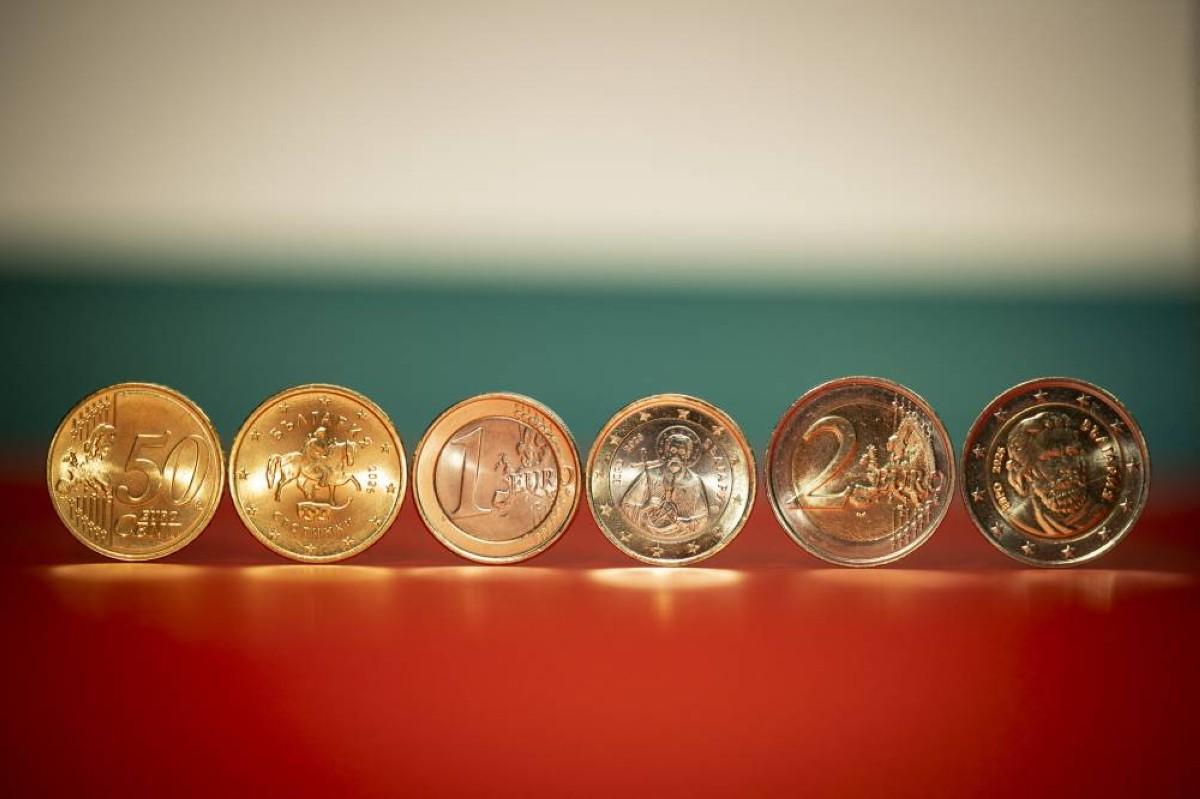
Bulgaria adopted the euro on January 1, 2026, becoming the eurozone's 21st member. Lev replaced by euro; lev legal through January, euro sole currency from February 1.

9 outlets told this the same way.
Outlets did split on Azerbaijan Bars Hijab in Schools, Sparking Protests in Baku and Arrests →
Bulgaria adopts the euro
Bulgaria officially adopted the euro on New Year’s Day, becoming the eurozone’s 21st member and joining more than 350 million people who now use the single currency. Officials say the country met the formal Maastricht criteria on inflation, budget deficits, long‑term borrowing costs and exchange‑rate stability. Accession brings participation in the European Central Bank’s Governing Council and practical benefits for trade and travel.
“Reuters reports that Bulgaria has officially met all formal criteria to join the eurozone and will adopt the euro from January 1 next year, becoming the 21st member.”
The switch is timed so that the lev remains legal tender through January while the euro becomes the only official currency from February 1. Prices will be shown in both currencies until August 8, 2026.

Accession amid political unrest
The accession comes against a backdrop of political instability and visible public skepticism. Anti-corruption protests recently toppled a conservative government, leaving the cabinet resigned and the country set for what reporters describe as its eighth election in five years.
President Rumen Radev criticized the lack of a referendum and warned the decision widened the gap between the political class and ordinary people. Government and EU officials framed the move as a milestone toward closer integration with Western Europe.

Debate on euro adoption
Economic arguments over the switch are mixed. Supporters and some analysts say adopting the euro should bolster financial stability, attract investment, and cut transaction costs. Many citizens fear the change will push up prices even as wages lag.
“Bulgaria has adopted the euro to bolster financial stability, attract foreign investment and cut transaction costs...”
Reports note food inflation around 5% year-on-year in November, higher than the eurozone average. Polls show substantial public opposition, while governments and EU leaders counter that meeting the convergence criteria demonstrates readiness.
Bulgaria currency transition
Practical arrangements for the transition were reported in detail by Bulgaria's state news agency. Retailers must accept both currencies during January but may give change in a single currency. Dual pricing is mandatory until August 8, 2026.
ATMs will dispense euros after technical adjustments. Leva can be exchanged free of charge at the Bulgarian National Bank throughout 2026, although commercial bank fees may apply later.
Other outlets focused more on market reactions rather than enumerating the official rules. They reported shops showing lev/euro prices, early reports of starter-cash distribution issues, and traders' anxieties.
Euro membership prospects
Analysts and reporters say euro membership offers institutional anchoring, potential investment, and closer ties to Western Europe, but success depends on how authorities handle information campaigns, protect low-income households, and manage political fallout.
“Euro membership also brings participation in the European Central Bank’s Governing Council.”
Commentators warn that anti-EU or populist actors could exploit transitional problems, and experts note the practical challenge of helping older and rural residents adapt to the new currency.