Business08 November, 20252 min read
Bulgaria Seizes Control of Russian Lukoil Refinery to Evade US Sanctions
This article is an automated aggregation of coverage from news outlets. Our editorials offer in-depth analysis curated by the NewsCord team.
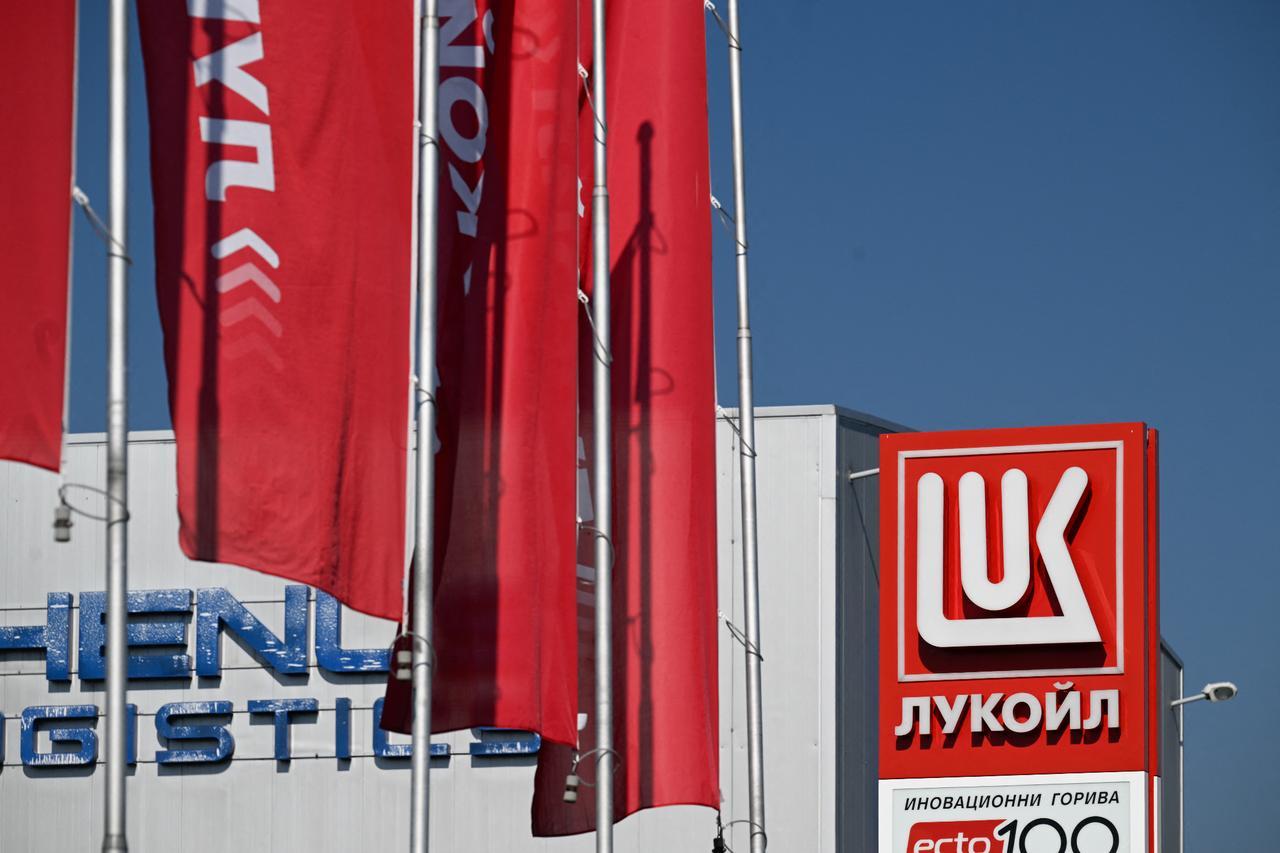
Bulgaria passed laws to appoint a government manager for Lukoil’s Burgas refinery. The legal changes aim to prevent shutdown amid imminent US sanctions on Russian oil firms.
5 outlets told this the same way.
Bulgaria's Control of Refinery
Bulgaria is moving to assert control over the Lukoil-owned Burgas (Neftochim) refinery ahead of US sanctions taking effect on November 21. The government frames this step as necessary to keep fuel flowing and stabilize the market. West Asian outlets report that Sofia fast-tracked legal changes to install a special, government-backed manager with powers to operate the plant and even sell its shares.
“Bulgaria is set to implement sanctions on November 21 targeting Lukoil’s Neftochim refinery in Burgas, effectively shutting down its operations due to counterparties refusing payments to Lukoil-linked companies.”
These reports also note the immediate pressure from counterparties refusing to transact with Lukoil-linked entities. A Western mainstream source places the move within a broader wartime landscape. This source describes it as part of regional efforts to control strategic resources amid intensifying Russia-Ukraine hostilities and sanctions on Russian assets.

Government Control of Refinery
The legal mechanism, according to West Asian sources, centers on a government-appointed administrator with extensive powers to vote shares and sell the refinery if necessary. The package moved quickly through parliament. Political pushback is real, with a nationalist party and other critics warning of lawsuits and legal risks.
Opposition figures also caution about potential financial losses for the state. A Western mainstream source confirms the thrust—preparing legislation to take control—without detailing the named opponents or the specific legal liabilities highlighted elsewhere.

Importance of Bulgaria's Refinery
Economically, all sources agree the refinery is critical as it is Bulgaria’s only oil refinery. The refinery was acquired by Lukoil in 1999 and holds near-monopoly influence with a multi‑billion‑euro turnover in 2024. West Asian reporting emphasizes the refinery's dominance in the domestic market and the risk it poses to national supply chains.
“The refinery, acquired by Lukoil in 1999, is Bulgaria’s largest company and a key player in the national economy, with a near-monopoly on oil products and a 2024 turnover of about €4.7 billion ($5.4 billion).”
A Western mainstream account highlights the refinery as a key node in Lukoil’s broader international portfolio, which is under sanctions pressure. This combination explains why Sofia is moving to ensure control and continuity as sanctions tighten.
Bulgaria's Petroleum Export Controls
To shield domestic supply during the transition, Bulgaria introduced temporary export curbs on petroleum products. West Asian coverage specifies that restrictions include diesel and aviation fuel and can reach even other EU markets.
The coverage also notes tailored carve-outs for military use and refueling within EU and NATO. The Western Mainstream source does not detail export measures but frames Sofia’s legal move as part of broader strategic resource control under wartime strain.

Geopolitical Risks of Nationalization
Risks and geopolitical tensions are significant in the current situation. West Asian sources report warnings from experts and opposition about legal exposure and possible lawsuits if nationalization proceeds. They also highlight broader geopolitical consequences and immediate operational stress caused by counterparties refusing payments.
“The legislation passed with support from several major parties but faced opposition from the nationalist Vazrazhdane party and other critics who warned of legal risks, including potential lawsuits from Lukoil.”
Market uncertainty has increased after a major commodities trader withdrew from purchasing Lukoil’s international assets. A Western mainstream source places the refinery story within the larger context of the Russia-Ukraine conflict, strikes on energy infrastructure, and Poland’s extensive military training efforts. This source interprets Sofia’s nationalization move as targeting a key Lukoil asset amid US sanctions pressure.