Africa30 January, 20262 min read
Burkina Faso Junta Dissolves All Political Parties, Abolishes Multiparty System
This article is an automated aggregation of coverage from news outlets. Our editorials offer in-depth analysis curated by the NewsCord team.
Military junta dissolved all political parties and repealed the laws regulating them Council of ministers approved a government decree formalizing the dissolution

7 outlets told this the same way.
Burkina Faso party dissolution
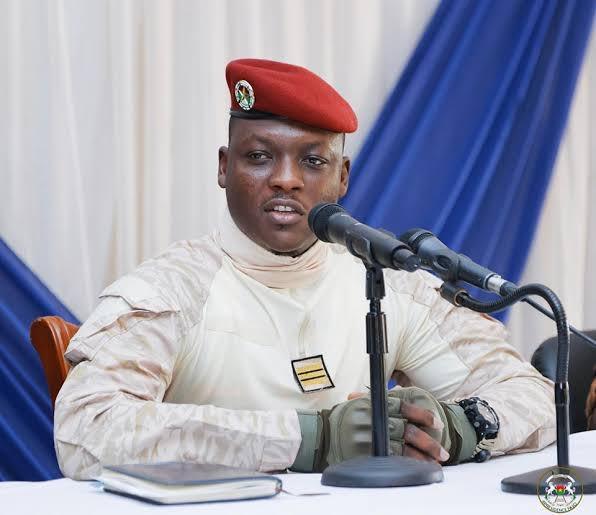
Burkina Faso's ruling military junta has issued a formal decree dissolving all political parties and ordering their assets transferred to the state. The move was approved by the Council of Ministers and reported by multiple outlets.
“Burkina Faso’s junta has issued a decree dissolving all political parties and requiring their assets be transferred to the state, the government news agency reported.”
The government news agency says the parties' activities had already been suspended following the 2022 coup, and the decree now legally eliminates the multiparty framework. Sources say draft laws to regulate the formation of future parties will be prepared and presented to the legislature as soon as possible.
Party suspension rationale
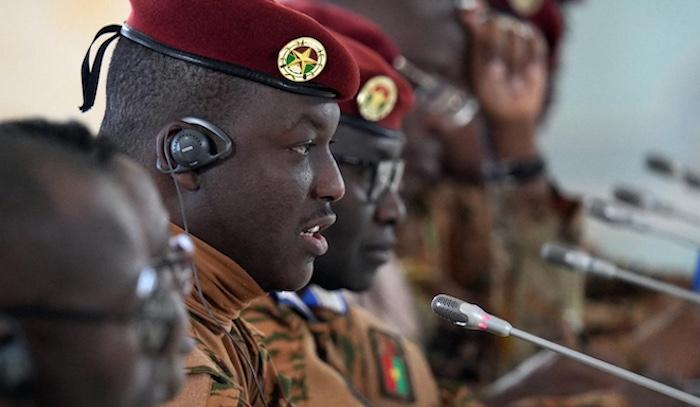
Minister of Territorial Administration Émile Zerbo said political parties had deviated from their founding guidelines, that their proliferation had fostered division, and that new draft laws for future parties would be presented as soon as possible. The Council of Ministers reportedly approved the decree, formalising the suspension that had effectively been in place since the 2022 coup. Reports emphasize the legal steps the transitional authorities say are needed to re-regulate the creation and internal structures of political parties.
Transitional politics in Burkina Faso
The decree operates against a backdrop where party activity had already been suspended since the 2022 coup and formal political representation was absent under the transitional government. Before the coup, observers said Burkina Faso had more than 100 registered parties, including 15 represented in parliament after the 2020 election, but the suspension left no formal political representation during the transitional period. The junta's earlier steps included postponing elections and dissolving the independent electoral commission, developments that media link to a wider regional pattern of coups and delayed returns to civilian rule.
“Before the 2022 coup the country had more than 100 registered parties (15 were in parliament after the 2020 election), but parties were already suspended after Traore seized power, leaving no formal political representation under the transitional government.”
Junta reforms and reactions
Arise News reports the council approved an economic Reliance Plan worth FCFA 36 trillion (about $65 billion) for 2026–2030. The plan is intended to boost growth, infrastructure and social welfare, and Arise presented this element more prominently than other outlets did in their political summaries. Observers cited by several outlets place the junta’s actions in a regional pattern of military-led transitions in West Africa and warn of democratic backsliding, even as the junta frames the changes as consolidation to reduce fragmentation and enable long-term reform.
Media reactions to decree
Reactions reported across outlets diverge in focus. Activists and critics cited by Devdiscourse say the decree targets civic freedoms and the opposition. Arise and other analysts warn of democratic backsliding and say observers view the step as consolidation by the junta to reduce fragmentation.
“The move, approved by the Council of Ministers, follows a long suspension of party activity since the 2022 coup and has drawn criticism from activists who say it targets civic freedoms and the opposition.”
The Trumpet and other regional outlets predict criticism from regional bodies and international partners. Associated Press frames the action within a broader regional trend of coups and delayed civilian returns, underscoring implications for elections and the dissolved electoral commission.