Business02 January, 20262 min read
BYD Overtakes Tesla As World's Top EV Seller in 2025
BYD sold 2.26 million battery-electric vehicles in 2025 Tesla's deliveries fell about 9% to 1.64 million vehicles in 2025
30 outlets told this the same way.
Outlets did split on CATL Starts Trial Production at Debrecen Battery Cell Plant in Hungary →
BEV market leadership change
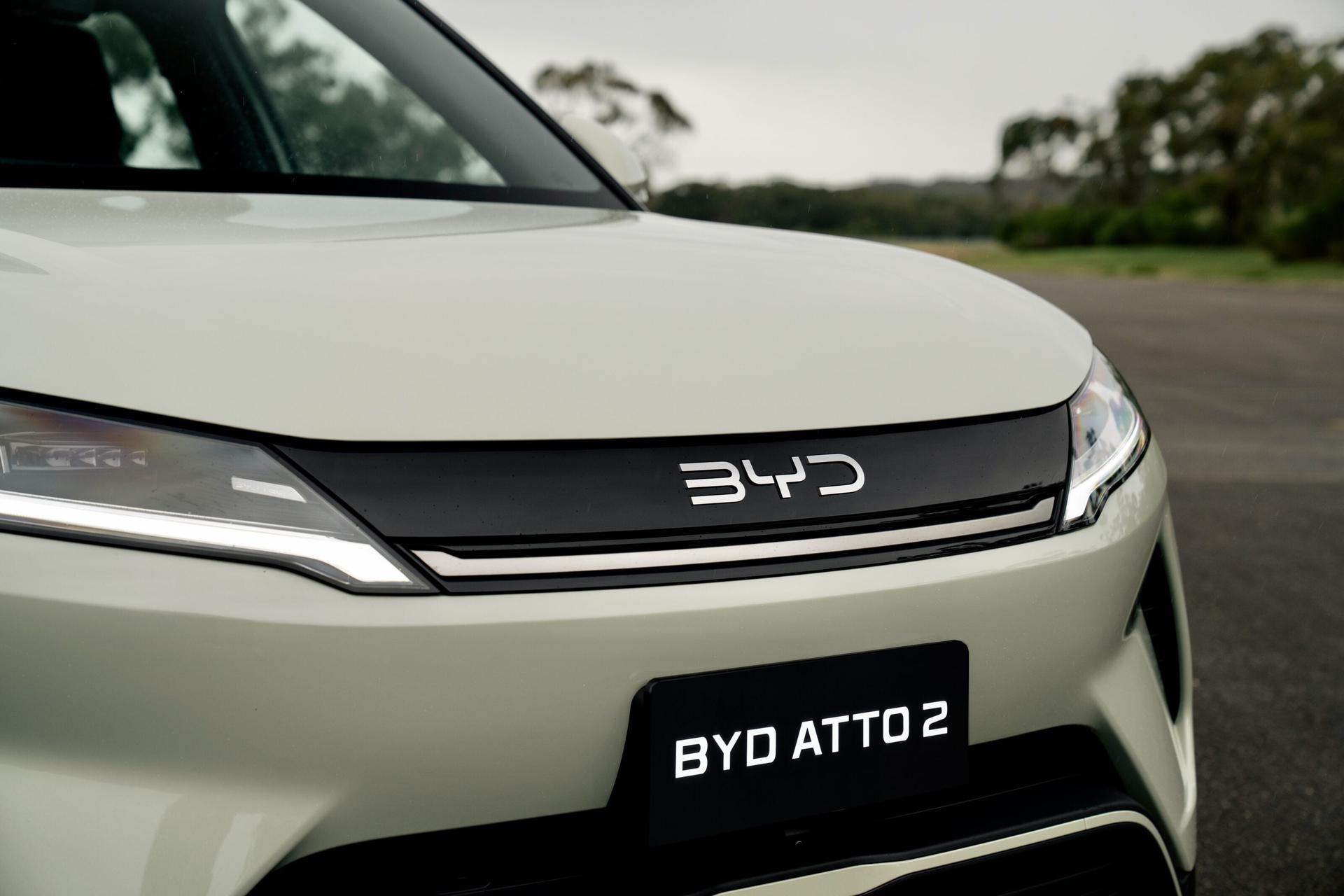
In calendar-year 2025, China's BYD overtook Tesla as the world's largest seller of battery electric vehicles, selling roughly 2.25–2.26 million BEVs versus Tesla's roughly 1.63–1.65 million deliveries. Multiple outlets reported similar totals.
“BYD has overtaken Tesla as the world's biggest seller of electric vehicles on a calendar-year basis, selling about 2.26 million battery-powered cars in 2025—a nearly 28% gain, the company said.”
BYD's BEV sales rose nearly 28% to about 2.25–2.26 million, while Tesla's 2025 deliveries fell by roughly 8–9% to about 1.63–1.65 million, with Q4 deliveries also down substantially. The milestone was widely framed as historic because Tesla had led the pure-EV segment for years and this marks the first time another company topped Tesla on full-year BEV sales.
BYD growth and drivers
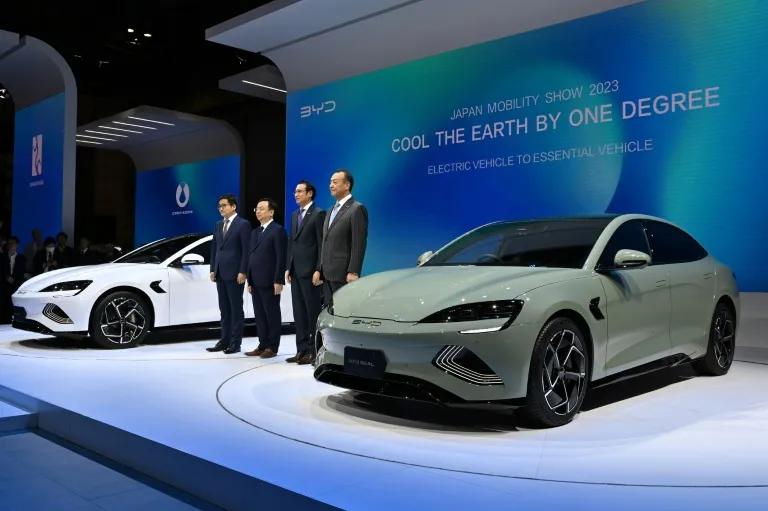
Analysts and reporters credited BYD’s rise to a combination of scale, vertical integration, a broad model lineup including affordable BEVs and hybrids, and rapid overseas expansion. Several outlets highlighted BYD’s strength in new-energy vehicle share and total-vehicle performance. BYD’s total new-energy vehicle shipments were reported around 4.55–4.6 million in 2025, while BEV sales alone climbed about 28%.
International shipments jumped sharply, with reports citing roughly 1.05 million exported vehicles and a 150% surge in overseas sales. Observers pointed to BYD’s in-house battery and component control and aggressive pricing as concrete advantages that translated into higher volumes across different markets.
Reasons for Tesla slowdown
The expiration or removal of the US $7,500 federal EV tax credit in late 2025 removed a near-term sales boost, analysts say. Growing competition from Chinese and European automakers also weighed on Tesla's performance. Product timing issues, such as pauses and model-replacement effects on the Model Y, disrupted deliveries.
“Tesla lost its position as the world’s top EV seller in 2025 to China’s BYD... The company’s sales slump has been linked to the end of the US $7,500 tax credit, political backlash around Elon Musk, and intensifying competition from Chinese and European automakers.”
Reputational and political headwinds tied to Elon Musk further affected demand. Reported quarterly figures underline the slowdown: Q4 deliveries across outlets were reported in the 418k-495k range but were materially lower year-on-year, contributing to Tesla's second straight annual sales decline.
Market reaction and competition
Markets and investors reacted pragmatically: despite the delivery shortfall, many continued to value Tesla for autonomy and robotaxi ambitions, keeping the stock buoyant or even recording gains in 2025. Some outlets, however, reported sharp share movements tied to the company’s prospects. Several reports note investors have largely looked past the sales drop to focus on long-term bets such as robotaxis, energy storage and robotics.
Other outlets recorded notable share increases, with one citing about an 18% rise in 2025. BYD’s overseas surge and scale were framed as a strategic threat that will sustain pressure on prices and margins across the industry.
BYD's global EV implications
Most outlets frame BYD's 2025 lead as a structural signal that Chinese automakers are reshaping global EV competition, pressuring incumbents on price, scale and feature sets, and signaling the sector is entering a more competitive, multi-polar era. Analysts and industry coverage point to potential long-term outcomes: more price pressure, faster feature parity from Chinese firms, and continued investor scrutiny of execution on autonomy and new products. Some sources project sustained Chinese influence, citing estimates from UBS and SNE Research, while others say the outcome will hinge on how Tesla and legacy automakers respond in price, products and production.
“The shift signals a major realignment in the global auto industry: greater influence for Chinese manufacturers, more pressure on Tesla and legacy automakers, and likely continued intense price and feature competition worldwide.”