Full story
Outbreak Numbers and Response
The U.S. infant botulism outbreak linked to ByHeart powdered infant formula sickened 48 infants across 17 states, with 28 confirmed and 20 probable, and the Marler Blog says there were zero deaths while every one of the 48 was hospitalized.
“The Food and Drug Administration this week posted what critics call an “underwhelming” epilogue to the devastating outbreak of botulism in babies, which was linked to spore-contaminated formula made by ByHeart”
The Marler Blog argues the FDA’s “post-outbreak response activities” page “leads with ingredients” and says the agency’s whole genome sequencing showed “C. botulinum type A matching across a clinical isolate, a closed can of ByHeart finished formula, and the ingredient.”
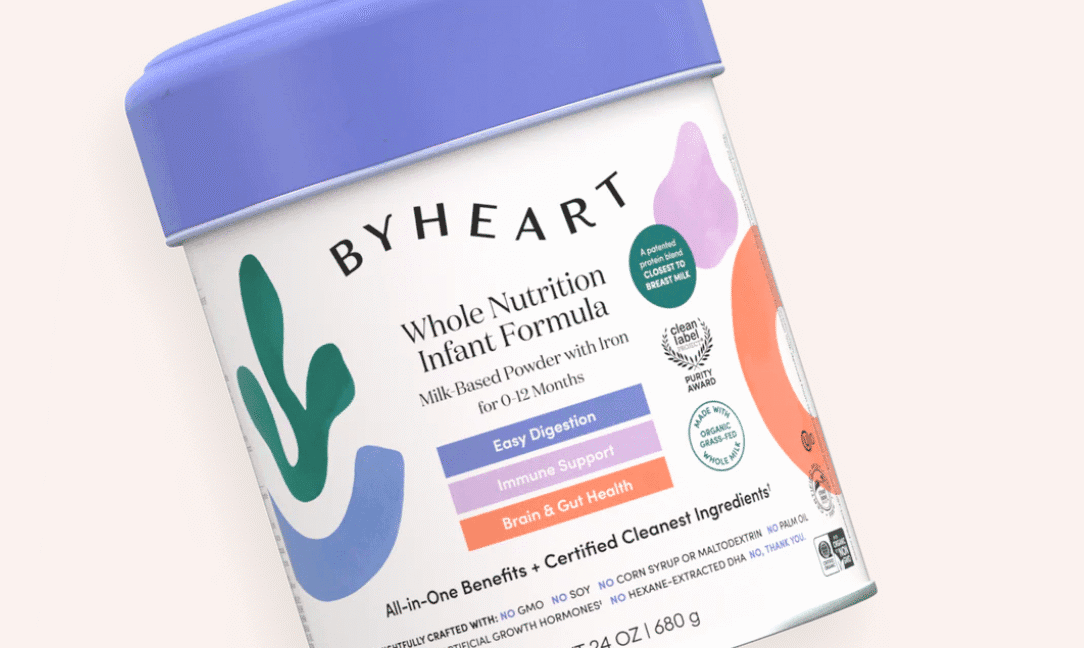
Ars Technica reports the FDA posted an “underwhelming” epilogue and says the regulator still doesn’t know how the bacteria arrived in the formula or how to prevent it again.
Ars Technica also states the outbreak was identified in early November and was declared over by the FDA and Centers for Disease Control and Prevention on February 26, after 48 infants across 17 states were sickened and hospitalized.
Root Cause Findings and Testing
Food Safety Magazine says the FDA shared findings from onsite inspections of ByHeart production facilities and one of the company’s suppliers, and that the outbreak was declared over on February 26 with 48 infants falling ill in 17 states.
Food Safety Magazine reports that the agency’s and ByHeart’s root cause investigations identified Clostridium botulinum in a powdered milk ingredient, and that FDA’s onsite investigation did not identify failures at a now-closed ByHeart production facility as contributing to the 2025–2026 outbreak.

The same article says FDA conducted an inspection at Dairy Farmers of America, the processor for Organic West Milk, and that whole genome sequencing analysis matched C. botulinum isolates recovered from two samples of the same lot of organic whole milk powder to a clinical isolate and a positive infant formula finished product sample.
Food Safety Magazine adds that ByHeart said it is working on an action plan that includes a new C. botulinum testing protocol with heightened sensitivity, developed with a third-party laboratory partner, and that the protocol will be applied to “every dairy ingredient and to finished batches before they are released from [ByHeart’s] facilities.”
Stakes, Gaps, and Next Steps
The Marler Blog says the FDA’s page leads with ingredients and that the agency tells families the root-cause investigation continues “with a focus on ingredients,” while it argues that this does not make the hospitalization rate a “clean record.”
“Following the infant botulism outbreak linked to ByHeart-brand infant formula that occurred in late 2025 and early 2026, the U”
Ars Technica frames the FDA’s stance as ongoing—“The FDA’s investigation into the root cause is ongoing with a focus on ingredients”—and says the regulator still doesn’t know how to prevent the contamination from happening again.
Food Safety Magazine says FDA is undertaking other post-outbreak response actions including surveillance sampling to better assess the presence of C. botulinum in powdered milk, and it also says FDA advocated for JEMRA to conduct a risk assessment on spore-forming pathogens including Clostridium botulinum and Bacillus cereus in powdered infant formula.
Food Safety Magazine further states that FDA supported the Codex Committee on Food Hygiene’s request to JEMRA, and it describes the agency’s effort to better understand risks associated with C. botulinum in infant formula and produce best practices for infant formula manufacturing.