USA21 September, 20253 min read
California Bans Police and ICE Agents From Wearing Masks to Expose Federal Raids
This article is an automated aggregation of coverage from news outlets. Our editorials offer in-depth analysis curated by the NewsCord team.
California's No Secret Police Act bans law enforcement officers from wearing masks on duty starting January 2026 The law targets federal immigration agents, including ICE, to increase transparency during operations

16 outlets told this the same way.
Outlets did split on Trump Interrupted by Protesters at San Antonio Rally for Ken Paxton →
California Law Enforcement Identification
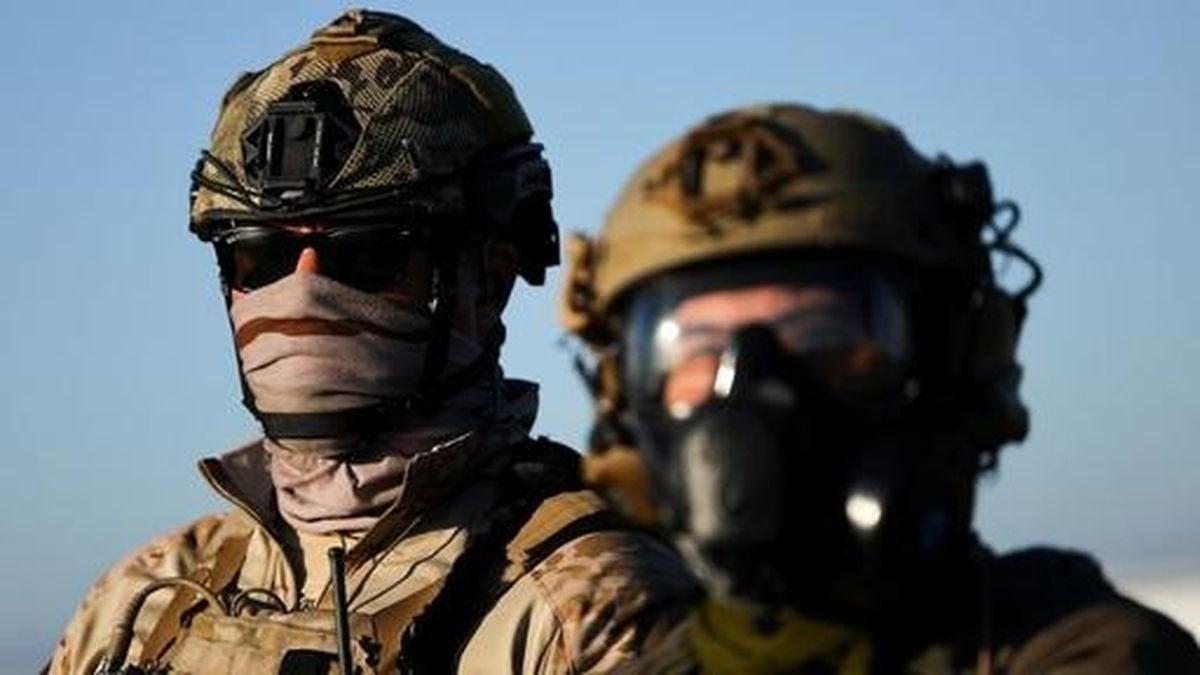
California has enacted SB 627, known by supporters as the “No Secret Police Act.” The law bans most local and federal law enforcement officers—including ICE and CBP—from concealing their faces while on duty starting January 1, 2026. Governor Gavin Newsom signed the law following high-profile masked immigration raids in Los Angeles.
“California Governor Gavin Newsom signed SB 627, the first U.S. law banning law enforcement officers—including federal immigration agents—from concealing their faces while on duty... The law takes effect January 1, 2026.”
The law requires officers to identify themselves by name and badge number. It also limits federal immigration operations at schools and in non-public hospital areas without court orders. Exemptions to the law include undercover work and necessary medical or tactical gear.
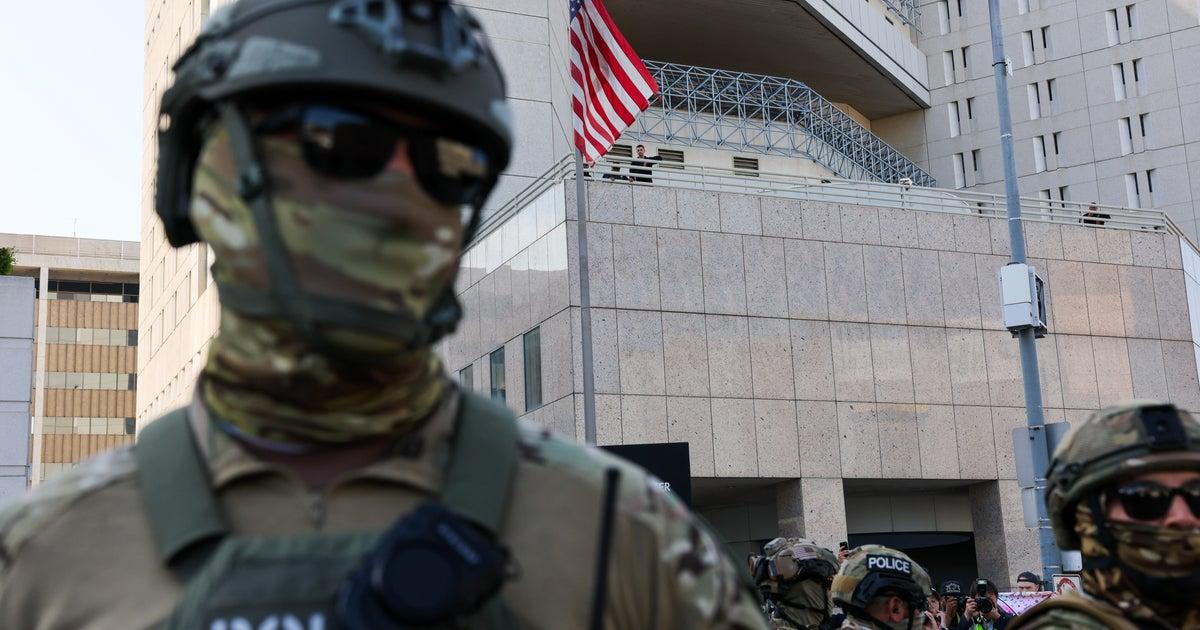
Agencies must make identification visible unless the officer is undercover. Families must be notified when immigration agents arrive on school campuses, according to multiple accounts.
California Mask Ban and Protections
Supporters present the legislation as a transparency measure to prevent “secret police” tactics following viral footage of masked immigration raids in Los Angeles. Governor Newsom described the scenes as “dystopian sci‑fi,” while sponsors argue that public trust requires officers to reveal their faces and identification.
Several media outlets highlight that California is the first U.S. state to enact such a ban, which was passed amid protests over mass arrests in Los Angeles and even a National Guard deployment during the raids. The legislative package combines the mask prohibition with new protections for schools and healthcare facilities, restricting warrantless access and safeguarding student information.

Federal Response to California Ban
Federal authorities condemned the ban and questioned its enforceability against federal agents.
“DHS announced they will not comply, calling the law unconstitutional and a threat to officer safety amid rising assaults and doxxing of agents' families.”
The Department of Homeland Security labeled the law dangerous and unconstitutional, warning it could endanger officers amid rising assaults and doxxing.
U.S. Attorney Bill Essayli argued that California has no jurisdiction over federal operations and instructed agents to disregard the statute.
DHS also signaled broader pressure on detainers, warning California and other states to comply or face consequences.
State officials dispute the premise of escalating assaults.
Legal Issues on Federal and State Powers
Analysts anticipate court fights over federal preemption versus state police powers. Azat TV notes constitutional experts say federal employees generally must comply with state law unless it interferes with federal duties. Evrim Ağacı underscores the uncertain legal standing and that the statute applies to local agencies and not to state law enforcement.
Migrant Insider adds administrative and enforcement details, including public posting of facial-covering policies by July 1, 2026, and penalties ranging from infractions to misdemeanors with enhanced civil liability. SFist highlights law enforcement groups’ objection that local police are being dragged into a political fight aimed at federal agents.

Immigration Enforcement Protections
The mask ban is part of a broader set of measures designed to protect schools and healthcare settings from immigration enforcement and to require officers to show identification. BBC outlines restrictions on entering schools and non-public hospital areas without warrants, protections for classrooms and student data, and the requirement to notify families when officers appear on campus. Sakshi Post lists five laws aimed at protecting immigrants, including restrictions related to daycare and privacy rules in hospitals.
“California Governor Gavin Newsom has signed a package of five new laws aimed at protecting immigrants in the state.”
Arise and The Week add that officers must display their name and badge, and that schools and communities must be informed of immigration enforcement presence. Azat TV and Migrant Insider also describe requirements for notifying schools about enforcement activities.