USA12 December, 20252 min read
California Leads 20 States in Suing Trump to Block $100,000 H-1B Visa Fee
This article is an automated aggregation of coverage from news outlets. Our editorials offer in-depth analysis curated by the NewsCord team.
California leads a 20-state coalition suing to block the $100,000 H-1B fee States say DHS imposed the fee unlawfully, bypassing required rulemaking and exceeding authority

14 outlets told this the same way.
Outlets did split on Trump Interrupted by Protesters at San Antonio Rally for Ken Paxton →
Legal challenge to H-1B fee
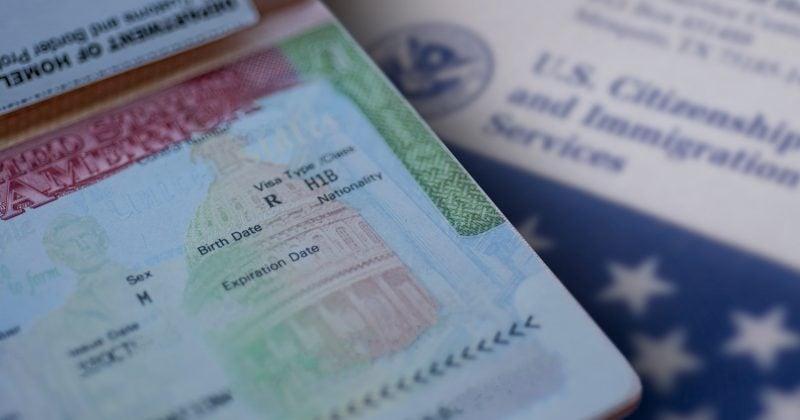
California Attorney General Rob Bonta is leading a coalition of 20 states in a federal lawsuit seeking to block President Donald Trump's September order that imposes a $100,000 fee on employers seeking new H-1B visas. The states argue the proclamation represents a dramatic and unlawful departure from established fees — described in coverage as a jump from the typical $2,000–$5,000 (or $960–$7,595 in other reporting) range to $100,000 — and say the administration exceeded its authority in adopting the levy. The complaint frames the fee as unrelated to processing costs and an attempt to reshape the H-1B program without Congress.
“California and 18 other states are suing to block President Donald Trump’s September order imposing a $100,000 fee on employers seeking new H-1B visas, arguing the administration exceeded its authority and violated federal law, California AG Rob Bonta’s office said.”
Impact of proposed H-1B fee
A coalition frames the fee as an existential threat to public institutions and industries that rely on specialized foreign workers, warning it would devastate critical services, particularly education and health care, by pricing out schools, hospitals, and nonprofits. Reporting quantifies the potential impact: plaintiffs cite roughly 30,000 educators and about 17,000 health-care workers who hold H-1Bs and warn that universities, research institutions, and innovation could suffer if hiring is chilled. State officials argue that institutions cannot absorb such costs and warn the fee could be selectively enforced against certain employers.
Legal challenge to visa fee
The complaint advances claims under the Administrative Procedure Act and the Constitution. States allege the administration failed to follow required notice-and-comment rulemaking and impact-analysis procedures and that the president lacks statutory authority to impose the levy.
“Bonta says the president lacks the power to impose such a levy and that immigration law only allows agencies to collect fees necessary to administer visa programs: 'This fee isn’t about processing costs.'”
Plaintiffs cite prior litigation holding that only Congress can change visa program structure and argue that fee-setting authority is limited to costs necessary to administer visa programs. The suit joins separate challenges from business and civil-society coalitions, indicating a broad legal front against the policy.
H-1B policy debate
The administration defends the proclamation as a lawful step to reform H-1B and to protect U.S. workers from alleged program abuses. The White House and administration allies argue the action targets employers who 'replaced American workers, depressed wages, and discouraged U.S. students from STEM fields' and say it is a legitimate exercise of presidential authority to restrict entry.
Supporters outside government frame the change as a needed realignment, while opponents stress selective enforcement risks and erosion of employer access to talent. Coverage differs on political framing: some outlets underline the policy's support among parts of Trump's base and Big Tech's opposition, while others foreground the practical harms to public institutions.