USA04 November, 20253 min read
California Voters Approve Prop 50 to Let Democrats Gerrymander Congressional Districts
This article is an automated aggregation of coverage from news outlets. Our editorials offer in-depth analysis curated by the NewsCord team.
California voters approved Proposition 50 to redraw congressional districts favoring Democrats. The new district maps aim to flip up to five Republican-held seats in the 2026 midterms.

29 outlets told this the same way.
Outlets did split on Trump Interrupted by Protesters at San Antonio Rally for Ken Paxton →
California's Partisan Redistricting Shift
California voters approved Proposition 50, which installs congressional maps drawn by Democrats through 2030. This measure sidelines the state’s independent redistricting commission for the next three election cycles. Local reports highlight both the significant margin of nearly 65% support and the fact that the maps were explicitly drawn by Democrats.
“California’s Proposition 50 is passing with nearly 65% voter support... The measure adopts new Congressional district maps drawn by Democrats that will remain in place for the next three election cycles, delaying the use of independently drawn maps until after the 2030 census.”
The new maps are designed to target five seats currently held by Republicans. National media frame this development as part of a larger partisan redistricting battle. Some outlets emphasize that Democrats expect to gain up to five new seats leaning in their favor as the legislature replaces the independent commission.
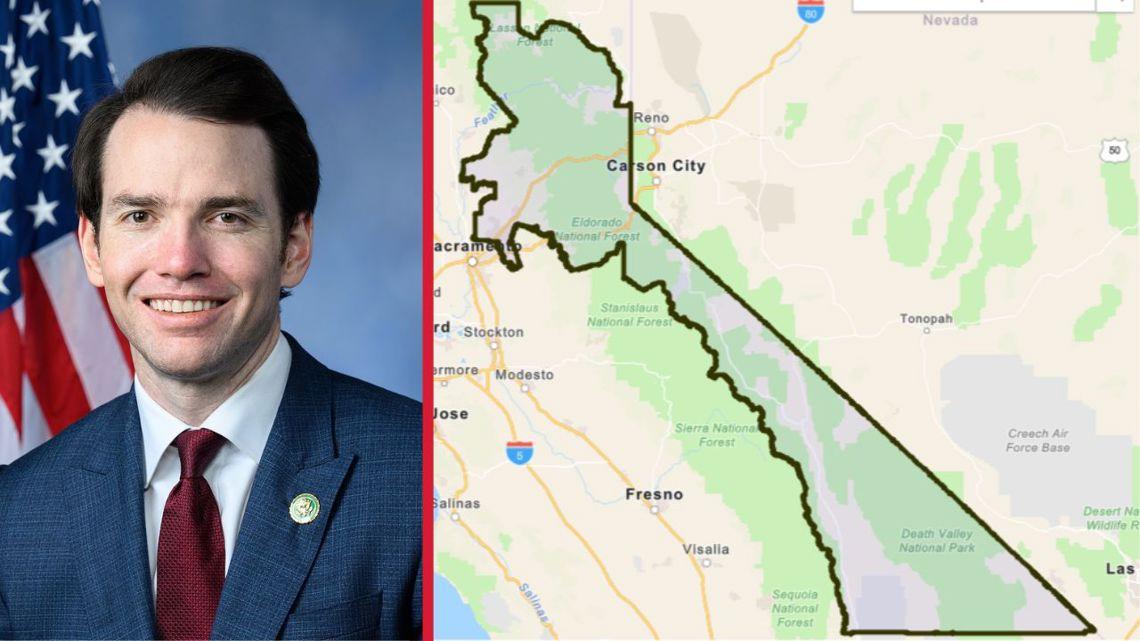
Others point out the strategic goal of countering Republican efforts in Texas. International coverage summarizes the outcome as a likely shift of up to five seats from Republicans to Democrats.
Impact of New Electoral Maps
The stakes extend beyond California as the new district lines could influence the balance of power in the House of Representatives. Supporters and several media outlets suggest that the new boundaries might help flip five seats currently held by Republicans. These changes could reshape key battleground areas and even force some Republican incumbents to compete against each other.
Coverage also highlights practical consequences, such as a Democratic representative quickly announcing a challenge in a newly drawn district. The map includes unusual new district combinations that may lead to crowded primary elections. Overall, reporters view the new map as a significant factor in the contest for control of the closely divided House.

Campaign Spending and Endorsements
Money and messaging became their own battlegrounds. Reporting diverges sharply on spending totals and who backed the campaigns. Some accounts say supporters poured over $100 million to nearly $120 million into TV and overall efforts.
“The campaign featured heavy Democratic spending—over $100 million on broadcast and cable ads—with limited Republican opposition.”
Others cite just over $55 million in ads, though all agree Democrats vastly outspent opponents. Coverage also highlights high-profile endorsements and opposition—Barack Obama and major donors on one side versus Arnold Schwarzenegger and Charles Munger Jr. on the other. These endorsements are framed alternately as protecting democracy or as partisan gerrymandering.
Debate Over Proposition 50 Impact
Supporters and critics clash over whether Proposition 50 is a necessary defense against GOP tactics or a Democratic power grab enabling gerrymandering. Progressive-leaning and local outlets report Newsom’s ‘fight fire with fire’ argument against Trump-aligned redistricting and detail district-level consequences like the heavy reworking of Representative Ken Calvert’s seat.
Conservative-leaning coverage underscores the suspension of the independent commission and projects steep GOP losses—down to as few as four seats. Some public radio and local reporting capture concerns about rural representation and broad skepticism of partisan map-drawing from voices like Representative Kevin Kiley.

Election Coverage and Challenges
Important process notes and uncertainties remain. Some coverage emphasizes continuing vote counts and procedural caveats, while others zoom out to the national consequences or on-the-ground scenes. Mainstream outlets flag that the full electoral impact is still unclear and that mail-in ballot counting takes time.
“Vote counting may take several days due to California’s mail-in voting system... though the final electoral impact remains uncertain.”
Other reports describe long lines and the absence of federal monitors at a county counting center. Analysts also caution that even a five-seat Democratic gain in California may not neutralize GOP advantages from redistricting in other states. Some accounts note possible legal challenges promised by Trump.