Asia29 December, 20252 min read
Cambodia Flies More Than 250 Drones Into Thailand, Breaking Newly Signed Ceasefire
This article is an automated aggregation of coverage from news outlets. Our editorials offer in-depth analysis curated by the NewsCord team.
Thai army detected over 250 unmanned aerial vehicles flying from the Cambodian side Flights occurred after a newly signed ceasefire following weeks of deadly border clashes

13 outlets told this the same way.
Outlets did split on Avalanche Strikes Himlung Himal Base Camp In Nepal, At Least 10 Missing →
Thailand-Cambodia border incident
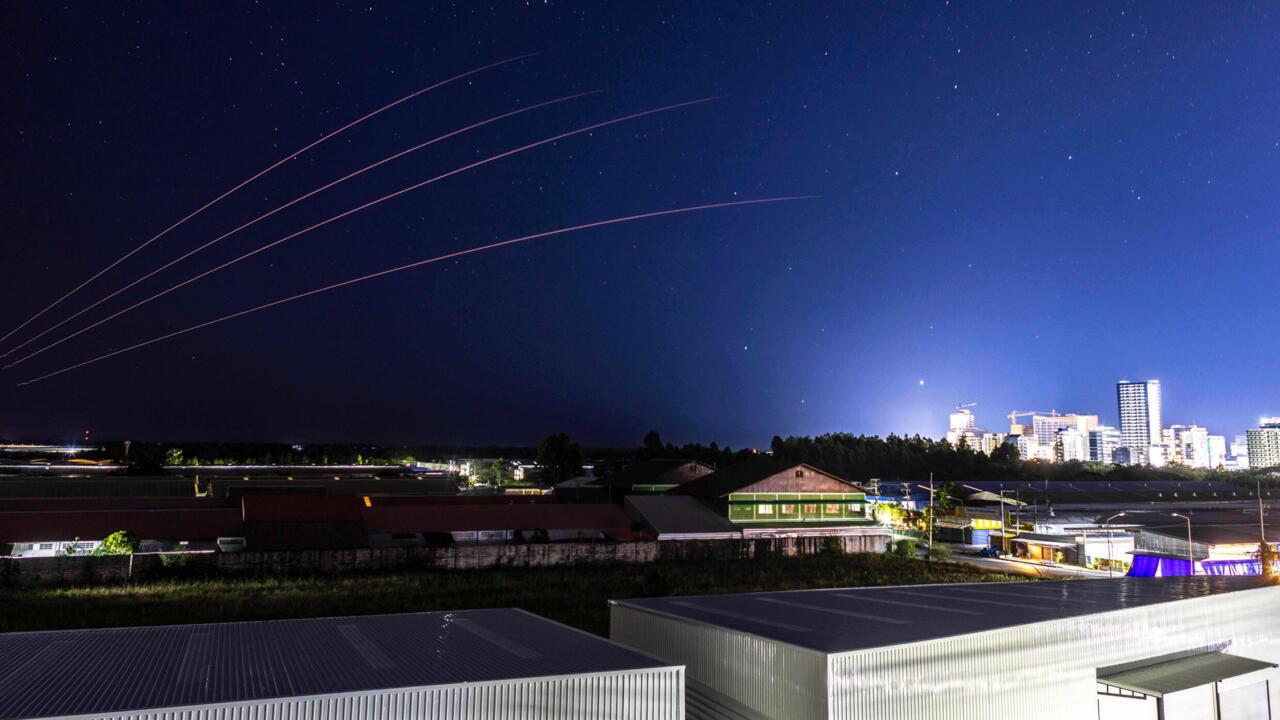
Thailand’s army on Dec. 28–29 accused Cambodia of breaching a newly signed ceasefire after detecting more than 250 unmanned aerial vehicles launched from Cambodian territory into Thailand late on Sunday night.
“Thailand's army said more than 250 drones launched from Cambodia flew into Thai territory on Sunday night, accusing Cambodia of violating a newly signed ceasefire reached after weeks of deadly border clashes. The Thai military called the incursion a provocation and inconsistent with a Joint Statement from a bilateral border committee meeting Saturday; both sides are discussing the incident through diplomatic channels.”
The military called the drone flights a provocation and a violation of measures agreed at a recent bilateral border meeting.
It said the incursion was inconsistent with the Joint Statement reached during ceasefire talks and that both sides were discussing the incident through diplomatic channels.
The allegation followed weeks of deadly border clashes that have killed dozens and displaced large numbers of civilians.
Ceasefire and drone allegations
The drone allegations came just days after the two sides agreed an "immediate" ceasefire on Dec. 27 during China-hosted talks aimed at halting reinforcements and freezing frontline positions so civilians could return home.
Multiple reports noted international diplomatic involvement, saying the truce was negotiated with backing from both China and the United States.
The Joint Statement included commitments on freezing troop movements and cooperating on demining and cybercrime.
The ceasefire was described in some reports as a breakthrough, even as questions linger about its durability following the drone incident.
Cambodia-Thailand drone incident
Cambodia’s official response, reported across outlets, downplayed the incident and called it a 'small issue,' with Foreign Minister Prak Sokhonn saying it would be investigated and resolved immediately. Phnom Penh told Thai counterparts that similar drone sightings had been seen on both sides, while Thailand’s military described the flights as a provocation and said the incursions were inconsistent with the joint measures. Both sides reportedly agreed to discuss and investigate the episode through diplomatic channels.
“Cambodian Foreign Minister Prak Sokhonn said the two sides discussed the incident and agreed to investigate and ‘resolve it immediately.’”
Thailand-Cambodia drone dispute
Thai officials warned the drone sightings could have concrete consequences. Bangkok called the activity a provocation and warned it might reconsider a previous decision to release 18 Cambodian soldiers detained since July if violations continued.
Observers and local outlets said the incident casts doubt on the durability of the truce and risks undermining the confidence-building measures agreed at the China-hosted talks. The Thai military framed the drone flights as inconsistent with the Joint Statement and pledged diplomatic engagement to resolve the dispute.
Conflict and media coverage
Weeks of deadly clashes have displaced large numbers of people. Many sources cite nearly or over one million displaced, and the fighting stems from a conflict with deep roots and earlier flare-ups this year.
“The accusations come after weeks of deadly clashes that have displaced nearly one million people; the dispute has deep historical roots and earlier flare-ups this year, including deadly fighting in May and the collapse of earlier truces.”
Coverage diverges in emphasis: some outlets foreground the humanitarian toll and displacement, others highlight diplomatic mediation and a fragile breakthrough, and a few note incomplete or missing reporting from certain outlets. Where information is ambiguous or incomplete — for example, Firstpost and News.Az snippets provided no substantive article text — reports caution that investigations and diplomatic exchanges are ongoing and that details remain to be clarified.
