Entertainment18 November, 20252 min read
Cambridge Dictionary Names 'Parasocial' As 2025 Word Of The Year
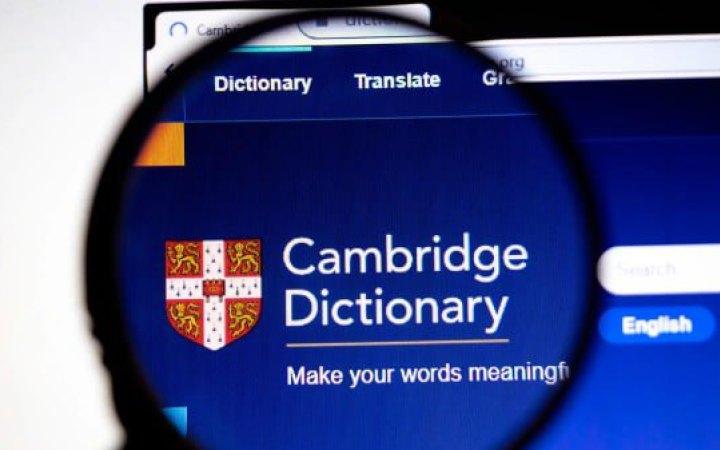
Cambridge Dictionary chose 'parasocial' as its Word of the Year for 2025 Term describes one-sided emotional connections to celebrities, influencers, fictional characters, or AI
24 outlets told this the same way.
Outlets did split on Chad Lowe and Kim Painter Mourn Daughter Fiona Hepler Lowe’s Death at 13 →
Surge in parasocial ties
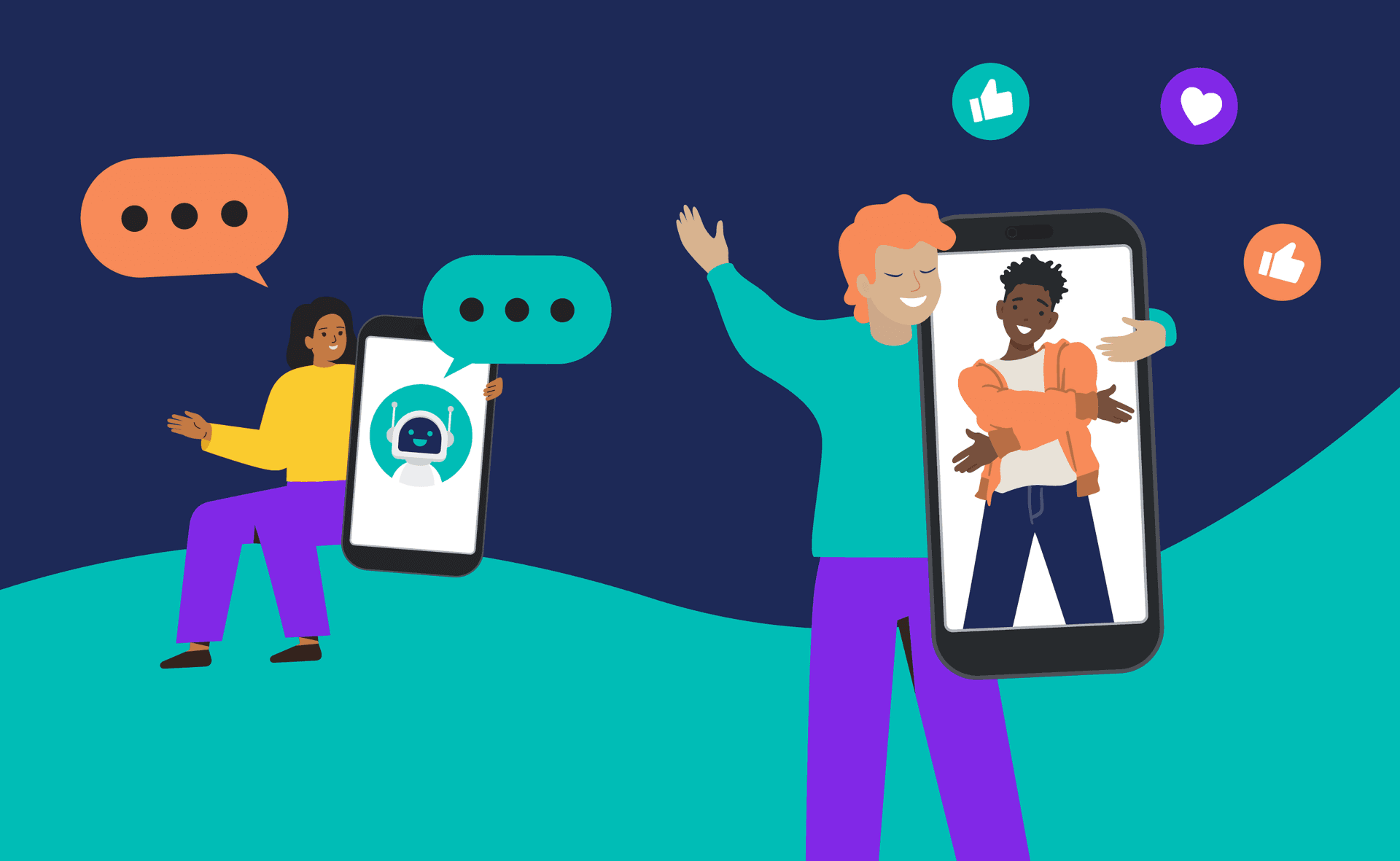
Cambridge Dictionary named 'parasocial' its 2025 Word of the Year, highlighting a sharp rise in public interest in the once-specialist term. The term describes a one-sided emotional connection to a celebrity, a fictional character, or even an AI chatbot. The concept dates back to 1956 when sociologists first described viewers’ quasi-relationships with on-screen personalities.
“Cambridge Dictionary has chosen ‘parasocial’ as its 2025 Word of the Year.”
Cambridge and other outlets say lookups and searches for the word jumped this year amid high-profile celebrity moments and viral online incidents. The dictionary’s announcement and reporting stress that parasocial ties now span influencers, performers and emerging AI companions.
AI and parasocial reach
Many reports and experts highlighted AI as a pivotal factor widening parasocial reach. Cambridge and regional outlets reported that chatbots and virtual companions prompted Cambridge to update definitions and spurred spikes in lookups. Psychologists warn that people, especially young people, can treat AI tools as friends or pseudo-therapists, creating powerful but one-sided attachments.
Journalistic coverage also linked the topic to regulatory and safety concerns. Investigative reporting and magazine features pointed to state attorneys-general warnings, Meta internal findings, and instances where AI services were tied to harm among young users.
Cambridge dictionary updates
Alongside the Word of the Year choice, coverage stressed Cambridge's wider vocabulary updates: the dictionary added thousands of new entries this cycle and highlighted internet-culture slang and AI-era vocabulary. Outlets catalogued additions and examples, from slang such as delulu, skibidi and tradwife to terms like slop for low-quality AI content and memeify, framing the selections as part of ongoing language evolution driven by social media and technology. The precise counts vary by outlet, but all note a multi-thousand-entry expansion this year.
Media coverage differences
Coverage and tone vary by source type. Tabloid and local outlets tend to present the selection tersely or as a gossip-adjacent hook tied to celebrity moments. Mainstream outlets and lexicographic reporting stress language trends and editorial criteria.
Regional and specialist outlets often highlight cultural or mental-health angles. Some publishers lack full text in the provided snippets, which limits what they contribute to the record.
Dictionary selection and impacts
Observers and Cambridge's editors framed the selection as reflecting a cultural moment. Lexicographer Colin McIntosh and other editors pointed to spikes in lookups and to the need for words that show staying power.
Psychologists and regional commentators warned that parasocial dynamics may reshape celebrity, trust, and youth mental health. The pick sits alongside other dictionaries' 2025 choices and wider discussions about how technology and fandom reshape language and behaviour.
