Africa01 December, 20252 min read
Cameroonian Soldiers Arrested Opposition Leader Anicet Ekane; He Died in State Custody Amid Alleged Denial of Medical Care
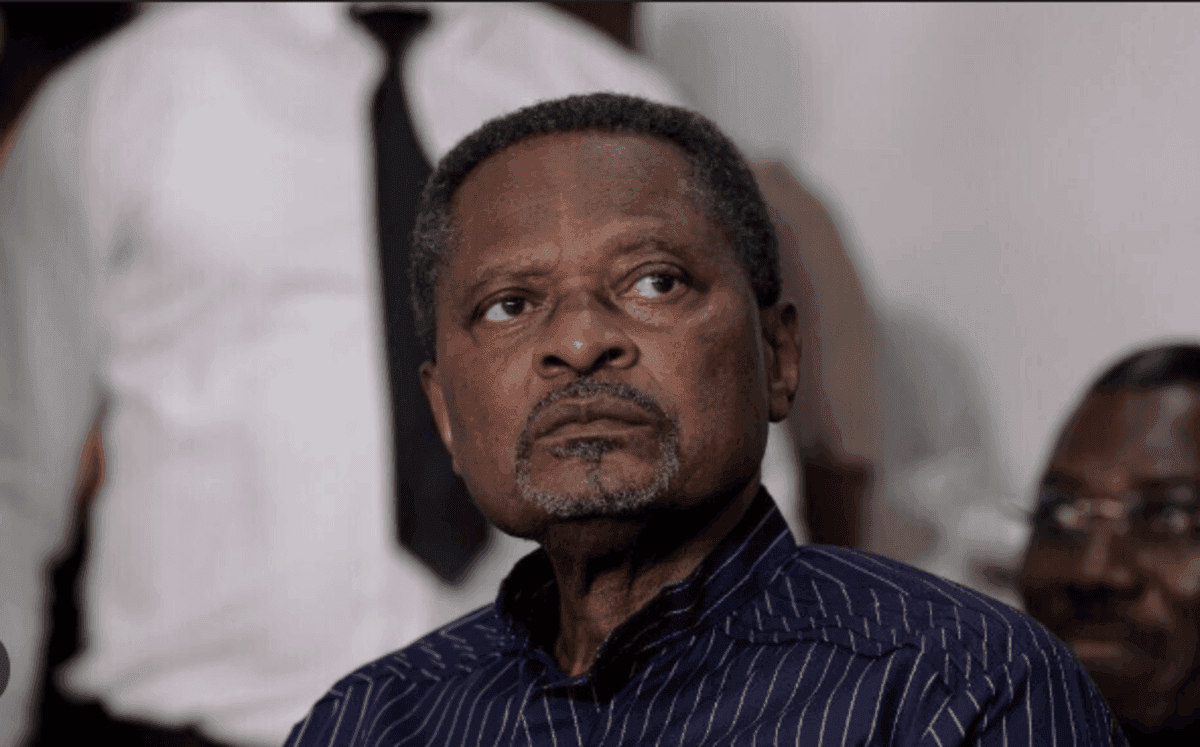
Authorities arrested Ekane in Douala on October 24 and transferred him to Yaoundé detention. Ekane, 74, died in state custody after weeks of detention.
12 outlets told this the same way.
Death of Anicet Ekane
Cameroonian opposition leader Anicet Ekane, 74, was arrested on Oct. 24 in Douala amid post-election unrest and transferred to the State Defence Secretariat (SED) in Yaoundé, where his health reportedly deteriorated before he died in state custody, according to his party, family and lawyers.
“Ekane, head of the African Movement for New Independence and Democracy, was arrested in late October with other party figures amid protests over alleged fraud in the presidential election and was being held on insurrection charges, lawyer Emmanuel Simh told The Associated Press.”
Multiple sources say the arrest occurred a day before official results confirmed President Paul Biya's re-election and that Ekane faced charges related to alleged insurrection or hostility against the state.

His detention, subsequent illness and death have prompted anger, questions about detention conditions, and demands for clarity from both national and international observers.
Alleged denial of care
Ekane’s party and lawyers say his health worsened while he was denied medical assistance. They allege repeated requests to transfer him to a hospital were ignored and that medical equipment found in his impounded vehicle, including an oxygen concentrator, was seized and left inaccessible. MANIDEM, family members and lawyers called the circumstances a programmed killing and accused authorities of negligence, noting he had difficulty breathing in custody.
Official account of death
Cameroon’s authorities provided a different, more circumspect account, saying Ekane died while being treated for a chronic illness at a military medical facility and that investigations were under way. Several outlets report that authorities have made a formal statement to that effect, while other reports note that government officials have not answered requests for further comment. The official framing emphasizes a medical cause and an ongoing investigation rather than the opposition’s allegations of intentional neglect.
“Authorities said Ekane died at the National Gendarmerie Military Medical Centre in Yaoundé while being treated for a chronic illness and that an investigation is under way; MANIDEM insists negligence ... amounted to a ‘programmed killing.’”
Ekane death sparks outcry
Ekane’s death has provoked political fallout and social media outcry, with opposition leaders, human rights advocates and Manidem supporters calling for investigations.
Regional outlets like Dawan Africa explicitly compare Ekane’s death to recent cases in the area, while local media report renewed calls for medical evacuations and greater scrutiny of detention conditions.
Ekane's Political Background
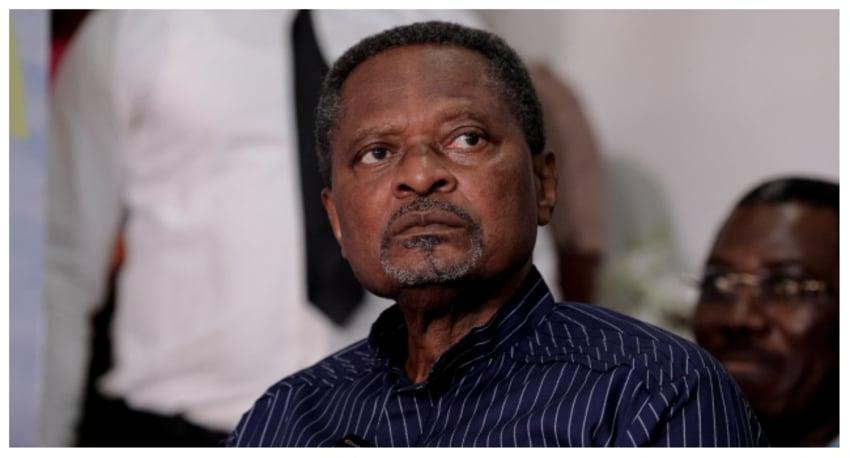
Ekane's political biography — long activism, founding MANIDEM in 1995, earlier arrests and presidential bids — is consistently noted across sources, underlining why his detention and death resonated widely. Outlets record his past convictions and later pardon. They also note his presidential runs in 2004 and 2011 and his public backing of Issa Tchiroma Bakary in the contested 2025 election, details that help explain MANIDEM’s description of the arrest as politically motivated.
“Ekane, a longtime politician who began with the UPC in 1973, founded the African Movement for the New Independence of Cameroon (Manidem) in 1995 and ran for president in 2004 and 2011; he had previously been arrested and convicted in a 1990 military trial before later being pardoned.”