Canada06 December, 20252 min read
Canada Delists Syria and Hay'at Tahrir al-Sham, Legitimizing Rebel Junta That Seized Damascus
Canada removed Syria from its list of state sponsors of terrorism Canada delisted Hay'at Tahrir al-Sham (HTS) as a terrorist entity

13 outlets told this the same way.
Canada's Syria policy change
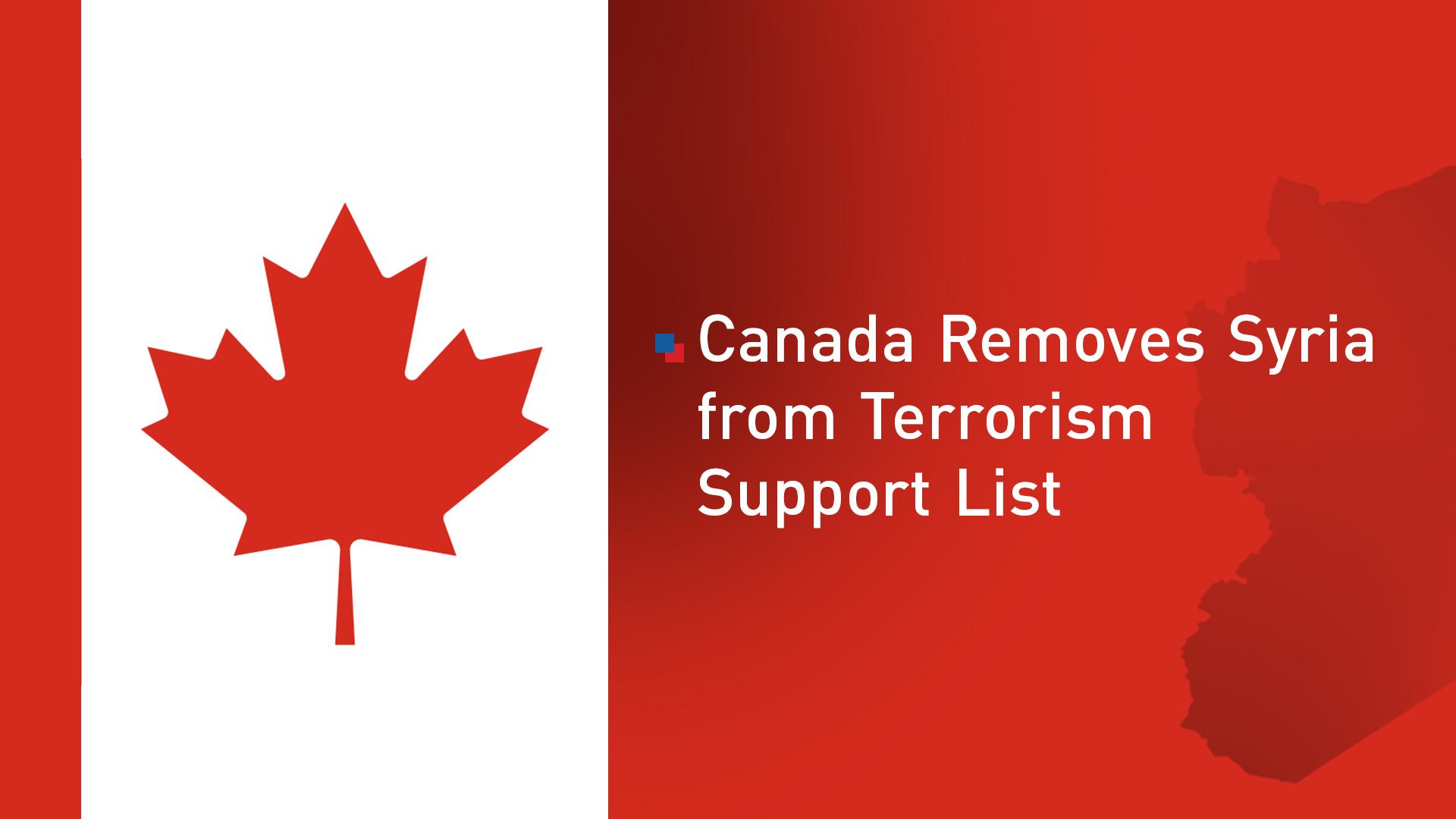
On Dec. 6, Canada announced it removed Syria from its list of state supporters of terrorism under the State Immunity Act and delisted Hay’at Tahrir al-Sham (HTS) from the Criminal Code’s list of terrorist entities.
“Canada announced on Dec. 6 that it has removed Syria from the list of states that support terrorism under the State Immunity Act and taken Hay’at Tahrir al-Sham (HTS) off the list of terrorist entities under the Criminal Code.”
Ottawa said the move mirrors recent decisions by allies and reflects steps by a Syrian transitional government to promote stability and a Syrian-led political transition.
The government framed the change as coordinated with partners and part of a cautious normalization, while stressing it will continue to monitor threats and emphasizing alignment with UK and US actions and a desire to support Syrian recovery and cooperation on security issues.
Western policy shift toward Syria
Reports across West Asian and international outlets place the Canadian decision in a broader recalibration. The US and UK have taken similar steps, and Western governments have engaged with the new Syrian interim authorities and their leader Ahmed al-Sharaa (formerly Abu Mohammed al-Julani). Al Jazeera notes that the US partially suspended sanctions, removed al-Sharaa from a terrorist designation, and extended that suspension after talks.
Al Jazeera also says al-Sharaa has publicly rebranded himself and the interim government and is seeking closer economic ties with the US and EU. Other sources add that the delistings coincided with an unprecedented visit to Syria by all 15 UN Security Council members. These sources portray the changes as part of a broader international reassessment after the overthrow of Bashar al-Assad.

Canada on Syrian delistings
Foreign Minister Anita Anand welcomed 'positive steps' toward a peaceful, Syrian-led transition and said the delistings reflect progress by Syrian transitional authorities. Public Safety Minister Gary Anandasangaree stressed Canada will continue to monitor threats from ISIS and al-Qaeda. Ottawa said the decision was coordinated with allies and that it retains sanctions on dozens of Syrian entities and individuals even as it removes the state-sponsor and HTS designations.
“Foreign Minister Anita Anand welcomed the progress toward an inclusive, peaceful future for Syrians, while Public Safety Minister Gary Anandasangaree said Canada will continue to monitor the situation and act against threats from ISIS and Al‑Qaeda.”
Reactions to delisting
Kurdish and regional outlets report Damascus welcomed Canada’s move as a realistic reassessment that will ease the harms of sanctions and enable cooperation on rebuilding. Some Western outlets portray the delisting as part of coordinated allied diplomacy aimed at stabilizing Syria.
Conversely, The New Region characterizes the change as legitimizing an armed HTS victory that 'seized Damascus' and produced a transitional government. That language underscores the political and moral stakes of the decision and differs markedly from more measured official statements.
Ambiguities in media coverage
Several important ambiguities and inconsistencies remain in the coverage.
“On 6 December 2025 Canada announced that it has removed Syria from its List of Foreign State Supporters of Terrorism under the State Immunity Act and delisted Hay'at Tahrir al-Sham (HTS) from the Criminal Code’s List of Terrorist Entities, the Foreign Ministry said.”
Sources differ on chronology and emphasis: LBCI gives the announcement date as 6 December 2025, The New Region details an offensive on Nov. 27, 2024 that it says ended Assad’s rule, and kurdistan24 situates the delisting about a year after an overthrow.
Outlets also vary in how much they note retained sanctions and security caveats.
There are differences in tone between regional outlets that portray pragmatic normalization and others that stress an HTS seizure of power.
These discrepancies mean readers should note the divergent narratives and that key facts, such as operational links, legal details, and precise timelines, are presented differently across sources.