Full Analysis Summary
Canada-Alberta energy deal
Canada has struck a high-profile deal with Alberta's provincial government that, according to the South China Morning Post, rolls back federal climate rules to encourage energy investment and greenlight a West Coast oil pipeline.
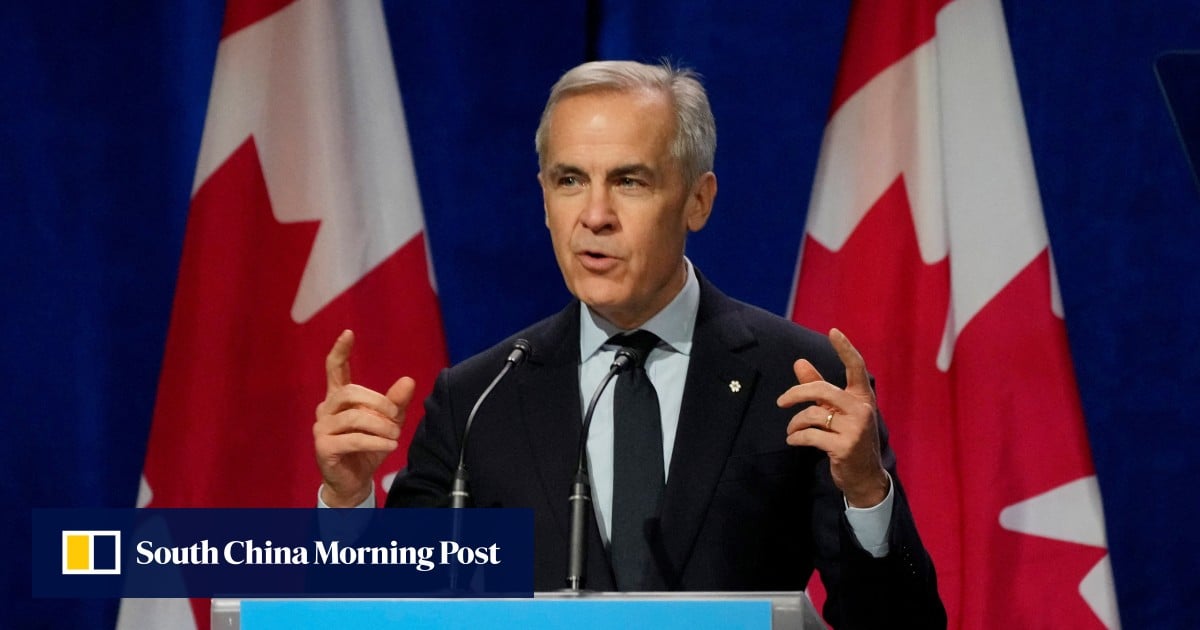
The SCMP reports that the country's prime minister, named in the article as Mark Carney, signed an agreement with Alberta's premier to roll back some federal climate rules to attract energy investment and encourage construction of a West Coast oil pipeline.
Coverage Differences
Missed information / Single-source limitation
Only the South China Morning Post (Asian) is available for this briefing. Because no other sources are provided, I cannot directly compare how Western mainstream, Western alternative, or regional outlets frame the deal. The SCMP frames the move primarily as a deal to "roll back some federal climate rules" to spur investment and pipeline construction, but without other sources I cannot identify contrasts in tone, emphasis, or quoted criticisms from environmental groups, Indigenous leaders, or industry representatives.
Federal-provincial climate deal
SCMP outlines concrete regulatory concessions.
The federal government will abandon a planned emissions cap on the oil-and-gas sector and drop clean-electricity rules.
Alberta will strengthen industrial carbon pricing and support a carbon capture and storage project.
The article frames these measures as reciprocal tradeoffs: federal rule rollbacks in exchange for provincial commitments on pricing and carbon-capture support.
Coverage Differences
Missed information / Single-source limitation
Because the only source is the SCMP, I cannot show how other outlets characterize these specific policy changes (e.g., whether other sources call them deregulatory rollbacks, pragmatic compromises, or inadequate). The SCMP lists the concrete items: abandoning an emissions cap, dropping clean‑electricity rules, and Alberta strengthening industrial carbon pricing and backing carbon capture.
Canada oil diversification strategy
The South China Morning Post places the agreement in an economic and geopolitical context, noting that Ottawa seeks to blunt the effects of U.S. tariffs and diversify oil exports away from a U.S. market that currently takes roughly 90% of Canada's oil.
The prime minister warned that U.S. tariffs could cost Canada about US$50 billion and argued that projects like the pipeline would spur growth and reduce U.S. reliance.
Coverage Differences
Narrative / Tone (limited to SCMP)
With only the SCMP available, the dominant narrative is economic security—protecting Canada from U.S. tariffs and diversifying export markets. I cannot contrast this with possible environmental or human-rights-focused narratives other outlets might use. The SCMP explicitly notes the tariff risk and the 90% export reliance on the U.S.
Climate policy trade-off
SCMP highlights how the prime minister balanced easing environmental restrictions with reaffirming long-term climate goals.
The article says the leader has eased some environmental restrictions set by his predecessor but restated a commitment to net-zero emissions by 2050.
That framing presents the deal as a political compromise, with short-term regulatory flexibility paired with a reaffirmation of a 2050 net-zero target.
Coverage Differences
Tone / Emphasis (single-source)
Within the SCMP account, the tone is explanatory and situates the rollback as part of a compromise approach: regulatory easing now, plus a restated long-term climate commitment. Without other sources, I cannot show whether other outlets treat the net‑zero reiteration as sincere, symbolic, or insufficient.
Missing stakeholder reactions
What’s missing from the SCMP summary — and therefore from this multi-paragraph briefing — is direct reporting of reactions from Indigenous communities, environmental organizations, opposition politicians, and industry groups; those voices would normally shape how different outlet types frame the story.
The SCMP’s focus is on the tradeoffs and economic rationale, but the absence of named critics or supporters in the excerpt leaves key questions unanswered about legal, social, and environmental implications.
Coverage Differences
Missed information / Omission
The SCMP excerpt does not include quotes from Indigenous leaders, environmental NGOs, opposition parties, or oil-industry spokespeople. Because no other sources were provided, I cannot present alternative framings or reactions from those stakeholders; the only verifiable material is SCMP’s description of the deal and its stated reasons.