
Canada’s Military Recruitment Hits 30-Year High After Mark Carney’s 2% Nato Push
Key Takeaways
- Canada's army recruitment reached its highest level in 30 years.
- Two years ago recruitment was dire; warnings of a 'death spiral'.
- Surge described as potentially reversing a long-standing chronic personnel shortage.
Recruitment Surge Explained
Canada’s military recruitment has surged to its highest level in 30 years, reversing a chronic personnel shortage after two years in which recruitment was described as so dire that former defence minister warned the armed forces were in a "death spiral".
“- Published For decades, Canada was seen as a global laggard in defence funding, and just two years ago, recruitment was so dire that a former defence minister warned the armed forces were in a "death spiral"”
The BBC links the change to a mix of geopolitical uncertainty and Canada’s new defence funding, noting that in March Prime Minister Mark Carney announced Canada had achieved the Nato target of spending 2% of its GDP on defence for the first time since the late 1980s.
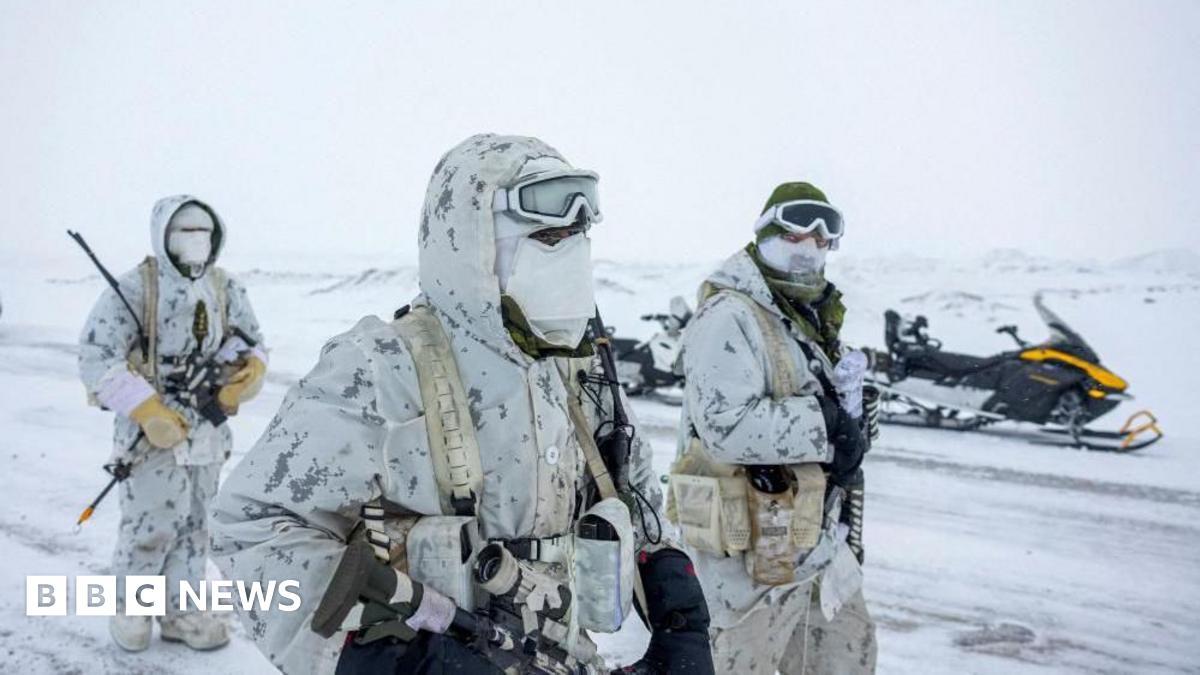
The BBC also says the recruitment boost coincided with US President Donald Trump referring to Canada as the "51st state", a remark that many viewed as a threat to Canada’s sovereignty from its closest neighbour.
Firstpost adds that this recruitment rise comes as Canada commits billions in new military funding after years of falling short of Nato obligations, and it ties the shift to strained relations between Prime Minister Mark Carney and the White House led by Donald Trump.
Firstpost further reports that in late April the Canadian military enrolled more than 7,000 new members in the last fiscal year, its highest number of recruits in three decades.
Voices on Causes
Charlotte Duval-Lantoine, a fellow at the Canadian Global Affairs Institute, told the BBC that while there may be a "Trump effect" behind the recent rise in enlistment, military applications had already begun spiking in 2022, around the time of Russia's invasion of Ukraine.
Duval-Lantoine said, "When people see that the world is not as safe, that their country might be at risk… we tend to see people join the military," framing enlistment as a response to perceived risk.
The BBC also quotes Richard Shimooka, a senior fellow at the Macdonald-Laurier Institute, arguing that even with new recruits, Canada’s forces still lag and that it may take "five or 10 years" before funding translates into improvements.
Shimooka said the Canadian Armed Forces currently have the capacity to deploy only a few thousand soldiers at a time, along with a limited number of fighter jets, and he contrasted that with the UK’s ability to deploy 10,000 troops if necessary.
The BBC adds that last year Trump singled out Canada as one of Nato’s "low-payers" in June, telling reporters: "Canada says, 'Why should we pay when the United States will protect us for free?'"
Funding, Targets, and Limits
Canada’s defence spending targets are central to the recruitment momentum, with the BBC reporting that Carney joined the Nato pledge to spend up to 5% of GDP on defence by 2035.
“A Year of Trump: ICE, the enforcement arm of the migration crusade”
The BBC says Canada reached the 2% milestone by increasing salaries and pledging to buy new equipment, upgrade existing bases, and build new infrastructure in the Arctic, while also cautioning that analysts expect delays before improvements arrive.
Firstpost reports that the recruitment rise is also tied to Canada’s high youth unemployment rate, which it says hovered at nearly 14% in March, alongside job security and higher wages after Carney announced the largest pay increase for military personnel in a generation.
The BBC adds that David McGuinty, Canada’s defence minister, said he believes Canada could reach its recruitment goals earlier than projected, and it notes that attrition has declined slightly after being described as causing "a death spiral" by Bill Blair in 2024.
Still, the BBC frames constraints on near-term capability by citing Shimooka’s view that Canada’s historic overreliance on the US has left the Canadian Armed Forces at a "very low point" and that it may take years to see a real upswing.
More on Canada

Montreal Shooting Kills Police Officer, Civilian, and Suspect in Côte-des-Neiges
44 sources compared

Harshita Nair And Mahial Sran Die After Being Swept Into Ocean Near Yellow Bank Beach
14 sources compared

Justin Trudeau Defends Skipping Canada World Cup Opener To Watch U.S. Vs Paraguay
17 sources compared

PSNI Charges 30-Year-Old Sudanese Man With Attempted Murder in North Belfast Knife Attack
15 sources compared