Gaza Genocide03 November, 20252 min read
Canadian-Israeli Billionaire Sylvan Adams Donates $100 Million to Rebuild Israeli Hospital Destroyed by Iranian Missile Attack
This article is an automated aggregation of coverage from news outlets. Our editorials offer in-depth analysis curated by the NewsCord team.
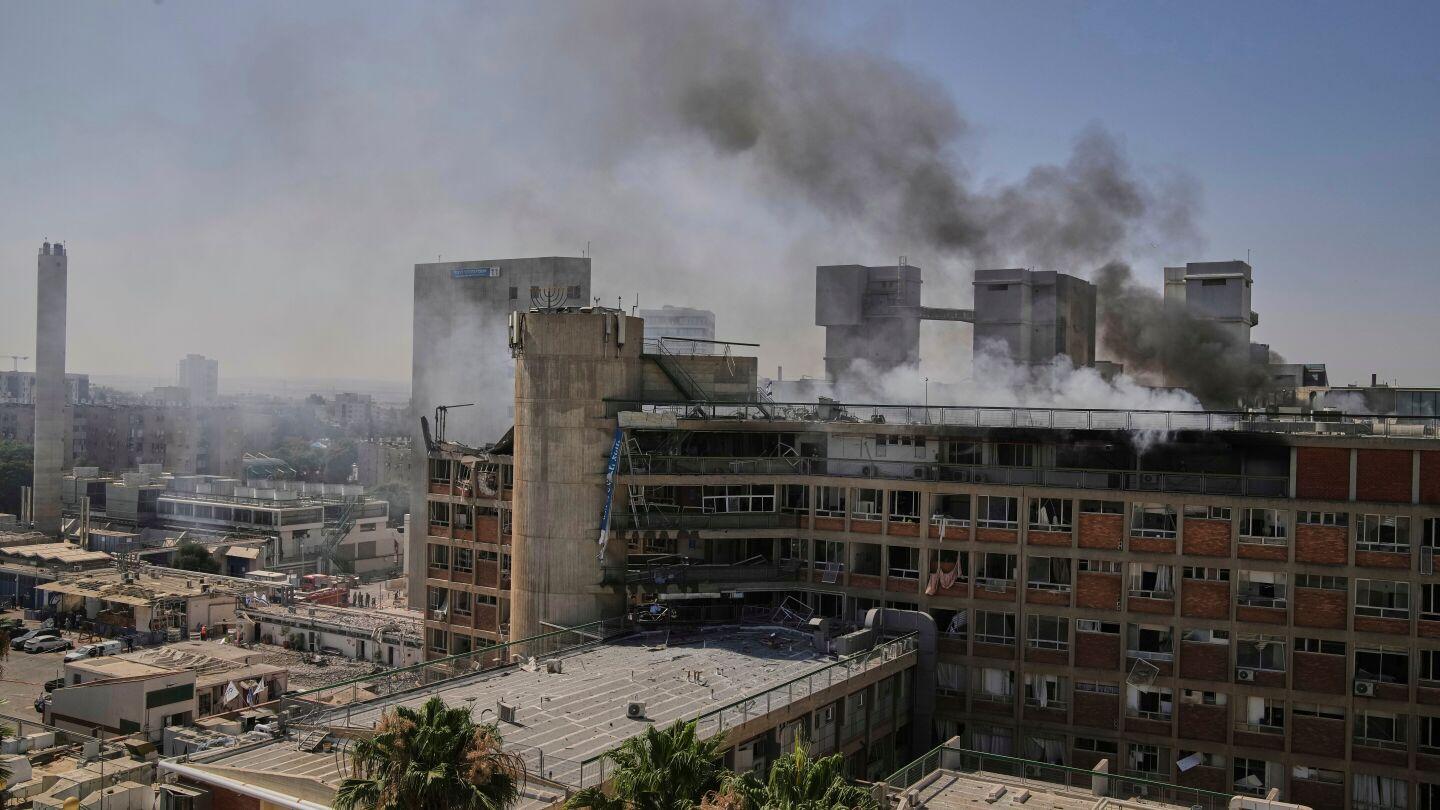
Sylvan Adams donated $100 million to rebuild Soroka University Medical Center. Soroka hospital in Beersheba was heavily damaged by an Iranian missile strike in June 2025.
6 outlets told this the same way.
Outlets did split on Thousands March in London Calling for Britain to Stop Arming Israel and Impose Sanctions →
Funding for Hospital Reconstruction
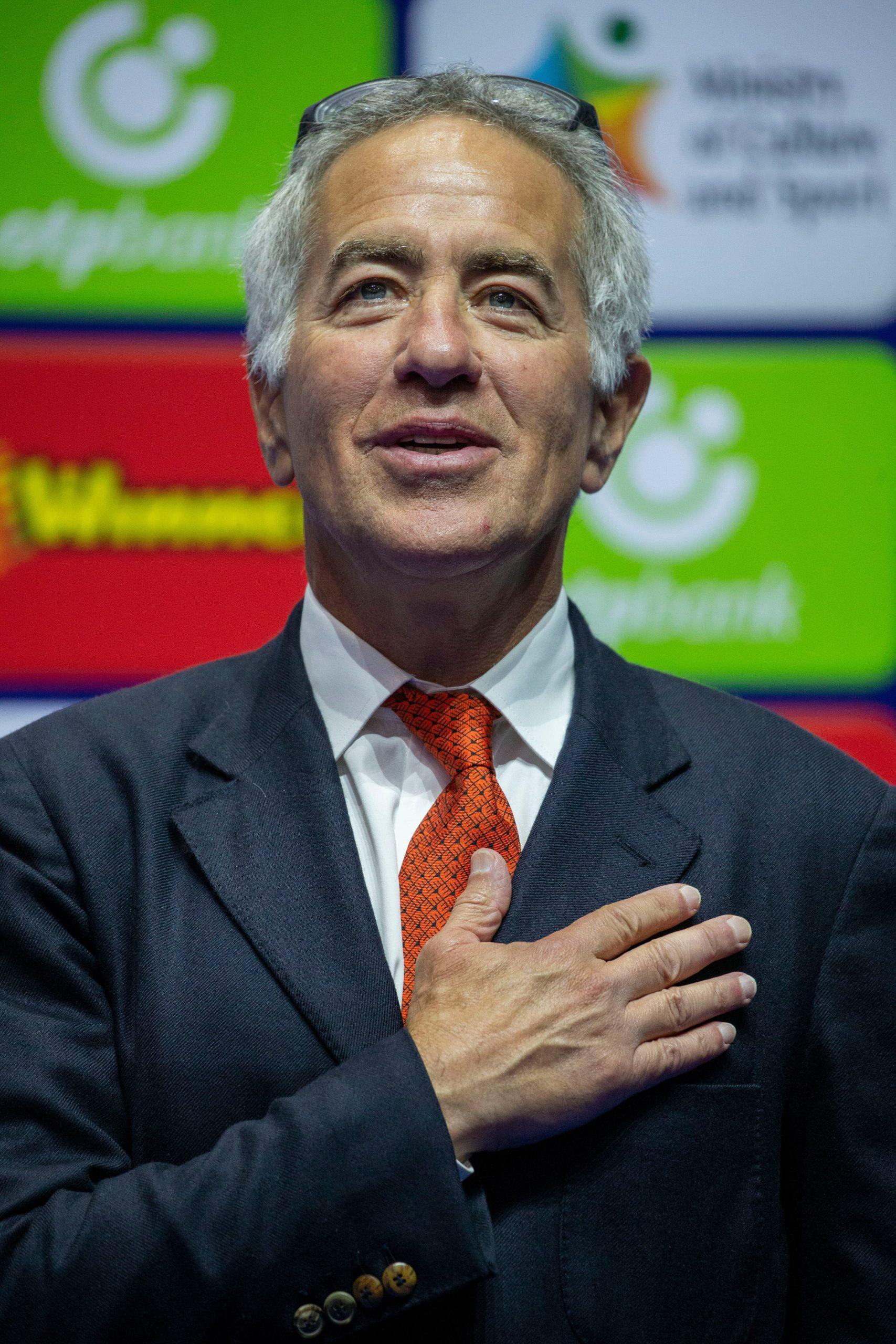
Canadian-Israeli billionaire Sylvan Adams pledged $100 million to rebuild Soroka University Medical Center in Beersheba after an Iranian missile strike in June during a 12-day conflict between Israel and Iran. The pledge was announced during an Israeli Cabinet meeting and forms a core piece of a 1 billion shekel (about $300 million) plan to strengthen healthcare in southern Israel.
“Canadian-Israeli billionaire Sylvan Adams has pledged $100 million to rebuild the Soroka University Medical Center in Beersheba, Israel, which was heavily damaged by an Iranian missile strike in June during a 12-day conflict.”
The costs will be shared equally among Adams, the Israeli government, and Clalit Health Services. Adams says the hospital will be rebuilt bigger, more advanced, and state-of-the-art, aiming to be among the most advanced in the Middle East.
Soroka Hospital Reconstruction Plans
Reconstruction plans go beyond repairing damage. Reporting describes a new fortified tower and a comprehensive rebuild designed for top-tier care and protection against future attacks.
Adams and officials intend the rebuilt Soroka to be state-of-the-art and, as one source puts it, among the most advanced in the Middle East. The project is not just a replacement but an upgrade in capability and resilience.
Healthcare Funding in Southern Israel
The financial structure of the initiative is clear and evenly divided. All three main contributors will equally fund the 1 billion shekel (about $300 million) project. These contributors are Adams, the Israeli government, and Clalit Health Services.
“This donation is part of a larger $300 million (1 billion shekel) initiative to enhance healthcare in southern Israel, with costs shared equally between Adams, the Israeli government, and Clalit Health Services.”
The plan is consistently described as a healthcare upgrade for southern Israel. This upgrade is anchored by Adams’ $100 million commitment. The effort is coordinated with the government and Clalit to speed up delivery and improve resilience.
Adams' Public Profile and Controversy
Adams’ public profile and recent sports-related controversy appear differently across various media outlets. Local and specialized outlets report that he stepped back from active involvement with the Israel Premier Tech cycling team amid protests related to the conflict in Gaza and the team’s rebranding and race exclusion.
This context connects his philanthropic efforts to a wider public role spanning sports, medicine, and education. Meanwhile, the Associated Press concentrates primarily on the hospital project itself.
Details on Iranian Missile Strike
Coverage specifics vary on the strike details and geographic framing. All outlets say an Iranian missile strike during a 12-day confrontation wrecked the hospital. SSBCrack gives the exact date (June 19) and places Soroka in the Negev.
“Soroka Medical Center in southern Israel’s Negev desert was severely damaged by an Iranian missile strike on June 19 during a 12-day conflict with Iran.”
AP and Niagara say "in June" and center Beersheba. Multiple outlets also note the Israeli Cabinet announcement. Taken together, the reporting converges on the core facts but differs in precision and context depth.
