Full Analysis Summary
Canada–Mexico travel surge
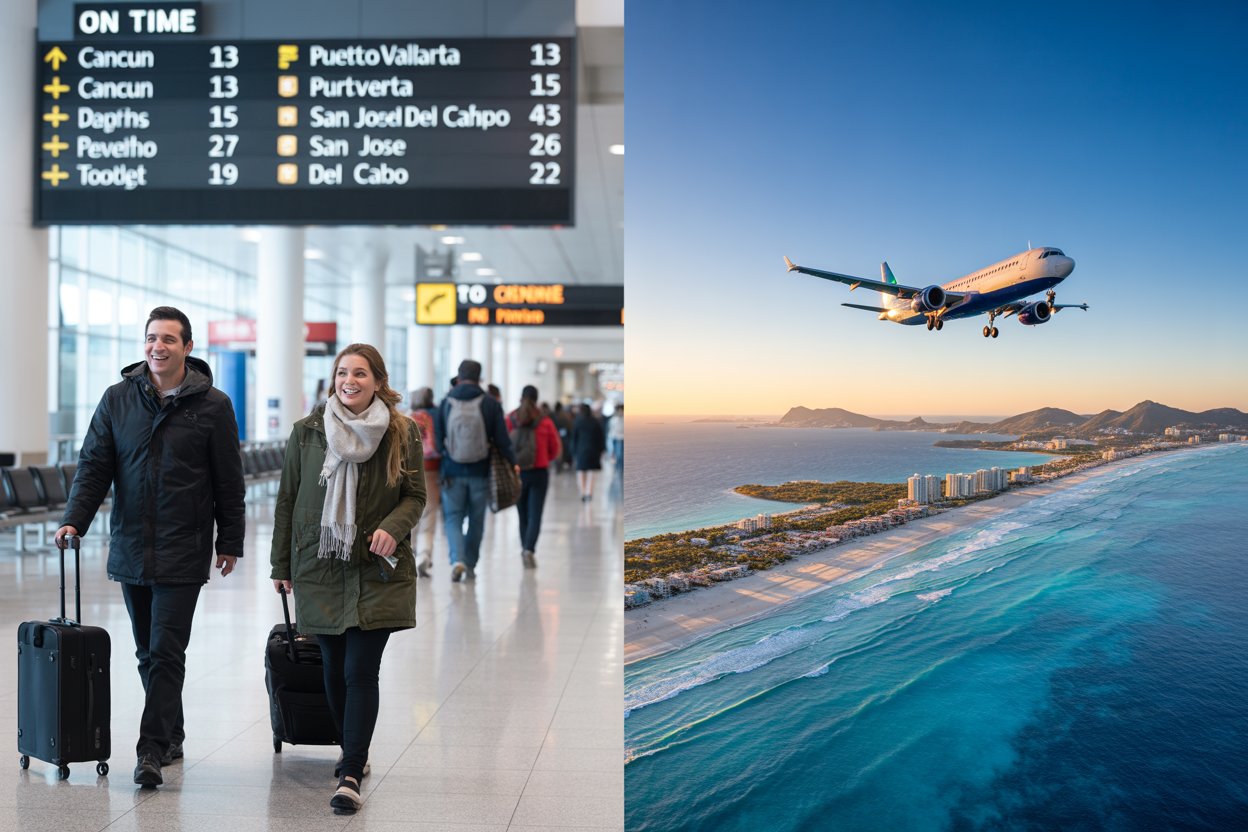
Canada–Mexico air travel surged in the first half of 2025 as Canadians increasingly chose Mexico over the United States.
Overall Canada–Mexico air traffic rose more than 20% and carried about 3.7 million passengers in six months.
Toronto–Mexican Caribbean flights jumped 26.1% and Montreal–Cancún routes rose 24%, driving record bookings and prompting airlines to reallocate capacity to meet demand.
The Travel And Tour World piece presents this as a clear, measurable shift in travel patterns heading into 2026.
Coverage Differences
Missed Information
Only Travel And Tour World is available among the sources provided, so cross-source contrasts are not possible. Because no other source_type (e.g., Western Mainstream, Western Alternative, West Asian) was supplied, I cannot show how other outlets frame or contradict these figures; the absence of other sources is itself a material gap in coverage.
Airline route shifts
Airlines responded to the Canadian migration to Mexico by shifting capacity southward.
The Travel And Tour World report cites declines on some U.S.–Mexico city pairs: Dallas–Cancún -4.5%, Chicago -11.7% and Atlanta -2%.
Carriers are rebalancing networks to capture rising demand from Canada and the Mexican Caribbean.
Coverage Differences
Missed Information
Because only Travel And Tour World is provided, I cannot compare how other outlets portray airline strategy, capacity shifts, or U.S. route performance. The available source frames the story around capacity reallocation and cooling U.S. routes; other potential angles (e.g., airline financial results, regulator commentary) are not present in the provided material.
Mexico tourism pitch
Mexico’s tourism pitch emphasizes safety, sustainability, culture and competitive pricing, and the account also highlights investments in regional infrastructure.
The source reports Mexico has developed sustainable tourism routes such as Tulum and modernized regional airports such as Puerto Escondido to create a welcoming visitor experience that appeals to Canadian travelers.
Coverage Differences
Unique Coverage
Within the single available source, Travel And Tour World emphasizes Mexico’s active marketing, sustainability initiatives and airport modernization as pull factors. Without other sources, I cannot show whether other outlets give more weight to safety concerns, crime, or political narratives — only that this source foregrounds marketing and infrastructure improvements.
Canadian travel shift to Mexico
The report links the Mexican tourism surge to clear economic benefits, including record hotel bookings, job creation and growth for local economies.
Some major hotel chains report Canadians as the top international visitors to parts of Mexico's Caribbean coast.
The report also identifies push factors on the Canadian side, including aviation disruptions from labor disputes and winter weather, plus political friction with the U.S. described as the 'Trump Effect'.
It cites a Flight Centre-commissioned YouGov poll in which 62% of Canadians say they are less likely to visit the U.S. in 2026.
Coverage Differences
Tone
Travel And Tour World frames the story positively for Mexico’s economy and emphasizes measurable benefits and traveler preferences; without other sources, I cannot show if other outlets adopt a more critical or geopolitical tone about the 'Trump Effect' or emphasize different social impacts.
Canada-to-Mexico travel trend
Travel And Tour World concludes the Canada-to-Mexico trend shows no sign of reversing into 2026, with airlines and Mexico both positioning to consolidate gains.
Only this source was provided, so the broader media ecosystem’s perspectives, potential criticisms, or alternative explanations are absent and that gap should be noted when drawing broader conclusions.
Coverage Differences
Missed Information
The single-source dataset means I cannot contrast Travel And Tour World’s optimistic outlook with skeptical takes, regulatory responses, or traveler-sentiment studies from other outlets. That absence is itself a difference in coverage that limits how confidently one can generalize beyond the article’s claims.